WikiFX report: Redimax Capital Falsely Claims to be Regulated by the DFSA
Abstract:The Dubai Financial Services Authority (DFSA) is warning the financial services community and the general public about Redimax Capital's misleading statements (also known as REDIMAX CAPITAL or RediMax). On its website, Redimax Capital falsely claims to be a DFSA-regulated broker and provides a DFSA registration number, implying that it is licensed to provide "registered financial services in Dubai."

The Dubai Financial Services Authority (DFSA) alerts the financial services community and members of the public to false claims made by Redimax Capital (also known as REDIMAX CAPITAL or RediMax).
Redimax Capital falsely claims on its website that it is a DFSA regulated broker and gives a DFSA registration number suggesting it is authorised to provide “registered financial services in Dubai”.
In fact, Redimax Capital is not, and has never been, authorised or regulated by the DFSA. Redimax Capital does not hold a commercial licence from the DIFC Registrar of Companies to operate a business in or from the DIFC, and it appears that it has no office located in the DIFC. Further, the registration number is for a legitimate DFSA Authorised Firm that has no connection to Redimax Capital.
The DFSA advises that:
• The Scammers have used the name of the DFSA without authority; and
• Redimax Capital is not authorised or regulated by the DFSA.
The DFSA has a page on its website dedicated to Alerts in relation to scams, including scams which misuse the name of the DFSA and/or the DIFC. All Alerts issued by the DFSA may be accessed by going to ALERTS
The DFSA has also issued warnings and guidance about the common types of scams, including Advance Fee scams, perpetrated on consumers. For more information on these scams please go to: HOW TO AVOID BEING SCAMMED
If you have any concerns about the authenticity of any correspondence or documents that purport to be issued by the Dubai International Financial Centre (DIFC), DFSA or a DFSA regulated Firm, you should direct your concerns to the DIFC on Tel:+971 4 362 2222 and to the DFSA via the DFSA Complaints function on: COMPLAINTS

Read more
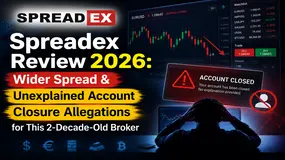
Spreadex Review: Wider Spread & Unexplained Account Closure Allegations for This 2-Decade-Old Broker
Did you incur trading losses on the Spreadex platform due to wider spreads? Have you experienced delays in trade processing by the United Kingdom-based forex broker? Has your Spreadex trading account been closed without any explanation? You are not alone! Many traders have expressed concerns on online broker review platforms. In this Spreadex review 2026, we have covered user allegations and provided a regulatory framework the broker operates under.
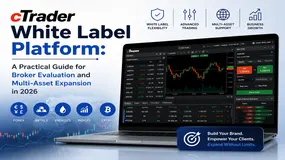
cTrader White Label Platform: A Practical Guide for Broker Evaluation and Multi-Asset Expansion in 2
A broker can launch a white-label platform quickly and still fail the first serious operating test. The failure often begins quietly: an assets expansion has been approved, the client app is branded, and a new account journey looks complete. Then a client asks why a trade-related status, funding hand-off, or account restriction looks different across channels. Support cannot see the same reference trail as operations. The product owns the screen, but no one owns the explanation. The issue is not a missing feature. It is an untested operating model. That is why a cTrader white label platform should be evaluated as a route to a multi-asset service - not as a shortcut to a more attractive terminal. The central question is whether the broker can add instruments, client channels, integrations, and service capacity without making its controls harder to operate or explain.
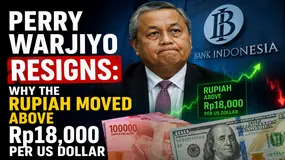
Perry Warjiyo Resigns: Why the Rupiah Moved Above Rp18,000 per US Dollar
Perry Warjiyo resigned as Bank Indonesia governor, Destry Damayanti became acting governor, and the rupiah traded above Rp18,000. Here is what forex traders should monitor next.
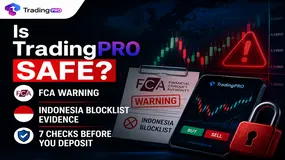
Is TradingPRO Safe? FCA Warning, Indonesia Blocklist Evidence, and 7 Checks Before You Deposit
This Trading Pro broker review checks the FCA warning, Indonesia blocklist evidence, licence claims, and what South Asian users should verify before depositing.
WikiFX Broker
Latest News
OtetMarkets Review: Traders Report Frozen Funds and Withdrawal Blocks , Score Sits at 2.00
 WikiFX
Is Octa Safe for Malaysian Traders? Deep Dive into Octa's Regulatory Status
WikiFXPocket Broker Review: Is Your Deposit Safe?
WikiFXReview 2026: Dollars Markets Regulation, Withdrawal Complaints, and Platform Risks
WikiFXCapital Guard Liquidated: $17.4m Raised, Most Funds Gone
WikiFXWhy the Dollar Moves Almost Every Forex Pair
WikiFXBX Trade Review: Is This Unregulated Broker Worth the Risk?
WikiFXSTMARKET Review: Withdrawal Complaints Cloud a Low-Rated Broker, What to Know Before You Deposit
WikiFXDeriv Review: What Traders Should Know Before Depositing
WikiFXDollar Steadies as Rupee Finds Market Support
WikiFXRate Calc

