SNOW-TRADE
Abstract:SNOW-TRADE, based in China, is an online trading platform providing financial instruments to traders. Offering account types such as Presidential, Executive, Platinum, Premium, and Green accounts, traders can access tradable assets. However, it's crucial to recognize that SNOW-TRADE operates without regulatory oversight, emphasizing the importance of caution due to potential risks associated with unregulated trading.
| SNOW-TRADE | Basic Information |
| Company Name | SNOW-TRADE |
| Headquarters | China |
| Regulations | Not regulated |
| Account Types | Presidential, executive, platinum, premium, green account |
| Minimum Deposit | €5,000 |
| Maximum Leverage | 1:200 |
| Spreads | Variable |
Overview of SNOW-TRADE
Situated in China, SNOW-TRADE serves as an online trading platform, furnishing traders with diverse financial instruments. Through account options like Presidential, Executive, Platinum, Premium, and Green accounts, traders gain access to tradable assets. Nevertheless, it's paramount to acknowledge that SNOW-TRADE functions without regulatory oversight, underscoring the necessity for caution regarding potential risks inherent in unregulated trading environments.

Is SNOW-TRADE Legit?
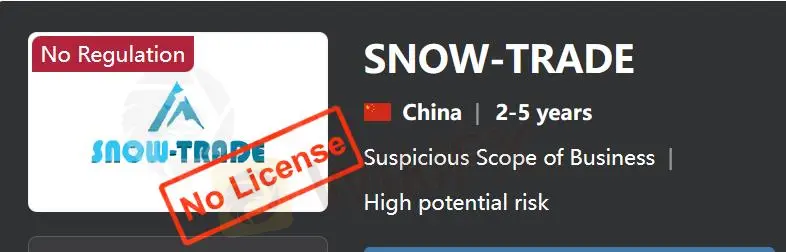
SNOW-TRADE is not regulated. It's crucial to emphasize that this brokerage lacks valid regulation, implying that it operates without supervision from established financial regulatory bodies. Traders must proceed with caution and acknowledge the inherent risks of trading with an unregulated broker like SNOW-TRADE. These risks include limited avenues for resolving disputes, potential concerns regarding fund security, and a lack of transparency in the broker's operations. It's prudent for traders to conduct thorough research and assess the regulatory standing of a broker before engaging in trading activities to safeguard their interests and ensure a more secure trading environment.
Pros and Cons
SNOW-TRADE offers a range of account types, catering to different trading preferences and experience levels, providing traders with flexibility in choosing their preferred trading environment. However, the absence of regulatory oversight poses significant risks, potentially exposing traders to unregulated trading conditions. Additionally, the platform offers flexibility with variable spreads, allowing traders to adapt to changing market conditions. However, the lack of adequate customer support options may hinder traders from resolving issues promptly and efficiently. Moreover, the platform's lack of transparency regarding company policies and procedures raises concerns about accountability and trustworthiness. Lastly, the inability to access the website can disrupt trading activities and hinder traders' ability to manage their accounts effectively.
| Pros | Cons |
|
|
|
|
|
|
|
Account Types
SNOW-TRADE offers a range of account types to suit different traders' needs and investment levels. The Presidential Account requires a €250,000 minimum deposit, while the Executive Account demands €100,000. For those with €50,000, there's the Platinum Account, while the Premium Account requires €15,000. Lastly, the Green Account, an entry-level option, needs a minimum deposit of €5,000.
| Account Type | Minimum Deposit | Maximum Leverage | Spreads |
| Presidential Account | €250,000 | 0.5 – 1 pip | |
| Executive Account | €100,000 | 1:200 | 1 – 1.5 pips |
| Platinum Account | €50,000 | 1:200 | 1.5 – 2 pips |
| Premium Account | €15,000 | 1:200 | 2 – 2.5 pips |
| Green Account | €5,000 | 1:200 | 2.5 – 3 pips |
Leverage
In SNOW-TRADE, the Executive, Platinum, Premium, and Green accounts all offer a maximum leverage of 1:200.

Spreads
In SNOW-TRADE, spreads vary based on the account type. The Presidential Account offers the tightest spreads, ranging from 0.5 to 1 pip. The Executive Account features spreads of 1 to 1.5 pips, followed by the Platinum Account with spreads of 1.5 to 2 pips. For the Premium Account, spreads widen to 2 to 2.5 pips, and the Green Account has the widest spreads, ranging from 2.5 to 3 pips.
Conclusion
In summary, SNOW-TRADE offers traders a variety of account types, providing flexibility in their trading choices. However, the absence of regulatory oversight poses significant risks, exposing traders to unregulated conditions. While the platform offers variable spreads for market adaptability, limited customer support options and a lack of transparency in company policies may present challenges. Traders should proceed with caution, conducting thorough research to mitigate risks and ensure a safer trading experience.
FAQs
Q: Is SNOW-TRADE regulated?
A: No, SNOW-TRADE operates without regulation, which means it lacks oversight from recognized financial regulatory authorities.
Q: What account types does SNOW-TRADE offer?
A: SNOW-TRADE provides various account types, including Presidential, Executive, Platinum, Premium, and Green accounts, catering to different trading preferences and experience levels.
Q: What is the maximum leverage offered by SNOW-TRADE?
A: SNOW-TRADE offers a maximum leverage of 1:200.
Risk Warning
Trading online carries inherent risks, and there's a possibility of losing your entire invested capital. It's essential to understand these risks fully and note that the information provided here may change due to updates in the company's services and policies. Additionally, the review's generation date is crucial, as information may have evolved since then. Therefore, it's recommended that readers verify updated information directly with the company before making any decisions or taking action. The responsibility for using the information provided here lies solely with the reader.

Read more
XM Review 2026 for India: RBI Alert, Regulation, Login and Forex Risk
The RBI Alert List, updated on 19 November 2025, names XM and www.xm.com at row 33. RBI says listed entities are not authorised to deal in forex under FEMA or operate an authorised forex ETP in India. XM also publishes overseas licence and risk information. These facts must stay separate. An overseas licence does not create RBI authorisation for an Indian resident.
eToro Review 2026 for India: RBI Alert, Regulation, Login and Forex Risk
The RBI Alert List, updated on 19 November 2025, names eToro and www.etoro.com at row 5. RBI says listed entities are not authorised to deal in forex under FEMA or operate an authorised forex ETP in India. eToro also lists regulated companies in the UK, Europe, Australia, and other markets. Those overseas licences are entity-specific. They do not create RBI authorisation.
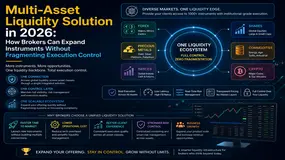
Multi-Asset Liquidity Solution in 2026: Expand Instruments Without Fragmenting Execution
A multi-asset liquidity solution can help a broker support FX, CFDs, commodities, and indices through a more unified operating model. But adding asset classes can also create fragmented symbols, pricing, routing, margin rules, records, and client messages if controls are not designed first. This 2026 guide explains how a multi asset liquidity provider, forex CFD liquidity setup, commodity liquidity provider, and indices liquidity provider fit into a broker-owned execution service. It outlines the due-diligence questions, shared-control model, cost drivers, and 90-day implementation plan that help teams expand without making the execution chain harder to explain. The aim is not to promise deeper liquidity or better trading outcomes. It is to create evidence that a broker can supervise market access, trace order events, reconcile costs, and communicate consistently to the relevant clients when conditions are difficult.
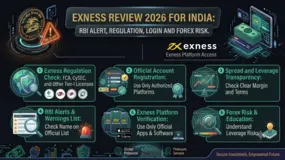
Exness Review 2026 for India: RBI Alert, Regulation, Login and Forex Risk
The RBI Alert List, updated on 19 November 2025, names Exness and the website www.exness.com. RBI says listed entities are not authorised to deal in forex under FEMA or operate an authorised forex ETP. Exness also publishes overseas regulatory records. These facts must not be mixed. Overseas regulation does not create RBI authorisation for an Indian resident.
WikiFX Broker
Latest News
A Tiny USDT Transfer Could Put Your Crypto Wallet Under Scrutiny
 WikiFX
Three Losses in a Row? Rebuild Clear Decisions, Not Revenge
WikiFXFXGM Review: A KNF Warning and Withdrawal Complaints to Check Before You Deposit
WikiFXXM Review 2026 for India: RBI Alert, Regulation, Login and Forex Risk
WikiFX18.3 Million Malaysians Participated in National Anti-Scam Campaign
WikiFXAustralia dollar on longest weekly winning streak since 2020
WikiFXMaybank Completes Malaysia's First Tokenised Financing Deal
WikiFXExness Review 2026 for India: RBI Alert, Regulation, Login and Forex Risk
WikiFXReview 2026: FBS Complaints, Regulation, and Withdrawal Risk Signals
WikiFXRoboForex Review: Regulation Alarms Hit a Broker Facing Profit-Wipe Complaints
WikiFXRate Calc

