Spreadex Fined £2M for Repeated Gambling Compliance Failures
Abstract:UK Gambling Commission fines Spreadex £2M for anti-money laundering and social responsibility breaches, marking its second major penalty in three years.
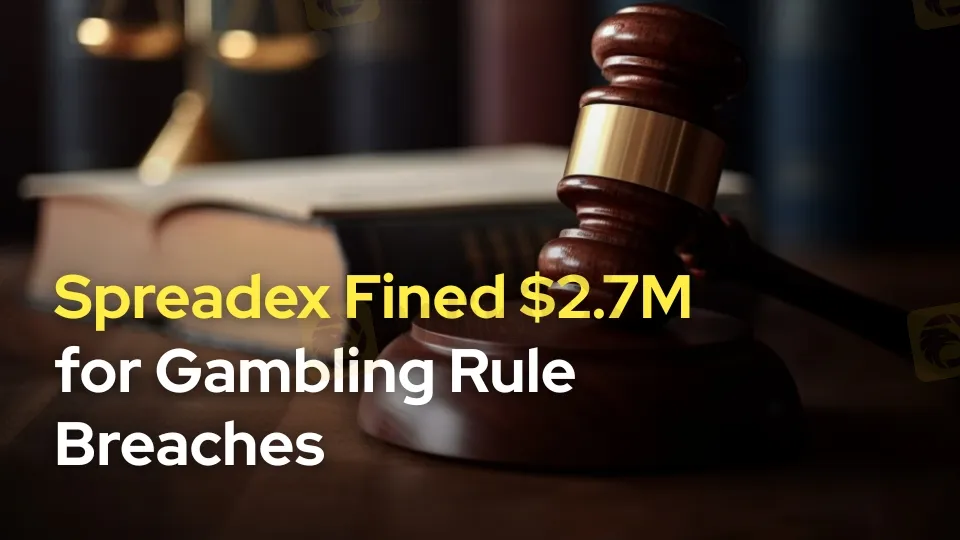
Spreadex Limited, a UK gambling company, must pay a $2.7 million (£2 million) fine for not following rules to prevent money laundering and keep players safe. The UK Gambling Commission investigated the company and found major problems in how it operated from September 2022 to November 2023.
In mid-2023, a routine check showed Spreadex wasn‘t doing enough to ensure safety. The company, which runs online casino games and sports betting, trusted customer-provided financial details without verifying them. For example, one new user deposited $85,310 (£64,000) soon after signing up. This large sum raised red flags, but Spreadex didn’t properly check where the money came from. That same user lost $66,648 (£50,000) in just one month, showing a lack of oversight.
The Gambling Commission also pointed out problems with how Spreadex handled players at risk. One customer hit a daily deposit cap of $4,452 (£3,340) on 12 days over two weeks. Instead of stepping in to check on the players well-being, Spreadex sent automated messages with no personal follow-up, missing a chance to help someone who might be struggling.
To fix these issues, Spreadex will face an outside review to check its anti-money laundering and player safety practices. This audit will make sure the company follows rules moving forward and avoids similar mistakes. The Commission stressed that gambling businesses need strong systems to protect players and keep the industry trustworthy.
This isn‘t Spreadex’s first run-in with regulators. In 2022, the company paid a $1.8 million (£1.36 million) penalty for similar failures, marking its second big violation in three years. Regulators are frustrated that Spreadex hasnt learned from past mistakes and warned that more slip-ups will bring tougher punishments.
John Pierce, who oversees enforcement at the Gambling Commission, said he was troubled by Spreadexs failure to act on warning signs. He criticized the company for relying too much on unverified customer information and not doing enough to support at-risk players. Pierce also urged better teamwork between the Gambling Commission and the Financial Conduct Authority to monitor activities in both gambling and financial trading.
The Gambling Commission‘s stance is firm: companies must have solid plans to spot and handle risks quickly. This fine puts pressure on Spreadex to improve its practices and show it can follow the rules. Regulators have made it clear that they won’t tolerate ongoing failures, and businesses that dont fix their problems will face harsher consequences.


Read more

Is TradingPRO Safe? FCA Warning, Indonesia Blocklist Evidence, and 7 Checks Before You Deposit
This Trading Pro broker review checks the FCA warning, Indonesia blocklist evidence, licence claims, and what South Asian users should verify before depositing.
MT4 White Label Cost in 2026: What Brokers Must Budget Beyond the Platform Fee
The visible fee in an MT4 white label proposal is rarely the real cost of operating it. For an existing broker, the decision is not simply whether an MT4 white label platform is “cheap” or “expensive.” The real question is whether the commercial model remains viable after integration, support, data, client migration, compliance, and exit costs are included. That is why an MT4 white label cost review should be built as a 24- to 36-month operating case. It should compare three credible choices: 1. Keep the present MT4 setup and improve its weakest controls. 2. Replace the MT4 white label provider but retain the client proposition. 3. Migrate selected clients or products to another platform while running MT4 in parallel. This guide explains how to build that case without relying on headline prices or generic vendor claims.

Best White Label Trading Platform 2026
The decision to switch white label providers or migrate to a modern white label trading platform is no longer a luxury for growth-minded brokers—it's a strategic necessity for survival in 2026. The convergence of technological stagnation, regulatory evolution, and shifting client expectations has created a perfect storm.
ABET Review 2026: Users Allege Missing Funds and Trade Manipulation - Our Investigation
ABET, a Bulgaria-based brokerage firm, faces severe allegations from users for the reportedly inefficient way it handles their funds. While some alleged illegitimate account blocks by the broker, others reported fund scams and trade manipulations. These ABET reviews have raised question marks over the broker’s legitimacy.
WikiFX Broker
Latest News
Alpari Review 2026: Official Warnings and High Complaint Patterns
 WikiFX
M4Markets Broker Review: Regulation, Licenses and WikiScore Analysis
WikiFXRoboForex Review 2026: Regulatory Warnings and Withdrawal Red Flags
WikiFXLONG ASIA Review 2026: Unverified Regulation and Withdrawal Risks
WikiFXYen Drops Past 163 On Oil
WikiFXUS Charges Two Over Alleged $43M Laundering Network
WikiFXHow to Tell if a Market Reversal at Support is Real
WikiFXBeirman Capital Review 2026: Unregulated Status and Key Risk Signals
WikiFXSix Arrested in ₹2.68Cr Dubai-Linked Scam on Ex-IAF Officer
WikiFXSix Arrested in ₹20 Million Dubai-Linked Investment Scam
WikiFXRate Calc

