What Xtreme Markets Isn’t Telling You About Its Regulation
Abstract:Xtreme Markets, a forex and CFD broker, operates under a licence issued by the Financial Services Commission (FSC) of Mauritius. While this regulatory stamp may appear reassuring at first glance, a closer look at the nature of offshore licences reveals several critical factors that investors should not ignore.
Xtreme Markets, a forex and CFD broker, operates under a licence issued by the Financial Services Commission (FSC) of Mauritius. The company holds a Retail Forex Licence with registration number GB22200951. While this regulatory stamp may appear reassuring at first glance, a closer look at the nature of offshore licences reveals several critical factors that investors should not ignore.

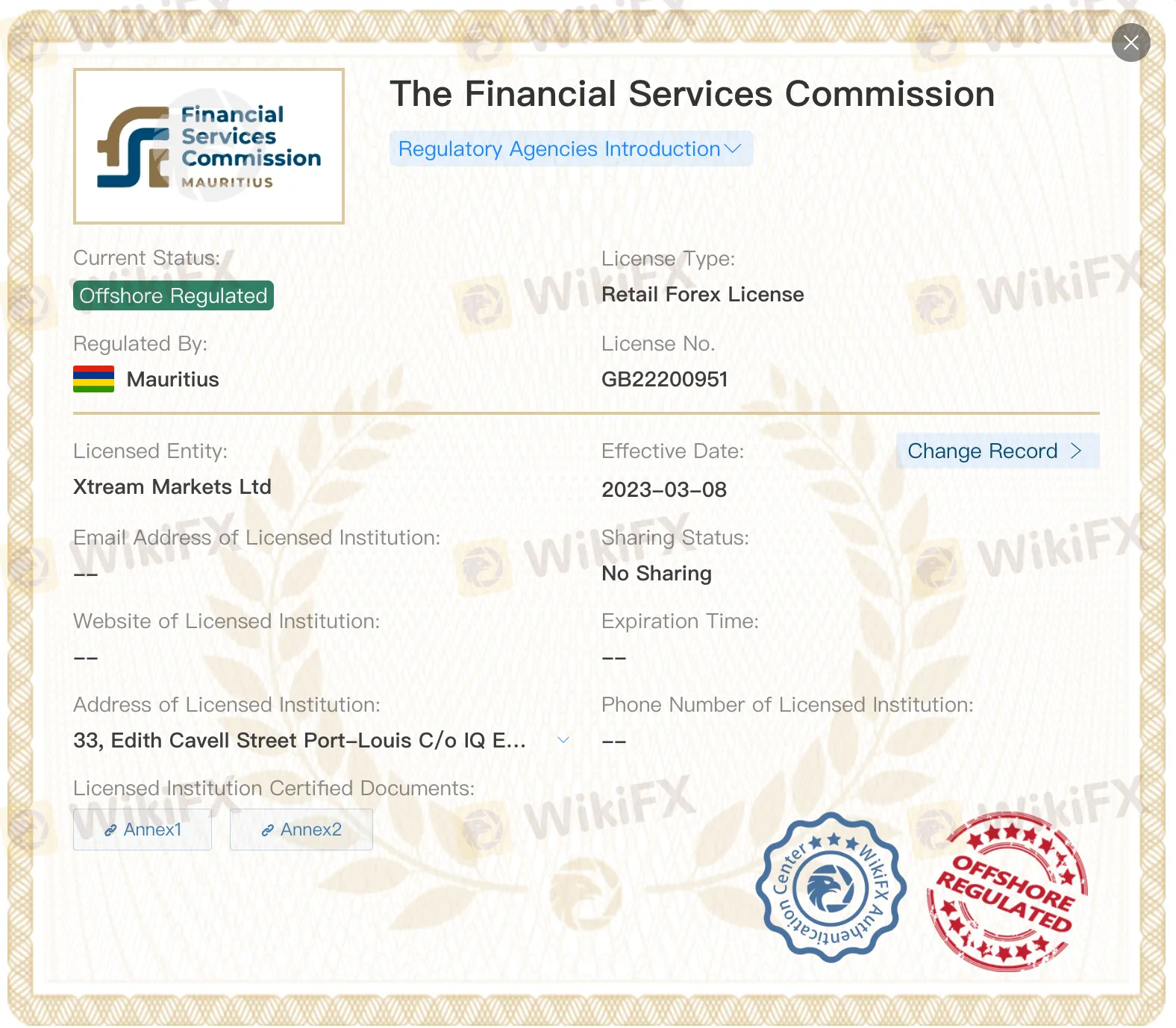
The FSC of Mauritius is categorised as an offshore regulator. Offshore jurisdictions typically offer lower entry barriers for brokers, including less stringent capital requirements, minimal ongoing supervision, and limited mechanisms for investor redress in cases of misconduct. This regulatory leniency is often used by firms seeking operational freedom while still presenting a façade of legitimacy to unsuspecting clients.
Although Xtreme Markets is technically regulated, the offshore nature of its licence introduces a significant level of underlying risk. Offshore regulators are not generally known for active enforcement or tight oversight, which means that client protection may be minimal. In the event of a dispute or broker insolvency, recovering funds can become a lengthy and uncertain process.
Onshore vs Offshore Forex Broker Licences: Why the Difference Matters
Understanding the difference between onshore and offshore regulation is essential for any trader evaluating a broker. Onshore regulators, such as the UK's Financial Conduct Authority (FCA), the Australian Securities and Investments Commission (ASIC), or the Commodity Futures Trading Commission (CFTC) in the United States, are known for strict standards. These include segregation of client funds, compensation schemes, transparent fee disclosures, and strong compliance checks.
In contrast, offshore regulators typically lack the infrastructure and legal frameworks necessary to provide comparable investor protection. This gap is often exploited by brokers that wish to operate internationally while avoiding the costs and compliance burdens associated with reputable onshore jurisdictions. In many cases, brokers registered offshore may still actively solicit clients in regulated countries without being authorised to do so, raising serious concerns about transparency and legal standing.
This is not to say that every offshore-licensed broker operates unethically, but the lack of robust oversight significantly increases the risk for investors. Without comprehensive regulation, the brokers internal practices, such as how client funds are handled or how trades are executed, remain largely unverified by a credible third party.
While Xtreme Markets may present itself as a regulated broker, its status as an offshore-licensed entity under the Mauritius FSC highlights important limitations in terms of regulatory assurance and investor protection. Traders considering such brokers should exercise heightened caution and ensure they fully understand the nature of the regulatory environment in which the broker operates.


Read more
Tattvam Review 2026: Investigating Complaints Concerning Trade Executions
Did you encounter trade-related concerns with Tattvam, a Mauritius-based brokerage entity? Several users have reportedly accused the broker of cancelling profitable trades, allegedly citing scalping as the reason. At the same time, traders have reportedly expressed concerns over the lack of understanding among the broker officials about critical trading aspects such as copy trading. In this Tattvam review, we have carefully examined user-reported allegations. Additionally, we have given a regulatory overview of the broker.
suxxessfx Review 2026: Funds Worth $5K-$42K Reportedly Lost. Check Our Investigation!
suxxessfx, a Seychelles-based brokerage entity, grabbed massive ire from traders on broker review platforms such as WikiFX, a globally recognized forex broker regulation inquiry app. Exposure reports have revealed fund losses worth over $5K-$42K on the broker’s trading platform. This suxxessfx review examines serious user allegations and its regulatory status. Read on!
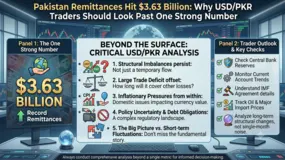
Pakistan Remittances Hit $3.63 Billion: Why USD/PKR Traders Should Look Past One Strong Number
Pakistan remittances reached $3.631 billion in July 2026, up 13% year on year and 4.5% from June, according to the latest State Bank of Pakistan data release. The SBP remittances update is a useful external-sector input, but it is not a currency forecast. This guide explains what the inflow can mean for the Pakistan forex market and USD PKR, and what it cannot prove about the next Pakistan rupee move.
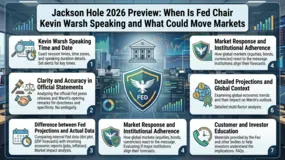
Jackson Hole 2026 Preview: When Is Fed Chair Kevin Warsh Speaking and What Could Move Markets
Fed Chair Kevin Warsh is listed to deliver Jackson Hole keynote remarks on 28 August 2026. See the schedule, market scenarios and USD-gold watchlist.
WikiFX Broker
Latest News
BOLD PRIME Review 2026: Regulation Warnings, Withdrawal Complaints, and Account Access Risks
 WikiFX
EC Markets Marketing Director Nick Xydas Steps Down
WikiFXFXDD Malta Licence Ends: What Traders Need to Know
WikiFXForest City Scam Raids Raise Fresh Warning for Malaysian Property Owners
WikiFX20 Chinese Arrested Over Love Scam in Penang
WikiFXTICKMILL Broker Review: Regulated but is it Safe for Traders?
WikiFXAUS GLOBAL Broker Review: Regulated but is it Safe for Traders?
WikiFXTikTok Romance Bait Drains Retiree RM290,000 Life Savings
WikiFXNvidia sales soar on rapid buildout of AI data centres
WikiFXGO MARKETS Broker Review: Regulated but is it Safe for Traders?
WikiFXRate Calc

