Markets4you emphasizes its PAMM Trading Service
Abstract:PAMM stands for Percentage Allocation Money Management. But in practical terms, it’s a smart strategy that enables multiple investors to pool their funds under the guidance of one skilled trader or Money Manager. The Manager executes trades from a collective pot, and any profits (or losses) are automatically allocated based on each investor's share in real time.

What is PAMM Trading?
PAMM stands for Percentage Allocation Money Management. But in practical terms, its a smart strategy that enables multiple investors to pool their funds under the guidance of one skilled trader or Money Manager. The Manager executes trades from a collective pot, and any profits (or losses) are automatically allocated based on each investor's share in real time.
Why PAMM Matters for Investors
- Simplified, passive investing: Investors benefit from experienced traders without actively managing positions or monitoring markets.
- Seamless automation: At Markets4you, profit/loss splits, performance fees, and allocations are handled entirely by the platform—no manual calculations or reconciliations needed.

MT5 Integration at Markets4you
- Built into MetaTrader 5 Classic Pro and Classic Standard: No platform switch required—just log in as usual on MT5 and enable PAMM features.
- Full automation: All processes—trade execution, allocations, performance tracking, and payouts—are automated, audited, and surfaced in a real-time dashboard.
- Robust MT5 foundation: Leverages MT5s speedy execution, tight spreads, and secure infrastructure.
New Revenue Streams: PAMM Partner Program
Markets4you has also announced a PAMM Partner Program, rewarding affiliates and partners with up to 40% rebates from spreads or commissions generated —a valuable incentive for those who bring in new Money Managers or Investors.
Conclusion
Markets4yous updated PAMM service brings together the best elements of passive investing and professional money management. For investors, it may offer a low-hassle way to access skilled trading.
Curious to learn more? Open WikiFX and search for more information about Markets4you by yourself.


Read more
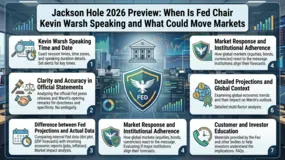
Jackson Hole 2026 Preview: When Is Fed Chair Kevin Warsh Speaking and What Could Move Markets
Fed Chair Kevin Warsh is listed to deliver Jackson Hole keynote remarks on 28 August 2026. See the schedule, market scenarios and USD-gold watchlist.

Wealth-db.co.uk FCA Warning: How to Spot the DB UK Bank Clone
The FCA says wealth-db.co.uk is a clone of DB UK Bank Limited. Compare the fake contact details, genuine FRN, website, and seven checks before paying.
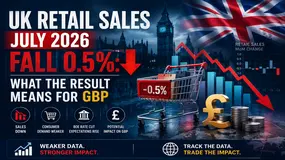
UK Retail Sales July 2026 Fall 0.5%: What the Result Means for GBP
UK retail sales fell 0.5% in July 2026, while the three-month measure rose 1.1%. See the ONS details and what the mixed result may mean for GBP.
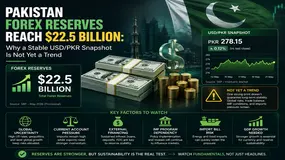
Pakistan Forex Reserves Reach $22.5 Billion: Why a Stable USD/PKR Snapshot is Not Yet a Trend
Pakistan forex reserves stood at $22.506 billion on 13 August 2026, while the SBP dashboard showed a USD/PKR mark to market rate of 277.5713 on 20 August. This article separates the SBP forex reserves facts from predictions about the Pakistan rupee and the forex market Pakistan.
WikiFX Broker
Latest News
FXDD Malta Licence Ends: What Traders Need to Know
 WikiFX
Forest City Scam Raids Raise Fresh Warning for Malaysian Property Owners
WikiFXBOLD PRIME Review 2026: Regulation Warnings, Withdrawal Complaints, and Account Access Risks
WikiFXOEXN Broker Review: Regulated but is it Safe for Traders?
WikiFXEC Markets Marketing Director Nick Xydas Steps Down
WikiFXNvidia sales soar on rapid buildout of AI data centres
WikiFXBill Gates Warns the World Is Not Ready for AI's Biggest Risks
WikiFXTikTok Romance Bait Drains Retiree RM290,000 Life Savings
WikiFX20 Chinese Arrested Over Love Scam in Penang
WikiFXSingapore Bleeds S$410 Million to Scams in Six Months
WikiFXRate Calc

