What Does PrimeXBT's Offshore Regulatory Status Really Mean?
Abstract:Understanding PrimeXBT's offshore regulatory status, its implications, and what it means for traders looking for transparency and reliability in their investments.
Introduction
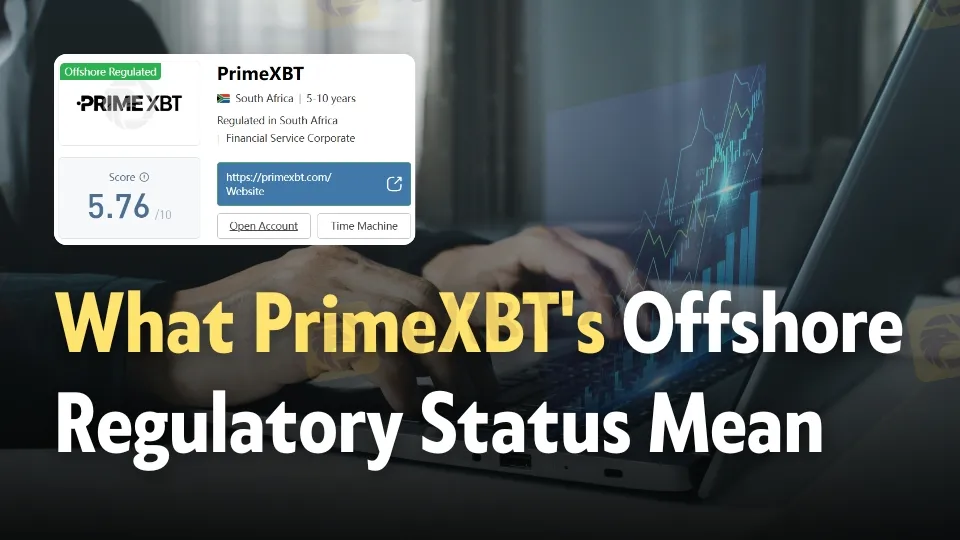
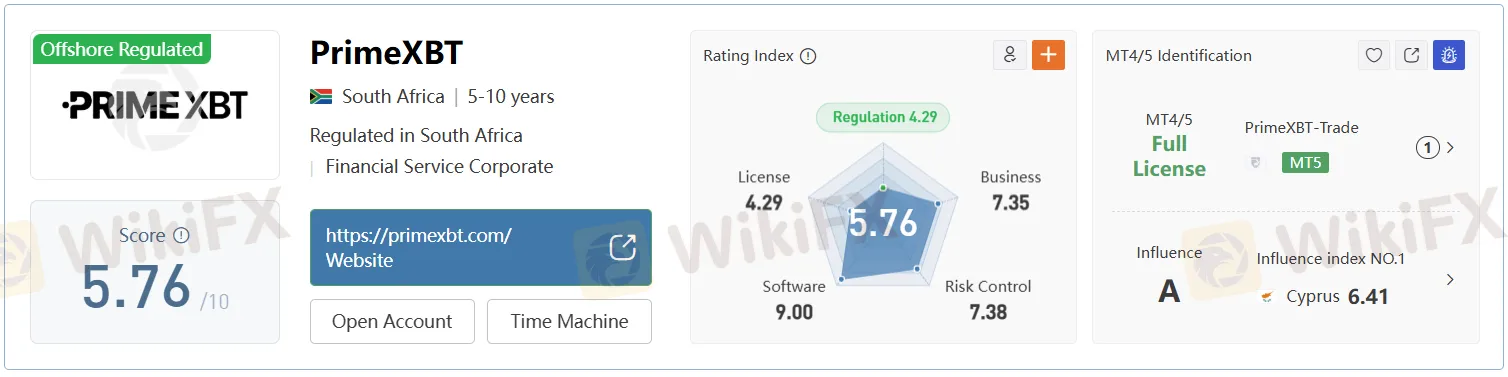
In the ever-evolving world of online trading, regulatory compliance is a cornerstone of trust and legitimacy. As global markets become more accessible, traders are faced with the crucial decision of selecting platforms that not only suit their needs but also provide security and regulatory assurance. One platform that has recently come under scrutiny is PrimeXBT, an entity boasting a fresh business registration with the Financial Services Regulatory Authority (FSRA) of Saint Lucia as of May 24, 2024. But what does this “offshore regulated” status truly signify, and what are the real-world implications for those considering trading on PrimeXBT? Lets dig deeper into the evidence and demystify what being “offshore regulated” really means.
Understanding “Offshore Regulated”: Beyond the Buzzword
What the Certificate Reveals
The certificate from Saint Lucias FSRA (Financial Services Regulatory Authority) identifies PrimeXBT Trading Services Ltd as an entity with offshore regulated status, effective from May 24, 2024. This status, accompanied by the license number 2024-00343, underscores that PrimeXBT is officially recognized as a business registered in Saint Lucia. Notably, the license type is categorized strictly under Business Registration, with no clear indicators of regulatory oversight for financial operations such as client fund protection, risk assessments, or ongoing compliance checks.
Regulatory Implications
Saint Lucia, like many other offshore jurisdictions, is known for promoting business-friendly environments with:
- Streamlined incorporation processes
- Low taxation
- Minimal ongoing reporting requirements
While these features attract businesses seeking operational flexibility, they also raise important questions:
- What kind of oversight does PrimeXBT undergo?
- How protected are clients compared to platforms regulated by top-tier authorities (like the FCA, ASIC, or CFTC)?
- What recourse do traders have in the event of disputes or insolvency?
In the certificate, details such as the address, website, and contact information of the licensed entity are notably absent1. The FSRA does not appear to mandate transparency or customer accessibility as a requirement for licensing. This is a pivotal distinction from onshore regulators, who typically require public disclosure of such information.
PrimeXBTs Public Profile & Community Insights
Supplemental images illustrate PrimeXBT‘s standing among online trading communities. The company is referenced across various platforms, including trading review forums, scam report aggregators, and user-led discussions2. A recurring sentiment is mixed cautious optimism: users see the appeal of global access and leverage, yet many express concern about the platform’s offshore status and lack of top-tier regulation.
Key Points From the Community
- Transparency: Review sites and community discussions often highlight the absence of transparent business practices commonly found with more rigorously regulated brokers2. Concerns are raised about customer support efficacy and the ability to resolve issues.
- Coverage: Platforms assessed cover various transaction types (forex, crypto, CFDs), reinforcing PrimeXBTs diverse service offering—but again, community members remain wary about trust.
- Due Diligence Reminders: Most reputable forums advise traders to conduct extra due diligence before depositing funds with brokers holding only offshore licenses.
Offshore vs. Onshore Regulation: Whats the Difference?
| Aspect | Offshore (Saint Lucia FSRA) | Onshore (e.g. US, UK Regulators) |
| Oversight | Minimal - focuses on business registry | Robust - includes compliance checks |
| Consumer Protectors | Limited to none | Investor compensation, strict standards |
| Transparency | Often limited | High - public registration, clear contacts |
| Dispute Resolution | Light or no taxation, less reporting | Established mechanism for complaints |
| Tax/Reporting | Light or no taxation, less reporting | Higher taxes, regular audits |
Being “offshore regulated” typically means a business has been incorporated and acknowledged by a jurisdiction with lax requirements. There is usually no continuous scrutiny to ensure that customer funds are segregated or that the business operates with fair practices. In contrast, onshore regulation (by authorities such as the Financial Conduct Authority in the UK or the SEC in the US) introduces stringent layers of oversight, consumer protection policies, and transparent dispute resolution channels.
What This Means for Traders
Risk Considerations:
- Capital safety is less guaranteed: While an offshore license is a legal document, it does not equate to a regulatory safety net for client funds.
- Limited recourse: Should disputes emerge, non-local clients may find it difficult—if not impossible—to resolve issues in their favor.
- Transparency hurdles: Lack of a legal requirement for address, contact details, or regular auditing makes it harder to independently verify the brokers bona fides.
Potential Benefits:
- Access to global markets: Offshore brokers may offer products or leverage that is prohibited elsewhere.
- Reduced bureaucracy: Account setup and verification processes are usually swift and streamlined.
Weighing the Merits
Choosing to trade with a broker like PrimeXBT is fundamentally a trade-off between opportunity and risk. For sophisticated or high-risk traders, the potential upside may outweigh the dangers, especially if operating with strict personal risk controls. However, for average or inexperienced clients, the absence of robust investor protections should not be taken lightly.
Conclusion
PrimeXBTs new offshore regulatory status, granted by the Financial Services Regulatory Authority in Saint Lucia, fulfills legal requirements to operate as a business entity but does little to assure substantial regulatory oversight or client protections. Traders must recognize that “offshore regulated” does not imply strong regulatory backing. The responsibility to assess and accept the risks of such a trading environment ultimately falls squarely on the shoulders of the user. Vigilance, self-education, and a clear-eyed assessment of potential pitfalls are crucial when dealing with any offshore-licensed financial entity.
Visit PrimeXBT's broker page for comprehensive details: https://www.wikifx.com/en/dealer/5841612105.html


Read more
FINEX Review: A+++ Rating Does Not Remove Risks - How to Read Spread, Withdrawals & Other Aspects
FINEX review 2026 for readers comparing an Indonesia forex broker: understand what Bappebti's A+++ rating does and does not show, then check floating spreads, withdrawals, segregated accounts and the complaint route for PT Finex Bisnis Solusi Futures.
Tier 1 Liquidity Forex in 2026: What Institutional Really Means for a Broker
Choosing a tier 1 liquidity forex is not a search for the lowest displayed spread or the longest provider list. It is a broker decision about pricing integrity, depth, routing, credit, reporting, incident response, and client communication. This 2026 guide explains how an institutional liquidity provider, bank liquidity forex, or interbank liquidity provider arrangement fits into a broker’s execution chain; what to test before onboarding; why a “best tier 1 liquidity forex” claim cannot replace due diligence; and how to compare cost beyond commission. Use the execution-quality scorecard, provider questions, routing scenarios, and 90-day onboarding plan to assess whether a liquidity relationship can support your actual client mix, instruments, risk model, and jurisdiction. The goal is not to make a universal ranking. It is to build evidence that your broker can explain, supervise, reconcile, and recover its execution service when market conditions are difficult.
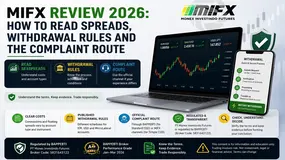
MIFX Review 2026: How to Read Spreads, Withdrawal Rules and the Complaint Route
MIFX review 2026: understand published commissions and spreads, the withdrawal process, Instant Withdrawal conditions, and the PT Monex Investindo Futures complaint route without turning community discussion into factual allegations.

Forex Liquidity Provider in 2026: Why the Tightest Spread is Not Always the Best Execution Decision
Choosing a forex liquidity provider is not a search for the lowest displayed spread or the longest provider list. It is a broker decision about pricing integrity, depth, routing, credit, reporting, incident response, and client communication. This 2026 guide explains how a forex LP, FX liquidity provider, or liquidity provider forex arrangement fits into a broker’s execution chain; what to test before onboarding; why a “best forex liquidity provider” claim cannot replace due diligence; and how to compare cost beyond commission. Use the execution-quality scorecard, provider questions, routing scenarios, and 90-day onboarding plan to assess whether a liquidity relationship can support your actual client mix, instruments, risk model, and jurisdiction. The goal is not to make a universal ranking. It is to build evidence that your broker can explain, supervise, reconcile, and recover its execution service when market conditions are difficult.
WikiFX Broker
Latest News
US CPI Cools, but Tonight’s PPI Could Put a Fed Hike Back on the Table
 WikiFX
Review 2026: RoboMarkets Regulation, Platform Access, and Trader Feedback
WikiFXWhy Importers Panic When Dollars Dry Up, and Why You Should Care
WikiFXCore Prime Review 2026: Unregulated Status, Blocked Accounts, and Key Risks
WikiFXTRADEVIEW MARKETS Review: Broker Complaints, Regulation Warnings, and Funds Withheld Claims
WikiFXWhy More Commodity Revenue Doesn't Instantly Strengthen a Currency
WikiFXJust Markets Review: 1.82 Score and No Regulation Despite Positive Reviews
WikiFXLuno Review: Users Report Blocked Withdrawals on an Unregulated 'Suspicious Clone'
WikiFXWinvest Review: Is Your Deposit Safe?
WikiFXRinggit climbs vs US dollar as markets await inflation data
WikiFXRate Calc

