Crypto Scam in Malaysia: 20% Profit Promise Turns Into RM572,130 Loss

Abstract:A freelance interpreter in Malaysia thought she had found a shortcut to wealth with a 20% crypto profit promise. Unfortunately, it spiralled into a staggering RM572,130 loss!
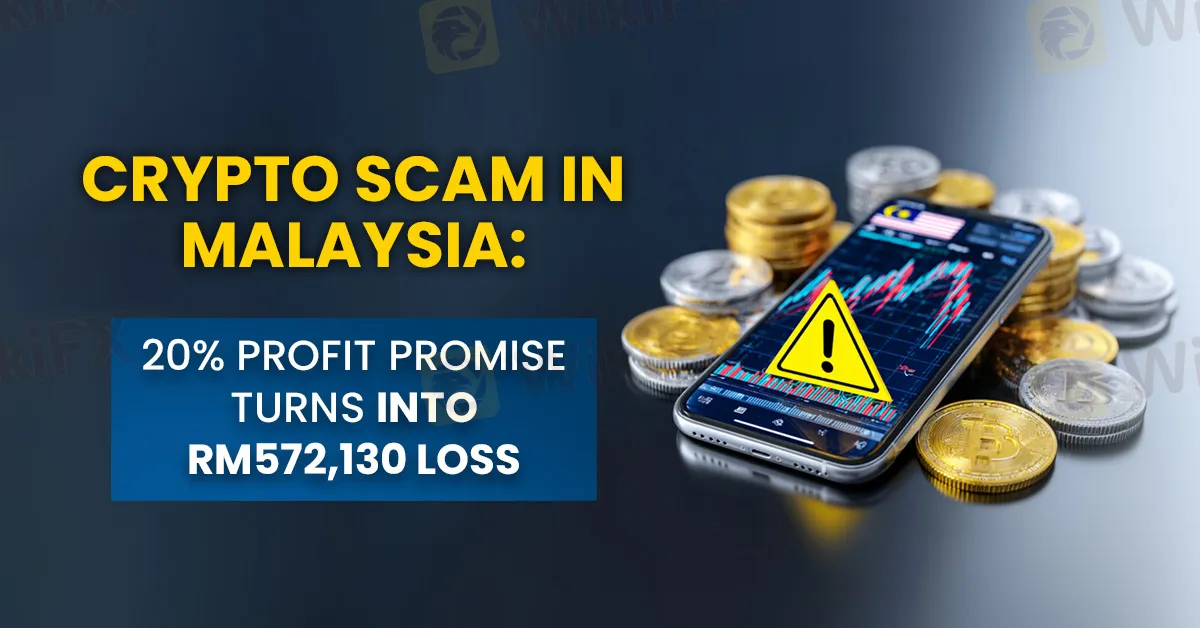
Taiping District Police Chief, Assistant Commissioner Mohamad Nasir Ismail, revealed that the woman was first approached on Instagram by a man identifying himself as “Yang Yuting.” The foreign national initiated casual contact before moving the conversation to WhatsApp by sharing his personal phone number.
Once communication was established, the suspect presented an investment opportunity, offering the woman a link to a supposed cryptocurrency trading platform. The scheme promised lucrative returns, with claims of a 20% profit margin.
On 22 August, the victim deposited her first investment of US$2,000 (approximately RM8,740) into a company account. To strengthen the illusion of legitimacy, the platform credited her with a return of US$2,280.47 (around RM9,595). The small but convincing profit ‘encouraged’ her to invest more.
Escalation and Massive Losses
Between 26 August and 5 September, the victim made 12 further online transfers into nine separate bank accounts. In total, she invested RM572,130, believing each transaction would increase her profit margin.
The suspect then encouraged her to raise her stake even further, suggesting she apply for a bank loan to maximise returns. At this stage, the woman grew suspicious and declined. When she failed to withdraw her money or obtain further profits, she realised she had been defrauded. A police report was lodged on 19 September, and the case is now under investigation under Section 420 of the Penal Code for cheating.
The Tactics Behind the Scam
- Social media grooming: Initial contact through Instagram created a sense of familiarity.
- False credibility: A small initial return was deliberately provided to gain the victims trust. Read this article to find out why scammers do this: https://www.wikifx.com/en/newsdetail/202503148244401400.html
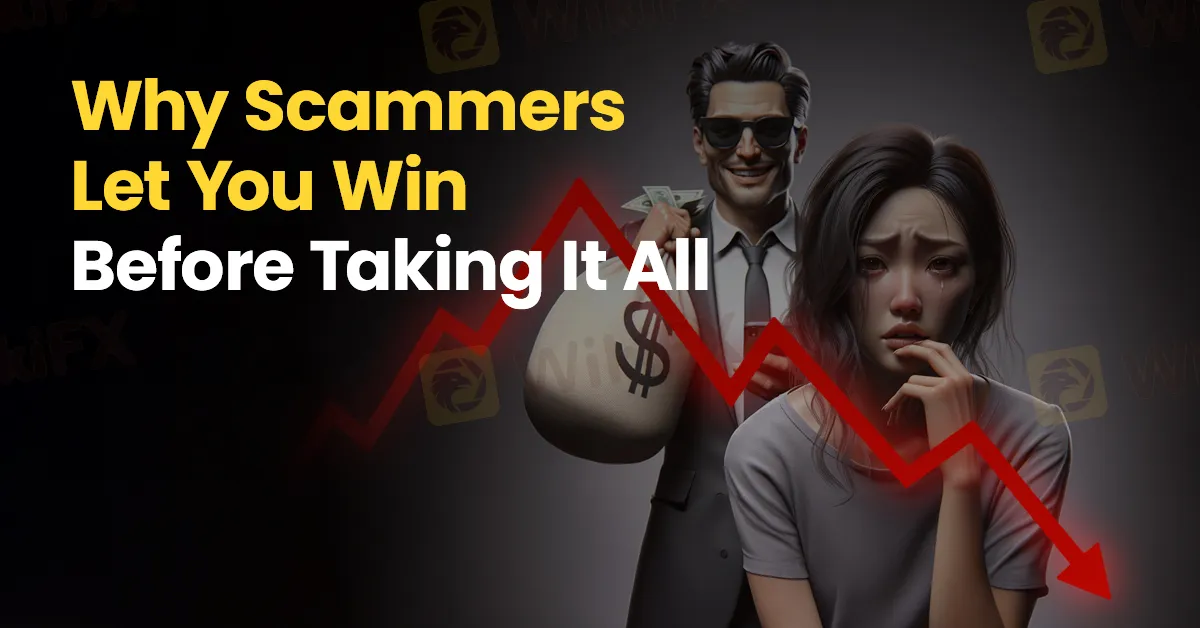
- Pressure to escalate: Victims are often encouraged to “top up” their investments or even take loans.
- Multiple accounts: Funds are dispersed across various accounts, making recovery nearly impossible. Read this article carefully why this is a major red flag: https://www.wikifx.com/en/newsdetail/202509049624591076.html
The combination of psychological manipulation and technical deception makes these scams particularly dangerous.
Why Crypto Scams Are So Effective
Cryptocurrency investments are especially appealing to scammers because of the general publics limited understanding of the market. The promise of fast, substantial profits, paired with the allure of digital currencies, creates the perfect trap. For freelancers or individuals seeking alternative income sources, such offers can be difficult to resist.
A Stronger Defence With WikiFX
The tragedy of this case is that it could have been prevented with proper verification. Platforms like WikiFX provide a critical first line of defence for investors by allowing them to check whether brokers, platforms, and investment companies are legitimate.
WikiFX compiles regulatory data from global financial authorities, giving users instant access to licensing details, broker credibility, and consumer feedback. Had the victim checked the investment link through WikiFX before transferring funds, the fraudulent nature of the platform would have been exposed.

Moreover, WikiFX is more than a verification tool. It actively educates investors through case studies, scam alerts, and detailed regulatory updates, equipping the public with the knowledge to detect suspicious activities.
Don‘t Wait Until It’s Too Late
Scammers are adapting quickly, using social media and encrypted platforms like WhatsApp to lure victims. The speed with which the freelance interpreter lost over half a million ringgit shows just how devastating these scams can be. Once money is transferred across multiple accounts, recovery is unlikely.
This is why proactive measures are critical. Before responding to online investment offers, pause, verify the platform through WikiFX, and only proceed if it is licensed and regulated. The cost of skipping this step could be catastrophic.
Conclusion
The RM572,130 loss suffered by the interpreter is a painful reminder that no one is immune to online scams, regardless of age or profession. Fraudsters are relentless, but investors have the power to protect themselves by staying vigilant and using tools designed to reveal the truth.
Use WikiFX to verify, research, and confirm before you invest. One quick check could save you from financial ruin.

Read more
Wayone Capital Exposed: Withdrawal Denials, Poor Refundable Policy & Fund Scams Take Centrestage
Failed to receive funds despite initiating the Wayone Capital withdrawal request? Have you found the broker’s refundable policy manipulative? Did Wayone Capital block your investment fund? Do you constantly face technical issues at Wayone Capital? Many traders have vehemently opposed these scam-like tactics on broker review platforms. In this Wayone Capital review article, we have shared many such complaints. Take a look!

Vida Markets Review: Allegations of Profit Cancellation and Misuse of KYC Docs
Earned profits after months of losses when trading through Vida Markets, but was denied on a false accusation by the broker? Did the broker fraudulently cause you losses that you found on the Vida Markets login? Have you also encountered incidents of KYC document misuse? Unfortunately, these have been the raging issues for traders here. Many have shared negative Vida Markets reviews online. In this article, we have shared many such complaints. Keep reading!
HEADWAY: The Fast Track to Financial Dead-Ends?
In the world of online trading, a surge in complaints is often the first tremor before an earthquake. For the broker HEADWAY, that tremor has become a shockwave. With over 85 formal complaints lodged against the platform in just the last three months, a disturbing pattern has emerged. Our investigation into trader feedback and regulatory records reveals a broker that lures clients with attractive bonuses, only to allegedly trap them with technical anomalies, impossible withdrawal conditions, and a regulatory license that may not offer the protection traders expect.

Is Forex Trading a Scam or Do People Actually Make Money From It?
Mention the word forex in Malaysia, and you will often hear immediate reactions: “It is a scam”, “It is like a money game”, or “Everyone loses”. Is forex trading a scam, or do people actually make money from it?!
WikiFX Broker
Latest News
Absolute Markets 2025: Is It Scam or Safe? Suitable for Traders in Pakistan?
WikiFXOffshore Forex Brokers Ramp Up Expansion in Vietnam as Authorities Crack Down on Scams
WikiFX'Worse Than COVID': Weak US Manufacturing Surveys Signal Stagflation In November
WikiFXScam Alert: 8,500 People Duped with Fake 8% Monthly Return Promises from Forex and Stock Investments
WikiFXUK snack brand Graze to be sold to Jamie Laing\s Candy Kittens
WikiFXFTMO Completes Acquisition of Global CFDs Broker OANDA, Marking a Major Milestone
WikiFXHEADWAY: The Fast Track to Financial Dead-Ends?
WikiFXThinkMarkets Review: Why High Ratings Are Masking a "Withdrawal Black Hole"
WikiFXDelta Fx Review: Are Technical Glitches and Scam-Like Practices Draining Trader Profits?
WikiFXDeriv Review and Global Regulation Explained
WikiFXRate Calc

