CMA Blocks SpreadEx–Sporting Index Merger
Abstract:UK CMA rejects SpreadEx and Sporting Index merger, ruling it would harm sports spread betting competition by limiting choice and raising costs.

CMA Blocks UK Spread Betting Merger
The UK Competition and Markets Authority (CMA) has formally blocked the proposed merger of SpreadEx and Sporting Index, ruling that the combination would remove effective competition in the online sports spread betting sector. The decision marks the latest step in a regulatory review process that has stretched nearly two years.
CMAs Final Ruling
The merger was first announced in November 2023 and quickly became a focus of scrutiny. In November 2024, the CMA issued an initial rejection, citing concerns of market concentration. SpreadEx appealed to the Competition Appeal Tribunal (CAT), which referred the case back for further review in March 2025. Following a fresh investigation, the CMA reconfirmed its original stance, stating that the merger would effectively eliminate competition in the UK sports spread betting market.

Impact on Customers
The CMAs independent panel concluded that a lack of rival operators would reduce innovation, shrink betting product ranges, and could lead to weaker service standards and higher fees for consumers. According to the regulator, these risks directly undermine the customer experience in online sports spread betting, a niche but highly competitive segment of the UK gambling industry.
Divestment as Only Remedy
Richard Feasey, chair of the CMA panel, explained that the only acceptable path would be divestment. In his words, SpreadEx would need to sell Sporting Index to restore competition. Without such a sale, the transaction cannot move forward. The CMA confirmed it may require SpreadEx to dispose of the subsidiary entirely, subject to regulator approval of the buyer. These divestment remedy requirements are standard in cases where mergers threaten to create monopolistic control.
Future Steps and Industry Implications
SpreadEx now faces a regulatory deadline to either divest Sporting Index or withdraw the merger plan entirely. If divestment occurs, the CMA will oversee the process to ensure compliance with UK merger control laws. Analysts have noted that this case underscores the increasing scrutiny applied to gambling consolidation, particularly under Financial Conduct Authority regulation.
Industry observers suggest the decision prevents significant market concentration and sets a precedent for how spread betting acquisitions will be evaluated in the future. For UK operators, the ruling signals that competition authorities will continue taking a tough stance against dominance in the online sports betting landscape.


Read more

Is TradingPRO Safe? FCA Warning, Indonesia Blocklist Evidence, and 7 Checks Before You Deposit
This Trading Pro broker review checks the FCA warning, Indonesia blocklist evidence, licence claims, and what South Asian users should verify before depositing.
MT4 White Label Cost in 2026: What Brokers Must Budget Beyond the Platform Fee
The visible fee in an MT4 white label proposal is rarely the real cost of operating it. For an existing broker, the decision is not simply whether an MT4 white label platform is “cheap” or “expensive.” The real question is whether the commercial model remains viable after integration, support, data, client migration, compliance, and exit costs are included. That is why an MT4 white label cost review should be built as a 24- to 36-month operating case. It should compare three credible choices: 1. Keep the present MT4 setup and improve its weakest controls. 2. Replace the MT4 white label provider but retain the client proposition. 3. Migrate selected clients or products to another platform while running MT4 in parallel. This guide explains how to build that case without relying on headline prices or generic vendor claims.

Best White Label Trading Platform 2026
The decision to switch white label providers or migrate to a modern white label trading platform is no longer a luxury for growth-minded brokers—it's a strategic necessity for survival in 2026. The convergence of technological stagnation, regulatory evolution, and shifting client expectations has created a perfect storm.
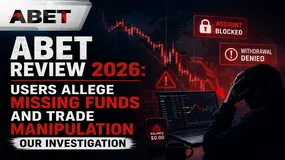
ABET Review 2026: Users Allege Missing Funds and Trade Manipulation - Our Investigation
ABET, a Bulgaria-based brokerage firm, faces severe allegations from users for the reportedly inefficient way it handles their funds. While some alleged illegitimate account blocks by the broker, others reported fund scams and trade manipulations. These ABET reviews have raised question marks over the broker’s legitimacy.
WikiFX Broker
Latest News
Alpari Review 2026: Official Warnings and High Complaint Patterns
 WikiFX
M4Markets Broker Review: Regulation, Licenses and WikiScore Analysis
WikiFXRoboForex Review 2026: Regulatory Warnings and Withdrawal Red Flags
WikiFXLONG ASIA Review 2026: Unverified Regulation and Withdrawal Risks
WikiFXYen Drops Past 163 On Oil
WikiFXUS Charges Two Over Alleged $43M Laundering Network
WikiFXHow to Tell if a Market Reversal at Support is Real
WikiFXBeirman Capital Review 2026: Unregulated Status and Key Risk Signals
WikiFXSix Arrested in ₹2.68Cr Dubai-Linked Scam on Ex-IAF Officer
WikiFXSix Arrested in ₹20 Million Dubai-Linked Investment Scam
WikiFXRate Calc

