Is OspreyFX Safe and Legit? OspreyFX Login & Regulation
Abstract:Many websites highlight this fact that OspreyFX is a Unregulated broker . Reviews from users are mixed - some positive, others raising concerns. Now, we're presenting an article based on thorough research that will reveal the reality of this platform. Read the article until the end and be cautious.
Many websites highlight this fact that OspreyFX is a Unregulated broker . Reviews from users are mixed - some positive, others raising concerns. Now, we're presenting an article based on thorough research that will reveal the reality of this platform. Read the article until the end and be cautious.
Is OspreyFX Regulated – Is It a Good Broker?
OspreyFX operates both as a brokerage and proprietary trading platform, but it is not regulated by any major financial authority, such as the FCA (UK), ASIC (Australia), CySEC (Cyprus), or the SEC (USA). While it claims registration with the Financial Services Authority (FSA) of St. Vincent and the Grenadines, this registration is not the same as financial regulation. This lack of proper REGULATION means OspreyFX operates without accountability to any recognized financial regulatory body. Therefore, OspreyFX is considered an unregulated broker
Has OspreyFX Shut Down?
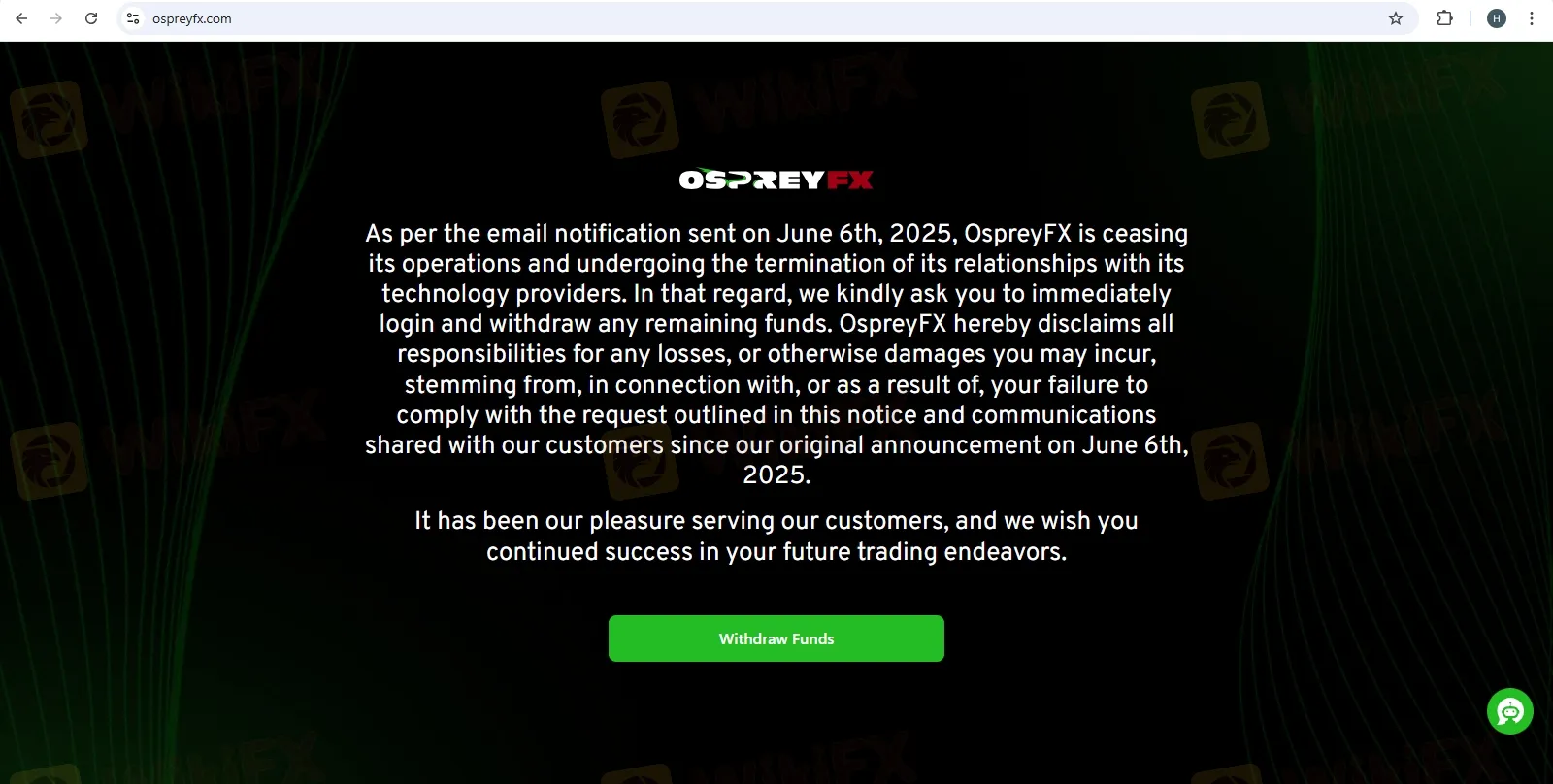
Yes, OspreyFX officially ceased operations in 2025. According to an email notification sent on June 6th, 2025, the broker announced it was shutting down its services and ending partnerships with its technology providers. Users were advised to log in immediately and withdraw any remaining funds from their accounts.
Can OspreyFX still log in?
OspreyFX notified its users via email on June 6, 2025, about the upcoming closure of its operations. According to their website, users can still access their accounts for a limited time in order to withdraw any remaining funds. Clients were urged to act promptly, as OspreyFX made it clear they would not be held liable for any losses resulting from a failure to withdraw funds within the given timeframe. If you still have money in your account, it is essential to log in as soon as possible and initiate the withdrawal process before the platform shuts down completely.
Negative Reviews of OspreyFX-
Despite some positive marketing claims, many users have shared negative experiences with OspreyFX. Below are common complaints gathered from various sources and trading communities:
1. Charges for Withdrawals
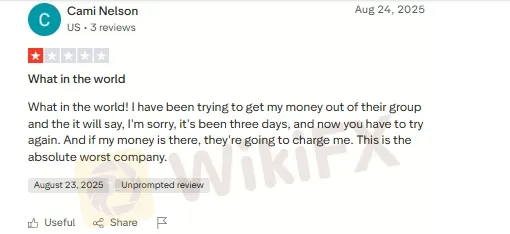
One user complained that he had difficulty withdrawing funds. Instead of resolving the issue, the company either charged additional fees or repeatedly apologized without taking any real action. The user described OspreyFX as “the worst company” .
2. Customer Service Is Non-Responsive
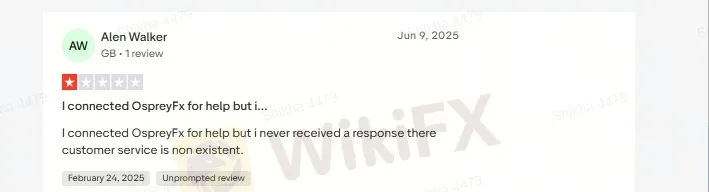
Several users expressed frustration with OspreyFX's customer support, calling it “non-existent.” One user mentioned that support representatives never responded, leaving them with unresolved issues.
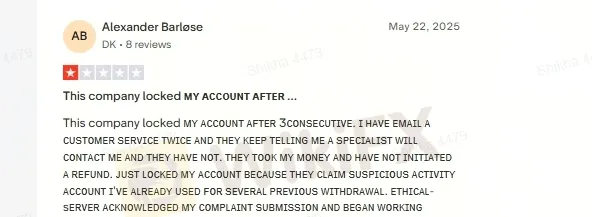
3. Locked Account, Problem Unresolved
Another trader reported that his account was locked due to alleged suspicious activity. Although he contacted customer support and were told the issue would be resolved, nothing was ever fixed, and their funds remained inaccessible.
4. Misleading Marketing Tactics
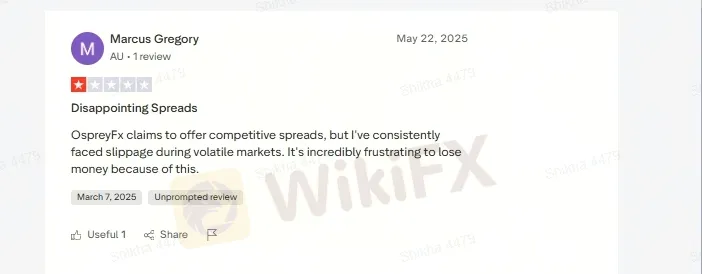
One user criticized OspreyFX for using misleading advertising. The broker promoted low spreads, but the actual spreads turned out to be significantly higher.

5. Demo Account vs. Real Account Performance
A user noted that his experience with OspreyFXs demo account was initially smooth, but once he switched to a live account, he encountered price jumps and slippage.

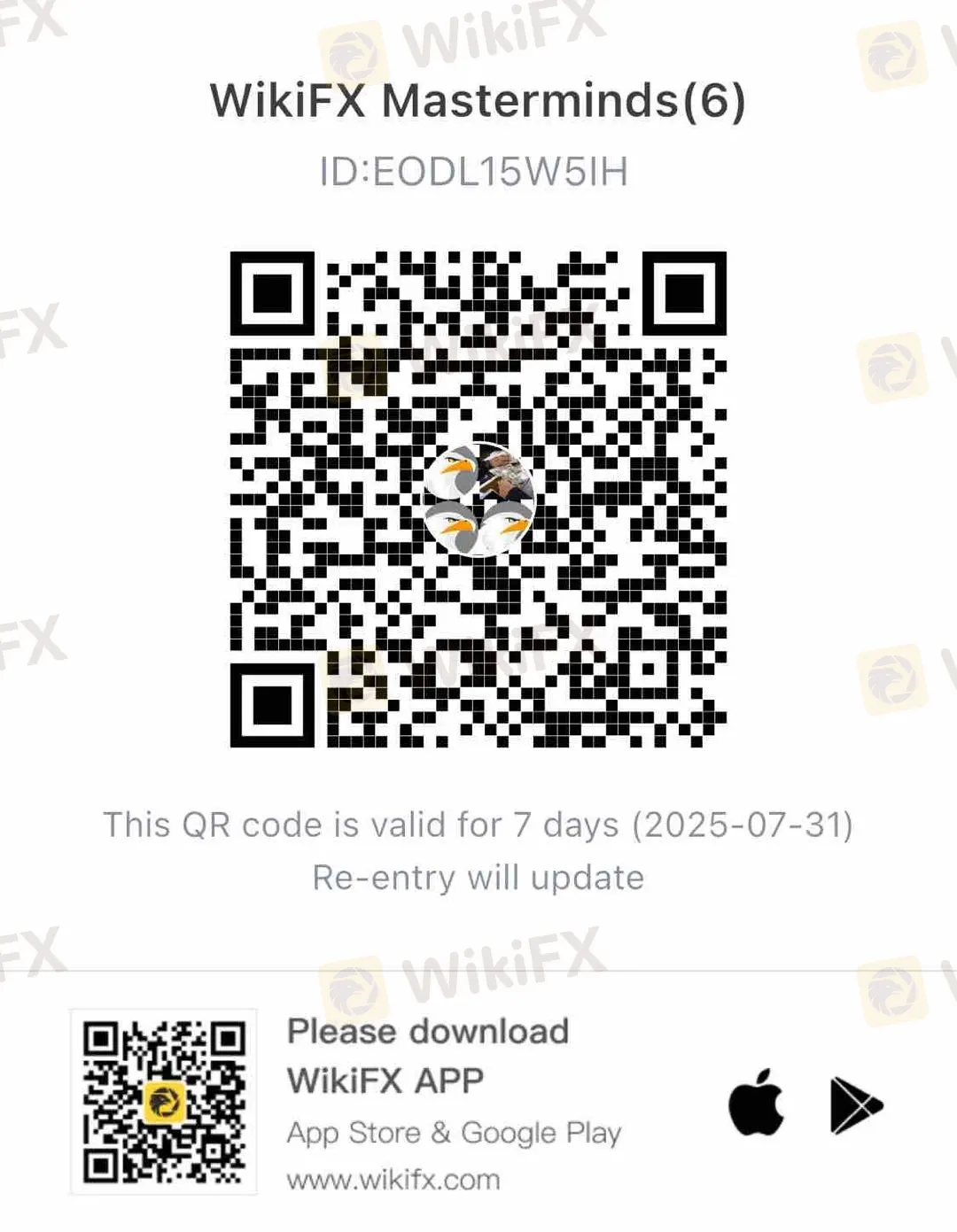
Stay alert and informed with WikiFX- your one-stop destination for everything related to the Forex market. Whether you're looking for the latest market updates, scam alerts, or reliable information about brokers. Join the WikiFX Community today by scanning the QR code at the bottom and stay one step ahead in the world of Forex trading.
Steps to Join
1. Scan the QR code below
2. Download the WikiFX Pro app
3. After installing, tap the Scan icon at the top right corner
4. Scan the code again to complete the process
5. You have joined!

Read more
FINEX Review: A+++ Rating Does Not Remove Risks - How to Read Spread, Withdrawals & Other Aspects
FINEX review 2026 for readers comparing an Indonesia forex broker: understand what Bappebti's A+++ rating does and does not show, then check floating spreads, withdrawals, segregated accounts and the complaint route for PT Finex Bisnis Solusi Futures.
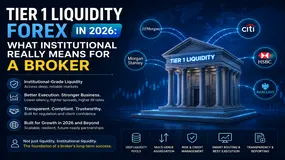
Tier 1 Liquidity Forex in 2026: What Institutional Really Means for a Broker
Choosing a tier 1 liquidity forex is not a search for the lowest displayed spread or the longest provider list. It is a broker decision about pricing integrity, depth, routing, credit, reporting, incident response, and client communication. This 2026 guide explains how an institutional liquidity provider, bank liquidity forex, or interbank liquidity provider arrangement fits into a broker’s execution chain; what to test before onboarding; why a “best tier 1 liquidity forex” claim cannot replace due diligence; and how to compare cost beyond commission. Use the execution-quality scorecard, provider questions, routing scenarios, and 90-day onboarding plan to assess whether a liquidity relationship can support your actual client mix, instruments, risk model, and jurisdiction. The goal is not to make a universal ranking. It is to build evidence that your broker can explain, supervise, reconcile, and recover its execution service when market conditions are difficult.
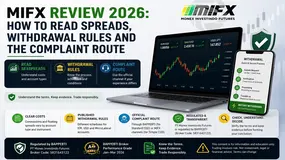
MIFX Review 2026: How to Read Spreads, Withdrawal Rules and the Complaint Route
MIFX review 2026: understand published commissions and spreads, the withdrawal process, Instant Withdrawal conditions, and the PT Monex Investindo Futures complaint route without turning community discussion into factual allegations.
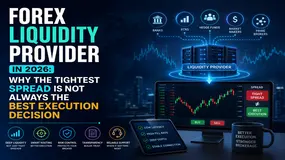
Forex Liquidity Provider in 2026: Why the Tightest Spread is Not Always the Best Execution Decision
Choosing a forex liquidity provider is not a search for the lowest displayed spread or the longest provider list. It is a broker decision about pricing integrity, depth, routing, credit, reporting, incident response, and client communication. This 2026 guide explains how a forex LP, FX liquidity provider, or liquidity provider forex arrangement fits into a broker’s execution chain; what to test before onboarding; why a “best forex liquidity provider” claim cannot replace due diligence; and how to compare cost beyond commission. Use the execution-quality scorecard, provider questions, routing scenarios, and 90-day onboarding plan to assess whether a liquidity relationship can support your actual client mix, instruments, risk model, and jurisdiction. The goal is not to make a universal ranking. It is to build evidence that your broker can explain, supervise, reconcile, and recover its execution service when market conditions are difficult.
WikiFX Broker
Latest News
Octa Review 2026: Severe Withdrawal Complaints and High Risk Signals
 WikiFX
TRADEVIEW MARKETS Review: Broker Complaints, Regulation Warnings, and Funds Withheld Claims
WikiFXDollar and Asian FX Steady Before US CPI
WikiFXWinvest Review: Is Your Deposit Safe?
WikiFXForex Liquidity Provider in 2026: Why the Tightest Spread is Not Always the Best Execution Decision
WikiFXWhy More Commodity Revenue Doesn't Instantly Strengthen a Currency
WikiFXWikiLicense Officially Launches: Building a Global Financial License Verification Platform
WikiFXCrypto Revenue Falls in Q2 as Another Platform Moves Into CFDs
WikiFXBX Trade Review: Is a $1 Minimum Deposit Worth the No-Regulation Risk?
WikiFXReview 2026: RoboMarkets Regulation, Platform Access, and Trader Feedback
WikiFXRate Calc

