Common Questions About InstaForex: Safety, Fees, and Risks (2025)
Abstract:Finding a reliable broker is the most critical step in a trader's journey. With so many platforms promising high returns and low costs, it can be difficult to separate legitimate opportunities from dangerous traps. You are likely here researching InstaForex because their marketing caught your eye, but you want to ensure your capital is safe before depositing 1 cent.
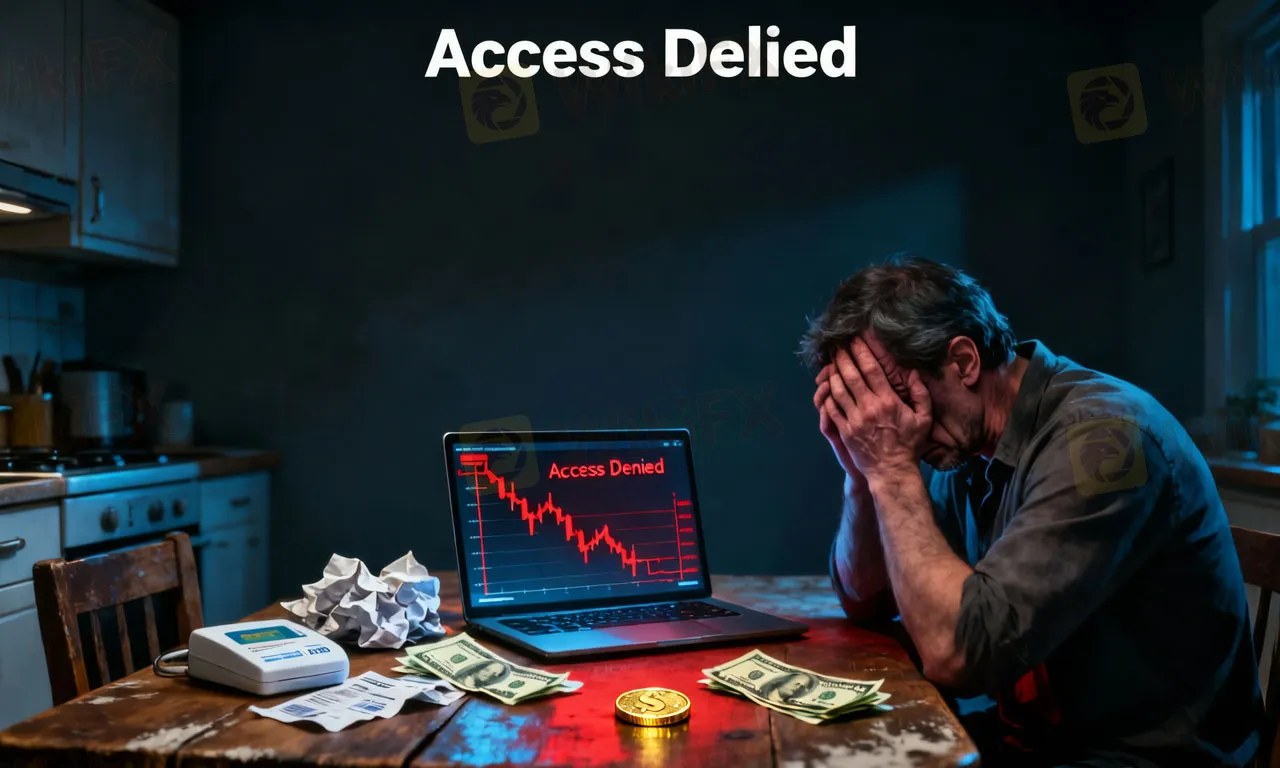
Finding a reliable broker is the most critical step in a trader's journey. With so many platforms promising high returns and low costs, it can be difficult to separate legitimate opportunities from dangerous traps. You are likely here researching InstaForex because their marketing caught your eye, but you want to ensure your capital is safe before depositing 1 cent.
To give you an unbiased look at their current operations, we analyzed the data available on the WikiFX database. Unfortunately, the indicators are worrying. With a low WikiFX Score of 2.31 out of 10, InstaForex is currently flagged with significant trust issues that every potential user needs to understand before opening an account.
Is InstaForex actually regulated?
No, InstaForex does not have a verified, active regulatory license.
According to the latest regulatory data, InstaForex (operating as InstaFinance Ltd) claims to be domiciled in the Virgin Islands, but their status with the Virgin Islands Financial Services Commission (FSC) is listed as “Not Verified” or unauthorized.
Why does “Not Verified” matter?
Regulation is the only safety net a trader has. When a broker is regulated by a competent authority, they are legally required to segregate client funds from company operational funds. This means if the broker goes bankrupt, your money should theoretically remain safe.
An “Unverified” or unregulated status implies:
- No Fund Segregation: The broker could potentially use your deposits to pay their own bills or debts.
- No Dispute Resolution: If they refuse to process a withdrawal, you have no government ombudsman to complain to.
- Operation Risks: Without oversight, the broker makes their own rules regarding slippage, spreads, and leverage abuse.
Official Government Warnings
The regulatory situation for InstaForex is further complicated by official warnings. The Indonesian regulatory body, BAPPEBTI, has placed this entity on a warning list/blocklist (Disclosure code: 202305090812161898). The regulator specifically flagged entities like this for operating without a license and, in some cases, conducting operations that resemble “gambling under the guise of trading.” When a national government blocks a broker's domain to protect its citizens, it is a red flag that international traders should take very seriously.
What problems are users reporting?
While marketing materials often paint a perfect picture, user feedback tells the real story. We have analyzed recent complaints from verified users, and a disturbing narrative has emerged regarding withdrawal refusals and poor trading conditions.
The “Deleted Account” & Withdrawal Nightmare
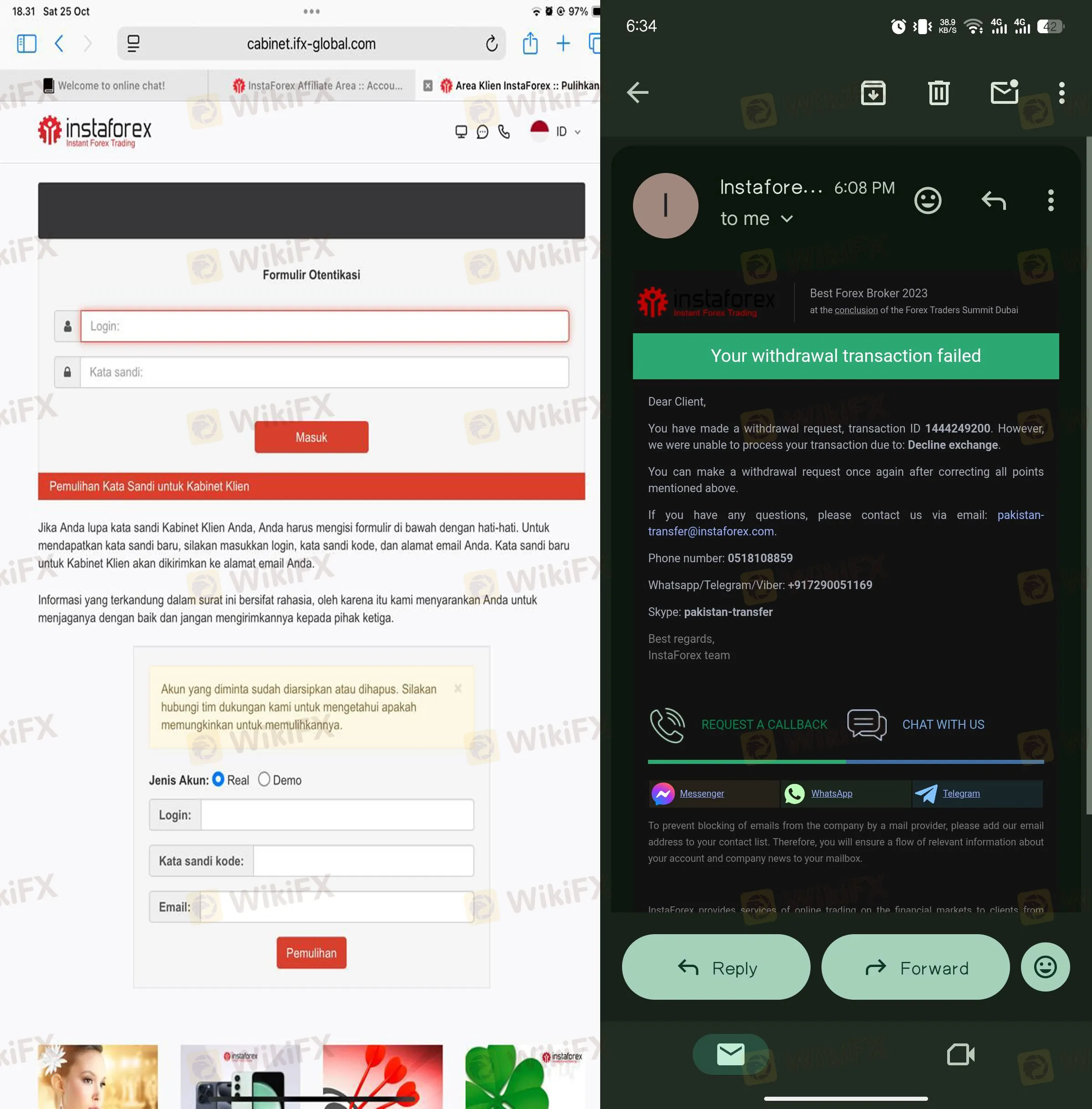
One of the most concerning reports comes from a user in Indonesia who attempted to use a “No Deposit Bonus” (NDB). After meeting all the lot size requirements and submitting a withdrawal request for $20, the request was canceled. When the user attempted to log in again to resolve the issue, they found their account had been deleted and archived without explanation.
This is a classic tactic used by unreliable platforms: they lure traders in with bonuses, but when it comes time to pay out profits, they simply sever the connection.
Unusable Spreads and Interfaces
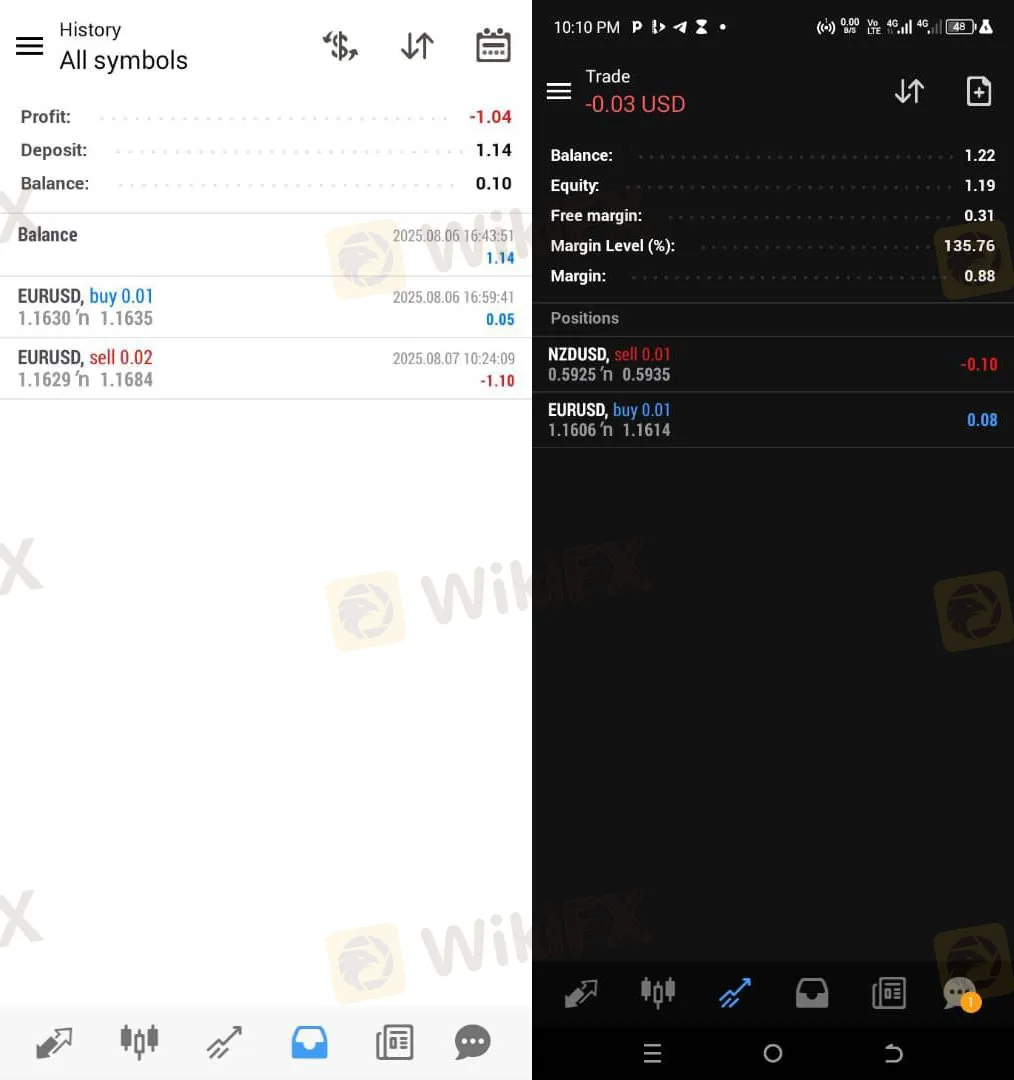
Multiple users from the UK have reported that the trading conditions—specifically the spreads—make it nearly impossible to turn a profit. Traders noted that the spreads were so large that they faced immediate losses upon opening positions. One user mentioned they couldn't even hold a trade for “more than 5 minutes” before the costs ate their equity.
When spreads are artificially high, it suggests the broker might be profiting from your losses (acting as a “B-Book” market maker) rather than genuinely connecting you to the market.
Support That Ghosts You
Feedback from South Africa and New Zealand highlights a “terrible support experience.” Users reported receiving arbitrary decisions without logical explanations. In one instance, a response took 30 minutes in an “emergency” situation, which is unacceptable in the fast-paced world of Forex where seconds can mean the difference between profit and a margin call.
What trading conditions does InstaForex offer?
If you are willing to overlook the safety warnings, it is important to understand the mechanical risks of trading with InstaForex. Their trading conditions are structured in a way that encourages high-risk behavior.
Critical Leverage Risks
InstaForex offers leverage up to 1:1000.
While high leverage is often marketed as a tool to “get rich quick” with a small deposit, visually it functions more like a loan that can wipe out your account instantly. Legitimate regulators (like the FCA in the UK or ASIC in Australia) typically cap leverage at 1:30 for retail traders to protect them. A 1:1000 ratio means a 0.1% move against you can liquidate your entire balance. This level of leverage is almost exclusively found in offshore, unregulated brokerages.
Software and Accessibility
The broker utilizes the MT4 platform and lists a proprietary “self-developed” software. They offer multiple account types, including “Cent.Standard” and “Insta.Raw,” with entry barriers as low as $1.
However, there is a user experience gap here. The system summary notes a regret that the platform does not fully support iOS, Windows, or MacOS applications natively in some contexts, relying heavily on Android or web interfaces. For professional traders who rely on stable desktop environments, this lack of cross-platform robustness is a limitation.
Cost Structure
Although they advertise spreads “from 0” on certain accounts, the user complaints cited earlier suggest the reality is different. The “Standard” accounts show spreads starting from roughly 0.6 pips (or potentially higher depending on market volatility), but the user feedback about “large spreads” suggests that during live trading, these costs may balloon significantly.
Bottom Line: Should you trust InstaForex?
Based on the evidence, we do not recommend trading with InstaForex at this time.
The combination of a low 2.31 score, an unverified regulatory status in the Virgin Islands, and active government blocklists in Indonesia creates a high-risk environment for your funds. The specific user reports of accounts being deleted upon withdrawal requests are particularly damning.
There are hundreds of brokers who hold valid licenses from top-tier authorities like the FCA or ASIC, ensuring your funds are segregated and protected. There is simply no need to take the risk with an unregulated entity.
Markets change fast. Licenses can be revoked or reinstated overnight. To verify the current license status of this broker or to find safer alternatives, search for InstaForex on the WikiFX App.

Read more
In-depth Alpari Exposure Report: Account Restriction and Withdrawal Denial Allegations
Were you restricted from opening trades on the Alpari trading platform? Did the Comoros-based forex broker prevent you from accessing withdrawals despite numerous requests? Have you faced trading losses because of the chart-related errors? These have reportedly turned into large-scale negative reviews for the broker online. This Alpari review 2026 article is aimed at providing insight into user allegations and the broker’s regulatory framework.
Zenstox Review 2026: Unexplained Profit Cancellation & Account Termination Allegations
Have you suspected Zenstox of cutting your profit amount on the trading platform? Failed to receive a proper response from the customer support team of the broker on this profit deduction? Did you face an unexplained account termination by the Seychelles-based forex brokerage firm? Broker review platforms, such as WikiFX, are flooded with negative user comments in 2026. In this Zenstox review article, we have examined these allegations. Take a close look at the same.
Pepperstone Review 2026: Massive Deposit & Withdrawal Complaints Against This Regulated Broker
Have you experienced issues with Pepperstone deposit & withdrawal processing? From your experience, do you feel that the Australia-based forex broker causes losses to its clients? Did the brokerage entity freeze your account and give you a margin call? All these trading allegations have been rampant on broker review platforms such as WikiFX. This Pepperstone review article takes a close look at the user complaints, especially in 2026. Additionally, we have given an overview of the regulatory framework under which the brokerage entity operates.

Wundersys vs tradgrip: Two Offshore Newcomers Go Head to Head — and Neither Brings Home a Trophy
Some broker comparisons end with a confident "go with this one." This is not one of them — and that honesty is exactly what makes it worth reading. Wundersys and tradgrip are two young, offshore-registered brokers that keep popping up in front of beginner traders, often through aggressive online marketing. Both promise the usual buffet: tight spreads, generous leverage, multiple account tiers. And both, according to WikiFX, sit near the very bottom of the safety scale. So instead of crowning a champion, this comparison is really about something more useful: learning to read the warning signs, understanding the small differences that still matter, and knowing why "the better of two risky options" is still a conversation about risk.
WikiFX Broker
Latest News
The May inflation numbers are due out Wednesday morning. Here's what to expect
 WikiFX
The Market's Ledger: Why Price Returns to Fill Liquidity Voids
WikiFXIndia Left Reeling as Net FDI Crashes from $28 Billion to Just $1 Billion in Two Years
WikiFXTenX Prime Review: PAMM Blackout, Login Blocks, and Broker Regulation Questions
WikiFXInstaForex Review: Broker Profit Deductions, Login Shock, and Regulation Red Flags
WikiFXPosition Sizing Math For Steady Small Account Growth
WikiFXOcta Review 2026: Severe Withdrawal Complaints and Regulation Warnings
WikiFXUniglobe Markets Review 2026: Should You Trade with This Broker?
WikiFXWorld Cup · Forex Predict & Win Event
WikiFXZenstox Review 2026: Unexplained Profit Cancellation & Account Termination Allegations
WikiFXRate Calc

