Trans-Atlantic Trade War Erupts: Trump Tariff Threat Over Greenland Rattles FX Markets

Abstract:Global markets are reeling after President Trump linked tariff threats against eight European nations to his bid to purchase Greenland, sparking fears of a deepened trans-Atlantic trade war. The diplomatic row has overshadowed economic data, with analysts warning of significant GDP contractions for the UK and heightened volatility for the Dollar and Euro.
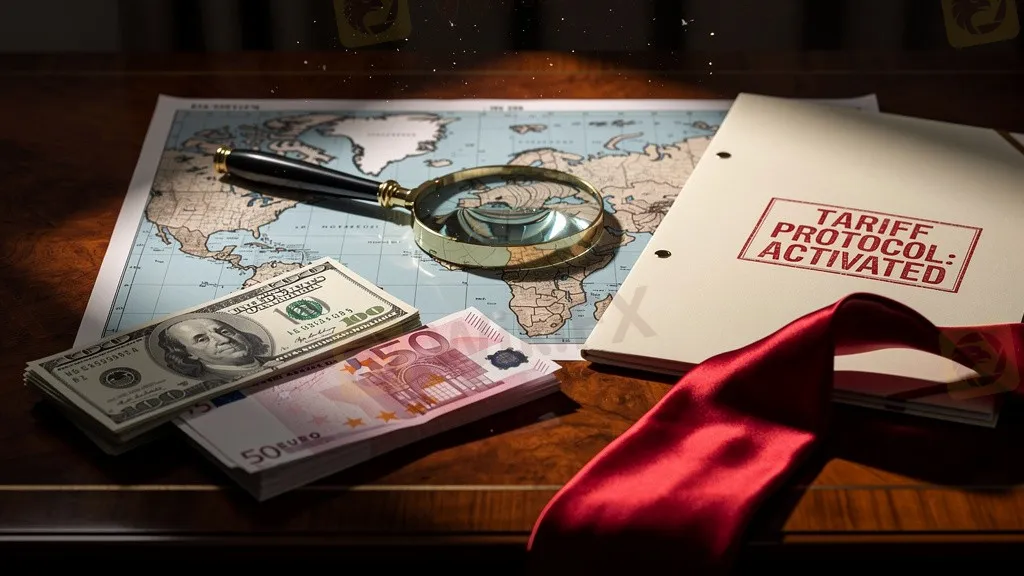
Washington/Brussels — A bizarre diplomatic spat has metastasized into a systemic global market risk. President Donald Trump has explicitly linked new trade tariffs to his administration's objective to “fully and completely” purchase Greenland, overturning traditional diplomatic norms and sending shivers through foreign exchange markets.
The “Greenland or Tariffs” Ultimatum
In a communique confirmed by Norwegian Prime Minister Jonas Gahr Støre, President Trump stated that the U.S. is no longer obligated to “purely consider peace” after being snubbed for the Nobel Peace Prize. The administration announced a 10% tariff on eight European nations—including the UK, France, Germany, and Nordic states—effective immediately, with an escalation to 25% by June 1, 2026, unless a deal for Greenland is reached.
Technicals & FX Market Reaction
- GBP/USD: Managed a modest rally to 1.3414, supported by broad dollar softness.
- EUR/USD: Edged higher as markets priced in a potential ECB hawkish response.
Economic Fallout: UK GDP at Risk
Research firm Capital Economics issued an alert projecting that the proposed tariffs could slash the United Kingdom's GDP by 0.3% to 0.75%. The automotive and pharmaceutical sectors face critical exposure.
In the EU, French President Emmanuel Macron has called for immediate retaliation despite German Chancellor Friedrich Merz's urge for caution due to German export exposure.
“Who Pays?” – The Inflationary Feedback Loop
- A study by the Kiel Institute for the World Economy indicates that 96% of the tariff burden is being shouldered by U.S. consumers and importers.
Analysts warn this self-inflicted inflationary pressure could complicate the Federal Reserve's path, potentially forcing a “higher-for-longer” rate environment that could paradoxically cap the Dollar's upside by choking domestic growth.
WikiFX Broker
Latest News
If you haven't noticed yet, the crypto market is in free fall, but why?
WikiFXEmerging Markets: Nigeria's Debt Market Valuation Hits N99.3 Trillion
WikiFXJPY In Focus: Takaichi Wins Snap Election to Become Japan's First Female Leader
WikiFXAmaraa Capital Scam Alert: Forex Fraud Exposure
WikiFXVebson Scam Exposure: Forex Withdrawal Failures & Fake Regulation Warning
WikiFXEGM Securities Review: Investigating Multiple Withdrawal-related Complaints
WikiFXGalileo FX Exposure: Allegations of Fund Losses Due to Trading Bot-related Issues
WikiFXFed Balance Sheet Mechanics: The Silent Risk to Liquidity
WikiFXGold Eclipses $5,070 as China Treasury Shift Hammers the Dollar
WikiFXSkyLine Guide 2026 Thailand — Official Launch of the Judge Panel Formation!
WikiFXRate Calc
