Emerging Market Contagion: Indonesia Stocks Crash 10% on MSCI Downgrade Threat

Abstract:Indonesian equities have crashed 10% following an MSCI warning about market accessibility, triggering massive foreign capital outflows. The potential reclassification from "Emerging Market" to "Frontier Market" risks alienating billions in institutional funds.
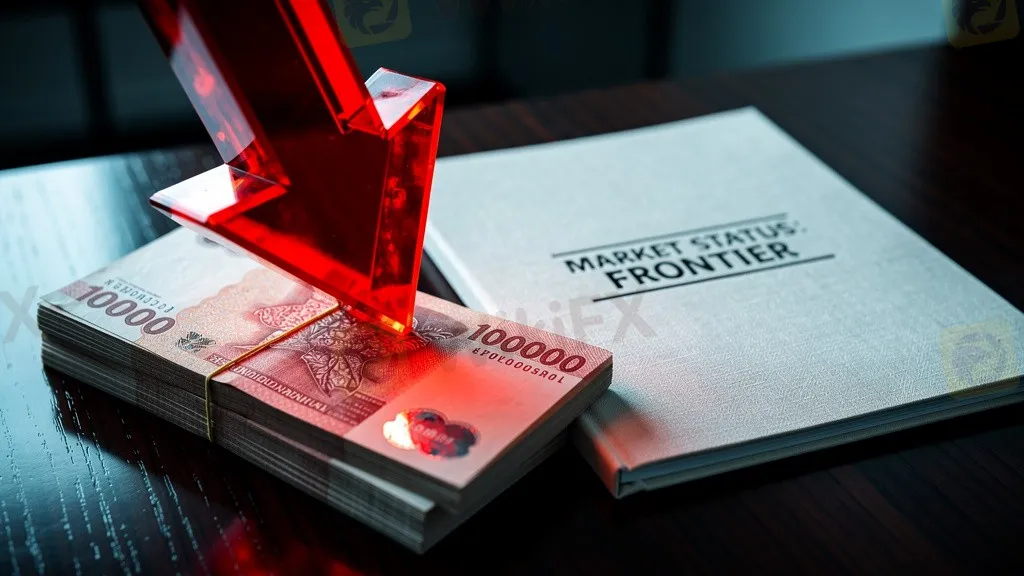
A crisis of confidence has engulfed Southeast Asia's largest economy. The Jakarta Composite Index plummeted 10% on Thursday, extending a two-day rout that marks the worst performance on record. The catalyst is a severe warning from index provider MSCI, which has threatened to reclassify Indonesia from an “Emerging Market” to “Frontier Market” status due to opacity in shareholder reporting rules.
The Institutional Exodus
The threat of a downgrade is toxic for liquidity. Billions of dollars in passive funds track MSCI Emerging Market indices; a downgrade would force these funds to automatically liquidate Indonesian holdings.
- Goldman Sachs immediately downgraded Indonesian equities to “Underweight.”
- Capital Flight: Foreign investors have already net sold $834 million (13.96 trillion IDR) in equities year-to-date. Goldman models predict a potential total outflow of up to $7.8 billion if the downgrade actualizes.
Macro Vulnerabilities Exposed
The equity market crash is exacerbating existing macro headaches for Jakarta. The Indonesian Rupiah (IDR) is trading at record lows, pressured by a strengthening current account deficit and concerns over President Prabowo's fiscal discipline, particularly following the dismissal of the highly respected Finance Minister Sri Mulyani Indrawati.
With the fiscal deficit nearing the statutory 3% of GDP limit and credit growth stalling, the MSCI warning acts as a force multiplier for risk aversion. For Forex traders, the IDR remains a high-risk sell, with contagion risks likely to test sentiment in neighboring currencies like the MYR and THB.
WikiFX Broker
Latest News
WikiFX Invitation Rewards Program
WikiFXMentari Mulia Review : Is This BAPPEBTI-Regulated Indonesian Forex Broker Right for You?
WikiFXEnergy Crisis Deepens: Hormuz Blockade Risks Physical Supply Shock
WikiFXECB Watch: Energy Shock Won't Derail Policy Path, Says Nomura
WikiFXOil War Shock: Diesel Futures Surge 34% as White House Pledges Military Escort for Tankers
WikiFXMiddle East conflict poses fresh test to central banks as oil shock fuels inflation
WikiFXAUD & NZD Slip as Mixed China PMI Data Clouds Recovery Signal
WikiFXNigeria: Tinubu Overhauls Fiscal Team Amid Fuel Price Hike and Inflationary Pressures
WikiFXGlobal Divergence: Eurozone Inflation Fears vs. China's "Value" Play
WikiFXGeopolitical Shock: Reports of Iranian Drone Strike on U.S. Embassy in Riyadh
WikiFXRate Calc
