The Warsh Dilemma: Why the New Fed Nominee Puts Fiscal Plans at Risk

Abstract:Fed Chair nominee Kevin Warsh's hawkish reputation is driving a 'Warsh Trade' in USD, but analysts warn his policy goals may fundamentally clash with White House fiscal expansion.
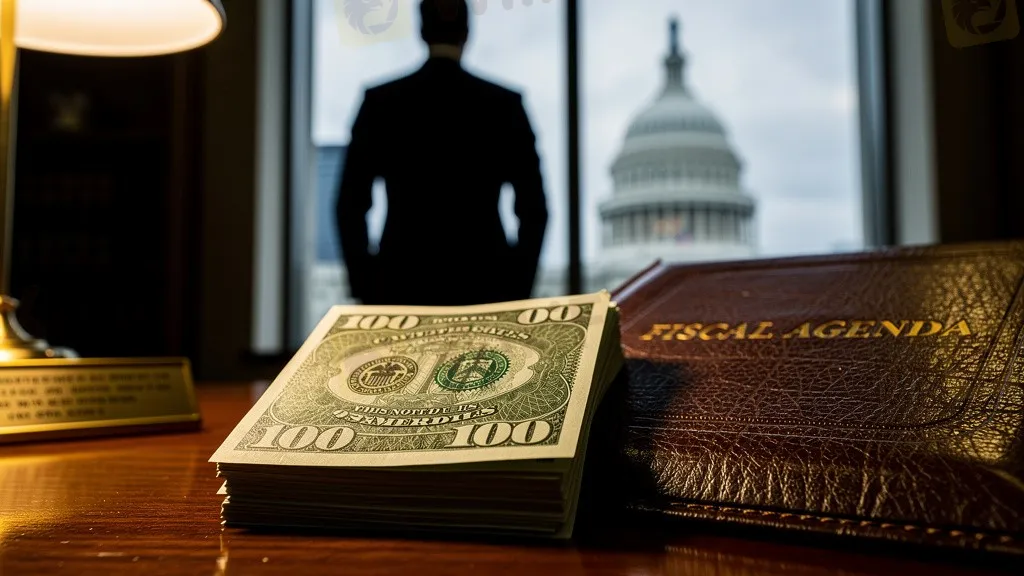
The nomination of Kevin Warsh to succeed Jerome Powell as Federal Reserve Chair has ignited a “Warsh Trade,” sending the US Dollar higher on expectations of a hawkish pivot. However, deep analysis suggests a looming structural conflict between Warsh‘s monetary philosophy and the White House’s fiscal agenda.
The Policy Clash: QT vs. Fiscal Expansion
Warsh has been a vocal critic of the Fed‘s balance sheet expansion, arguing that “Quantitative Easing (QE)” suppresses yields and encourages reckless government spending. His nomination signals a desire for aggressive Quantitative Tightening (QT)—shrinking the Fed’s asset holdings to normalize markets.
This stance is on a collision course with the White House, which favors an expansionary fiscal policy. The administration's agenda relies on the capacity for sustained government borrowing. If Warsh aggressively reduces the Fed's demand for Treasuries (via QT), bond yields could spike, driving up the cost of the government's debt.
The Productivity Gamble
Warshs argument for maintaining higher rates rests on a theory of a “productivity boom” driven by AI and deregulation. He posits that supply-side expansion will naturally suppress inflation, allowing the economy to handle higher structural interest rates.
- The Risk: If this theoretical productivity boom fails to materialize quickly, the economy could be crushed between high interest rates and falling demand, without the “soft landing” cushion.
Independence vs. Influence
While the White House may view Warsh as a disruptor, his commitment to central bank independence is absolute. Analysts warn that the administration's “honeymoon period” could end abruptly if he refuses to cut rates in the face of sticky inflation, or if his balance sheet reduction clashes with the Treasury's need to fund the deficit.
For Forex traders, the “Warsh Trade” is currently pricing in the *upside* (stronger USD, hawkish policy) but ignoring the *tail risk*: a gridlock between monetary contraction and fiscal expansion that could destabilize US bond markets.
WikiFX Broker
Latest News
Asia Market Volatility: KOSPI Stages Historic 12% Rebound as Capital Flows Pivot
WikiFXAssetsFX Review 2026: Is this Broker Safe?
WikiFXFed Beige Book: Stagflation Risks Rise as Growth Stalls While Prices Stick
WikiFXChina Economic Watch: PMI Divergence and "Two Sessions" Signal Structural Shift
WikiFXEmerging Markets: South African Fiscal Strains in Focus Amid Calls for SOE Reform
WikiFXTradeEU Global Review 2026: Is this Forex Broker Legit or a Scam?
WikiFXOil Spikes 9% and Shipping Rates Soar as Middle East Logistics Fracture
WikiFXEvest Broker Review: Regulated, but Complaints Persist
WikiFXIs Eightcap Safe or Scam? Eightcap User Reputation : Looking at Real User Reviews
WikiFXUnderstanding Dbinvesting Deposit and Withdrawal: What Traders Should Know
WikiFXRate Calc
