Global Brokers Expand Into Crypto Trading While Testing Prediction Market Models

Abstract:Regulators are scrutinizing prediction markets as brokers add crypto assets to their platforms. Is innovation outpacing compliance?

Over the past two years, the retail forex brokerage industry has quietly entered a new phase of product diversification. Increasingly, traditional FX and CFD platforms are integrating cryptocurrency trading alongside conventional asset classes, positioning digital assets not as an alternative market — but as an extension of their existing multi-asset offering.
At the same time, however, another adjacent segment built on similar contract logic — prediction markets — is encountering mounting regulatory resistance across multiple jurisdictions.
This divergence is beginning to shape how brokers evaluate their next strategic move.
Brokers Accelerate Crypto Integration
For many global forex brokers, crypto CFDs and spot-linked derivatives have evolved from niche products into core trading instruments.
Multi-asset platforms such as IG, Saxo Bank, and CMC Markets have expanded their digital asset coverage in recent product updates, offering access to Bitcoin, Ethereum, and other major tokens through regulated CFD structures. Meanwhile, offshore-licensed brokers including Bybit-linked derivatives venues and crypto-CFD hybrids have introduced synthetic indices or token-settled instruments aimed at attracting retail traders seeking 24/7 exposure.
From an operational standpoint, integrating crypto markets allows brokers to:
- Extend trading hours beyond traditional FX sessions
- Capture volatility-driven volume during macroeconomic uncertainty
- Offset declining retail participation in low-volatility currency environments
This trend reflects a broader structural shift: as crypto markets mature and institutional custody solutions improve, regulators in several regions have become more willing to treat certain digital-asset derivatives as financial instruments rather than purely speculative products.
Prediction Markets: Familiar Structure, Different Regulatory Path
While crypto integration has moved cautiously toward legitimacy in many jurisdictions, prediction platforms have encountered a more complex reception.
Event-based trading models offered by platforms such as Kalshi and Polymarket allow users to speculate on outcomes — elections, inflation data, sports events — using contracts that settle based on binary “yes/no” propositions.
Structurally, these instruments resemble traditional binary options, which were widely banned in retail markets following fraud scandals in the mid-2010s.
Regulators appear increasingly sensitive to that resemblance.
In February 2026, the Netherlands Gambling Authority ordered Polymarkets affiliate to cease operations for offering unlicensed wagering services to Dutch residents, warning that such contracts were not permitted under national gambling law. Authorities stated the company must “cease its activities immediately” or face financial penalties.
The Dutch intervention follows a series of earlier restrictions elsewhere:
- Poland and Singapore added Polymarket to national gambling blacklists in January 2025
- Belgiums gaming regulator formally banned access to the platform in February 2025
Collectively, these measures highlight how prediction markets continue to straddle an uneasy line between financial derivatives and betting products — a distinction that varies significantly by jurisdiction.
Implications for Forex and CFD Brokers
For forex brokers evaluating product expansion strategies, the diverging regulatory trajectories of crypto and event-based contracts introduce both opportunity and risk.
On one hand, crypto-linked CFDs are increasingly framed within established derivatives oversight frameworks, particularly when leverage limits and disclosure requirements mirror existing retail protections.
On the other, prediction-style contracts may expose platforms to legal ambiguity even when marketed as financial hedging tools. In markets where such instruments are interpreted as wagering products rather than derivatives, licensing requirements can shift from financial regulators to gaming authorities — or prohibit access altogether.
As a result, brokers experimenting with binary-outcome trading models or event-linked indices may face:
- Cross-border licensing conflicts
- Marketing restrictions tied to gambling law
- Enhanced scrutiny around retail risk disclosures
For retail participants, the distinction between crypto derivatives and outcome-based contracts is not always obvious — yet regulatory treatment of the two may differ dramatically.
A Market Still Finding Its Boundaries
The parallel rise of crypto trading and prediction platforms illustrates how quickly the definition of “financial instruments” continues to evolve.
Innovation remains active across brokerage platforms seeking new engagement channels, but regulatory frameworks are moving at uneven speeds. As enforcement actions spread across Europe and beyond, brokers integrating non-traditional asset classes may increasingly find compliance considerations shaping their product roadmaps.
For traders following these developments, monitoring both platform offerings and licensing status remains essential — particularly as the line between speculation and structured derivatives becomes harder to define.
Stay Informed with WikiFX
As more brokers expand into crypto assets and event-based trading models, verifying a platforms regulatory standing and operational background is becoming increasingly important.
WikiFX provides traders with access to up-to-date information on broker licenses, risk alerts, user ratings, and exposure reports across global markets. By reviewing this data regularly, users can gain a clearer understanding of the potential risks behind emerging products or trading models before making any investment decisions.

Read more

Is Herofx a Real Company? A Fact-Based Look at This Risky Trading Platform
Many people who trade online, whether they're just starting out or have been doing it for years, want to know: "Is Herofx legit?" When you look online, you'll find a confusing mix of information. Some people write great reviews, while others say it's a "Herofx scam." This makes it really hard to figure out if it's safe to invest with this company. Our goal in this article is to clear up the confusion. We'll do a complete and fair check based only on facts we can verify, reports from real users, and official information from WikiFX, a website that checks trading companies worldwide. We won't just repeat what the company says about itself or trust anonymous positive reviews. Instead, we'll show you the real evidence and give you a clear answer about the risks of using Herofx, so you can make a smart and safe choice for your trading.
Herofx Complete Review: A Detailed Look at a High-Risk, Unregulated Broker
If you are looking for a Herofx review, your main question is probably about its safety and whether it's legitimate. Let's answer that right away. After carefully studying how it works and what users have experienced, Herofx presents a major risk to traders. The main problem is that it's an unregulated broker. Registered in Saint Lucia, Herofx operates without supervision from any top-level financial authority, which is essential for keeping client capital safe and ensuring fair trading practices. This lack of regulation shows up in its extremely low score of 2.04 out of 10 on independent broker checking platforms such as WikiFX, which clearly warns traders to stay away. Our research shows a pattern of serious problems, from questionable fees to major platform failures. This review will give you an objective, fact-based analysis of Herofx's regulatory standing, advertised trading conditions, user-reported problems, and our final, clear verdict. We strongly encourage you to consider th
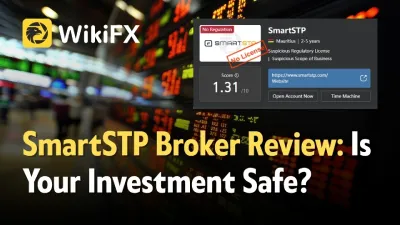
SmartSTP Scam Warning? Unbiased Review, Regulation & 2025 Exposure Cases
Considering SmartSTP for Forex trading? Read our in-depth SmartSTP review to uncover critical regulation gaps, alarming WikiFX scores, and real 2025 scam reports. Protect your funds – learn the truth before you SmartSTP login.
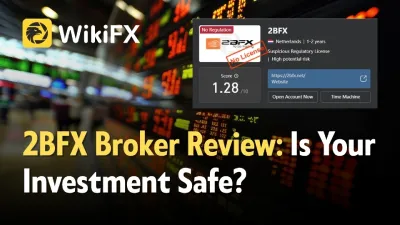
2BFX Scam Warning? Unbiased Review, Regulation & 2025 Exposure Cases
Considering 2BFX for Forex trading? Read our in-depth 2BFX review to uncover critical regulation gaps, alarming WikiFX scores, and real 2025 scam reports. Protect your funds – learn the truth before you 2BFX login.
WikiFX Broker
Latest News
Warning: Is FIBOGROUP Broker Safe? The Dark Reality of Withheld Funds
WikiFX"Let Trust Be Seen" WikiFX Industry Initiative Recap, Driving the forex industry toward a more trust
WikiFXYou Must Know How These Psychological Traps Destroy Financial Judgment
WikiFXAllied Top Review 2026: Is this Forex Broker Legit or a Scam?
WikiFX"Let Trust Be Seen" WikiFX Industry Initiative Recap, Driving the forex industry toward a more trust
WikiFXDeriv Review 2026: Is this Forex Broker Legit or a Scam?
WikiFXDubai Warning Issued After Fraudsters Impersonate a Legitimate DIFC Financial Firm
WikiFXItaly Blocks 32 More Unauthorized Financial Websites
WikiFXNew Traders Keep Losing — And It's Not Because of Their Strategy
WikiFXFXTM Moves to Deepen UAE Presence with Planned Licence Upgrade
WikiFXRate Calc
