WTI Surges 8.5% Amid Hormuz Crisis; US Treasury Weighs Futures Intervention

Abstract:Oil prices recorded their largest single-day rally since 2020 as conflict in the Hormuz Strait intensifies, prompting the White House to consider unprecedented intervention in futures markets.
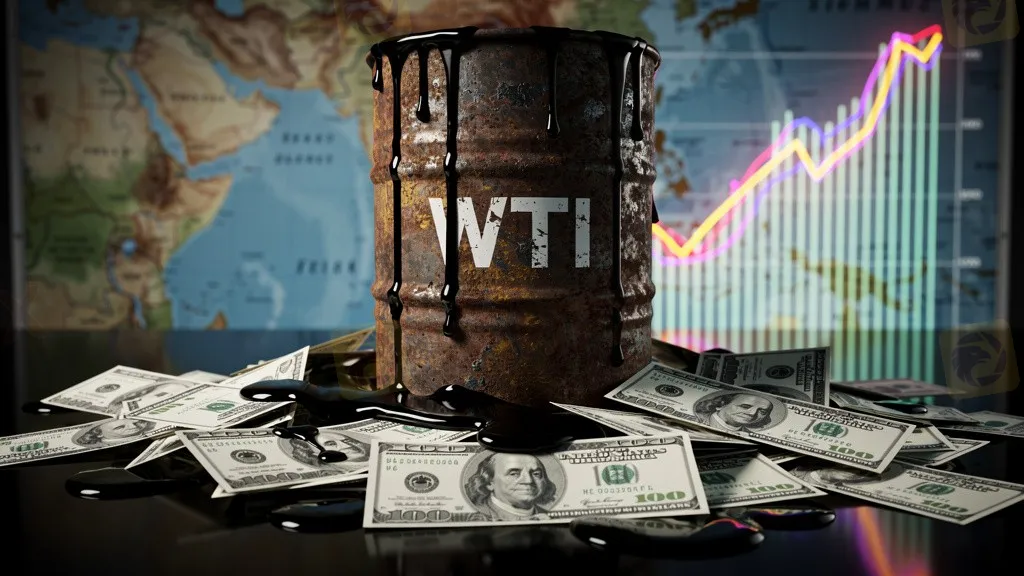
Crude oil markets witnessed an explosive rally on Thursday, with WTI surging 8.5% to settle near $81.00, marking its largest single-day percentage gain since 2020. The spike was driven by escalating geopolitical tensions in the Middle East, including reports of a US tanker being struck by a missile and Iranian claims regarding the closure of the strategic Hormuz Strait.
Supply Chain Shock
The unparalleled volatility stems from conflicting reports regarding the navigability of the Strait of Hormuz, a chokepoint for roughly 20% of the world's oil supply. While Iranian military officials claimed the strait is “under control” and effectively closed to hostile vessels, tracking data indicates commercial traffic has plummeted by over 95% as insurers pull coverage.
The supply disruption is already materializing in physical markets:
- WTI intraday highs breached $82.00.
- Brent Crude settled up nearly 5% at $85.41.
- US retail gasoline prices jumped 27 cents in a week.
Washington's Crisis Response
In a move that underscores the severity of the inflationary threat, White House officials revealed that the US Treasury is evaluating “unprecedented” options to stabilize prices. Beyond the traditional release of Strategic Petroleum Reserves (SPR), the Trump administration is reportedly considering direct intervention in oil futures markets—financial engineering aimed at crushing speculative premiums.
Despite the market turmoil, President Donald Trump downplayed the immediate price action, stating, “If it goes up, it goes up,” prioritizing the ongoing military campaign. However, the disconnect between the President's rhetoric and the Treasury's frantic contingency planning suggests deep concern over potential stagflationary headwinds facing the US economy.
Analyst View
Market participants warn that if the Hormuz blockade persists, oil could target the $95-$100 range rapidly. The resurgence of energy inflation complicates the Federal Reserve's path, with traders now pricing in a reduced probability (below 50%) of two rate cuts this year.
WikiFX Broker
Latest News
Asia Market Volatility: KOSPI Stages Historic 12% Rebound as Capital Flows Pivot
WikiFXAssetsFX Review 2026: Is this Broker Safe?
WikiFXFed Beige Book: Stagflation Risks Rise as Growth Stalls While Prices Stick
WikiFXChina Economic Watch: PMI Divergence and "Two Sessions" Signal Structural Shift
WikiFXEmerging Markets: South African Fiscal Strains in Focus Amid Calls for SOE Reform
WikiFXTradeEU Global Review 2026: Is this Forex Broker Legit or a Scam?
WikiFXOil Spikes 9% and Shipping Rates Soar as Middle East Logistics Fracture
WikiFXEvest Broker Review: Regulated, but Complaints Persist
WikiFXIs Eightcap Safe or Scam? Eightcap User Reputation : Looking at Real User Reviews
WikiFXUnderstanding Dbinvesting Deposit and Withdrawal: What Traders Should Know
WikiFXRate Calc
