eToro Review: Safety, Regulation & Forex Trading Details
Abstract:eToro is a globally recognized broker with top-tier regulation from authorities like the FCA and ASIC, though recent WikiFX data shows a rising number of user complaints regarding withdrawal delays and offshore account transfers. While the platform is an established player in the Forex market, investors must remain highly cautious about high-risk CFD trading and potential platform freezes.
Key Takeaways
- eToro holds valid, active licenses from major regulators including the FCA (UK), CYSEC (Cyprus), and ASIC (Australia).
- Recent market data reveals that ASIC took legal action in 2023 regarding the broker's risky CFD market practices, noting a high loss rate for retail investors.
- Multiple user reviews highlight safety concerns, focusing on slow withdrawals and unwanted transfers of accounts to offshore regulation in the Seychelles.
- There are multiple clone warnings from the FCA, meaning many fake websites are pretending to be eToro to target investors.
eToro Broker Summary: Safety Score and Key Issues
When looking for a reliable eToro broker account, understanding the overall safety profile is the first critical step. Founded in 2010 with its headquarters in the UK, eToro has built a massive global presence, earning a 7.58 score on WikiFX. The platform uses its own proprietary trading software available on mobile devices, supporting 24 different languages to cater to a global audience.
However, high ratings do not mean zero risk. While the main eToro operations are legal and well-established, recent WikiFX records show over 40 user complaints in a short period. The major issues involve users losing money due to high-risk market conditions and reporting unusual activities with customer support when trying to close trades. Additionally, as you prepare to login eToro platforms, you should note that its proprietary software lacks advanced two-step verification and biometric authentication, which raises minor software safety concerns according to technical data.
eToro Regulation: Is the License Real?
Checking the eToro regulation status reveals a complex, multi-layered legal structure. The broker holds multiple valid licenses across various regions, but also operates an offshore entity.
| Regulator | License Type | Status |
|---|---|---|
| FCA (UK) | Financial Conduct Authority | Regulated |
| CYSEC (Cyprus) | Securities and Exchange Commission | Regulated |
| ASIC (Australia) | Securities & Investments Commission | Regulated |
| FSA (Seychelles) | Financial Services Authority | Offshore Regulatory |
| ADGM (UAE) | Abu Dhabi Global Market | Regulated |
| MAS (Singapore) | Monetary Authority of Singapore | Regulated |
The eToro Forex licenses are generally strong, but recent regulatory disclosures highlight critical safety concerns for everyday investors. In August 2023, ASIC filed a lawsuit against eToro for offering high-risk CFD products to retail investors who did not have the right financial knowledge. ASIC reported that almost 20,000 clients lost money between 2021 and 2023, pointing out that 77% of retail investor accounts lose money when trading CFDs with this broker. Furthermore, in March 2024, the SEC in the Philippines issued a public warning that the platform was operating locally without proper registration, putting local citizens at high risk.
Additionally, traders must be incredibly careful of fake websites. The FCA and the CNMV (Spain) have published regular warnings between 2023 and 2026 regarding clone companies (like Finvoire and AI-Arbitrage) that illegally use the real broker's name, email addresses, and registration numbers to trick investors.
User Reviews: Withdrawal Delays and Account Migration Complaints
Reading a real review eToro users have left on WikiFX provides valuable context beyond the official regulations. Recent complaints from 2024 and 2025 point to highly stressful experiences for retail traders across the globe.
One major safety concern is the forced transfer of accounts to offshore zones. A trader from Morocco reported in 2025 that their account was quietly moved from the strict ASIC regulation in Australia to the offshore FSA regulation in the Seychelles. This action stripped away their legal protections, ultimately leading to a massive loss of $170,000 and a debt of $200,000 due to alleged platform failures and unfair slippage.
A similar complaint from Taiwan in 2024 confirmed that users were asked to change their regulatory region to continue trading, exposing them to hidden risks.
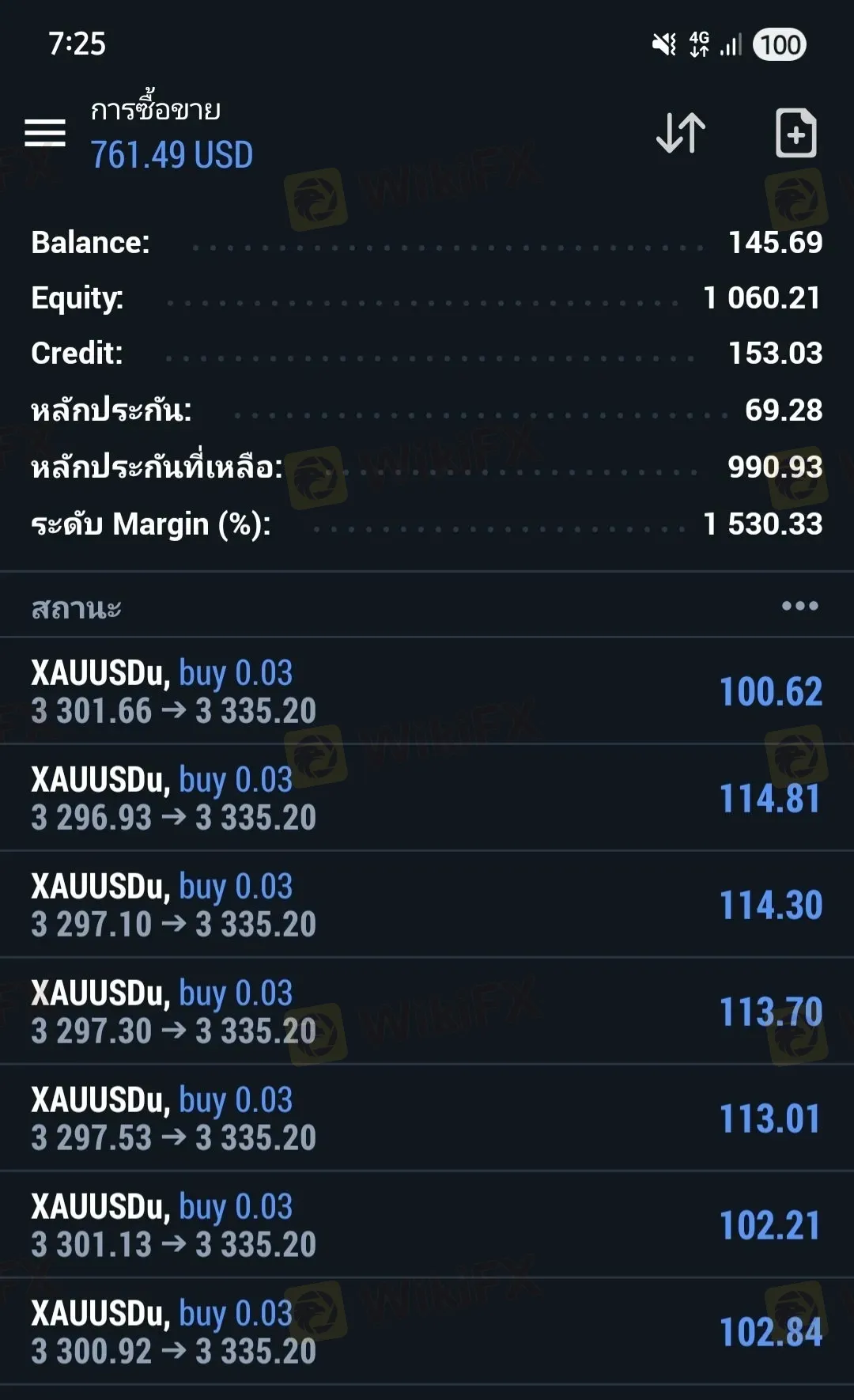
In addition to migration issues, traders from Thailand and Indonesia noted repeated withdrawal delays in 2024 and 2025. Users described the platform freezing during critical price changes, preventing them from buying or closing positions safely. When these traders reached out for help, they reported that customer support was unhelpful or completely ignored their requests, leaving them unable to access their funds.
Another report from Mexico in 2024 detailed a close call with a mimicry scam, reinforcing the need to carefully verify the official website URL before every login eToro attempt.
Conclusion: Final eToro Review Recommendation
To conclude this review eToro remains a highly popular global broker with legitimate, tier-1 regulation from the FCA, CYSEC, and ASIC. It is a real company with a massive global footprint. However, the legal action from ASIC in 2023 and the warnings from the SEC in 2024 prove that trading high-risk CFDs on this platform can be very dangerous, especially for beginners who do not understand market volatility.
If you choose to use the eToro Forex platform, you must verify exactly which regulatory body controls your specific account. As WikiFX records clearly show, being moved to offshore entities like the Seychelles removes crucial safety nets and legal protections. Always test withdrawals with small amounts first, be highly aware of high-risk market spread changes, and ensure you are on the actual official website to avoid losing money to dangerous clone scams.

WikiFX Broker
Latest News
LONG ASIA News on Trading: Wrong NZ FMA Authorization Claims, Non-stop User Allegations
 WikiFX
traze Exposure: Does the Broker Execute Trades During Non-Market Hours?
WikiFXWhy Small Position Sizes and Less Trading Keep You Alive
WikiFXDecoding Currency Pairs and Finding the Right Broker Account
WikiFXYen Stabilizes While Gold Prices Slip
WikiFXState Street Group Review 2026: Ponzi Scheme Warnings, Unverified Regulation, and Extreme Risk
WikiFXMan Loses Over RM400,000 in Stock Investment Scheme
WikiFXEveryone Talks About AI’s Power. Few Ask What It Does to Financial Decisions
WikiFXFCA-Regulated Forex Brokers Are Declining — 31 Platforms to Avoid
WikiFXFXORO Review: The Dark Side of a Market Maker Exposed
WikiFXRate Calc

