CHINA FUTURES Regulation: Status of China Securities Futures
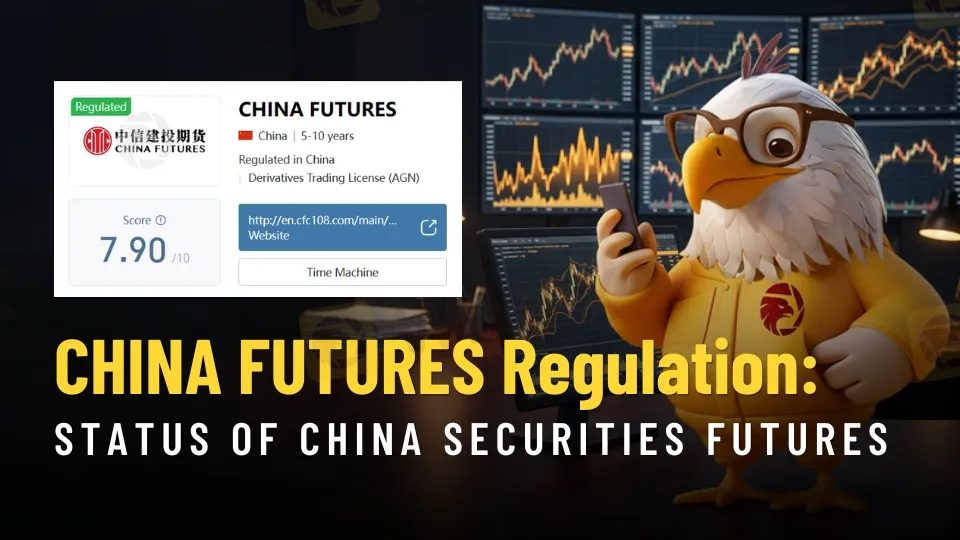
Abstract:Verified facts on CHINA FUTURES regulation. Learn about the CSRC licensing and compliance of China Securities Futures Co., Ltd. for secure trading.
Introduction to China Securities Futures Co., Ltd.
In the high-stakes arena of global derivatives, “trust but verify” is a survival strategy. China Securities Futures Co., Ltd. (operating under the brand CHINA FUTURES) is a central pillar of mainland Chinas financial architecture. Headquartered in Beijing, the firm facilitates significant trade volumes across agricultural commodities, industrial metals, and financial indices. As China opens its capital markets, the scrutiny on domestic brokers has intensified, making an understanding of their regulatory roots critical for any participant.
Navigating a state-led financial system requires looking past market noise. The operational reality of this broker is grounded in a robust legal framework designed to minimize systemic risk. Whether you are an institutional hedger or a retail speculator, the legitimacy of your counterparty is the essential starting point for market entry.
Is China Futures Co Ltd Regulated?
Yes, China Securities Futures Co., Ltd. is a strictly regulated financial institution. It operates under the direct ministerial oversight of the China Securities Regulatory Commission (CSRC). The CSRC is the primary authority responsible for maintaining market order and protecting participants within the Peoples Republic of China. Unlike offshore entities, this firm is a foundational member of the domestic financial grid, adhering to stringent capital adequacy and reporting standards.
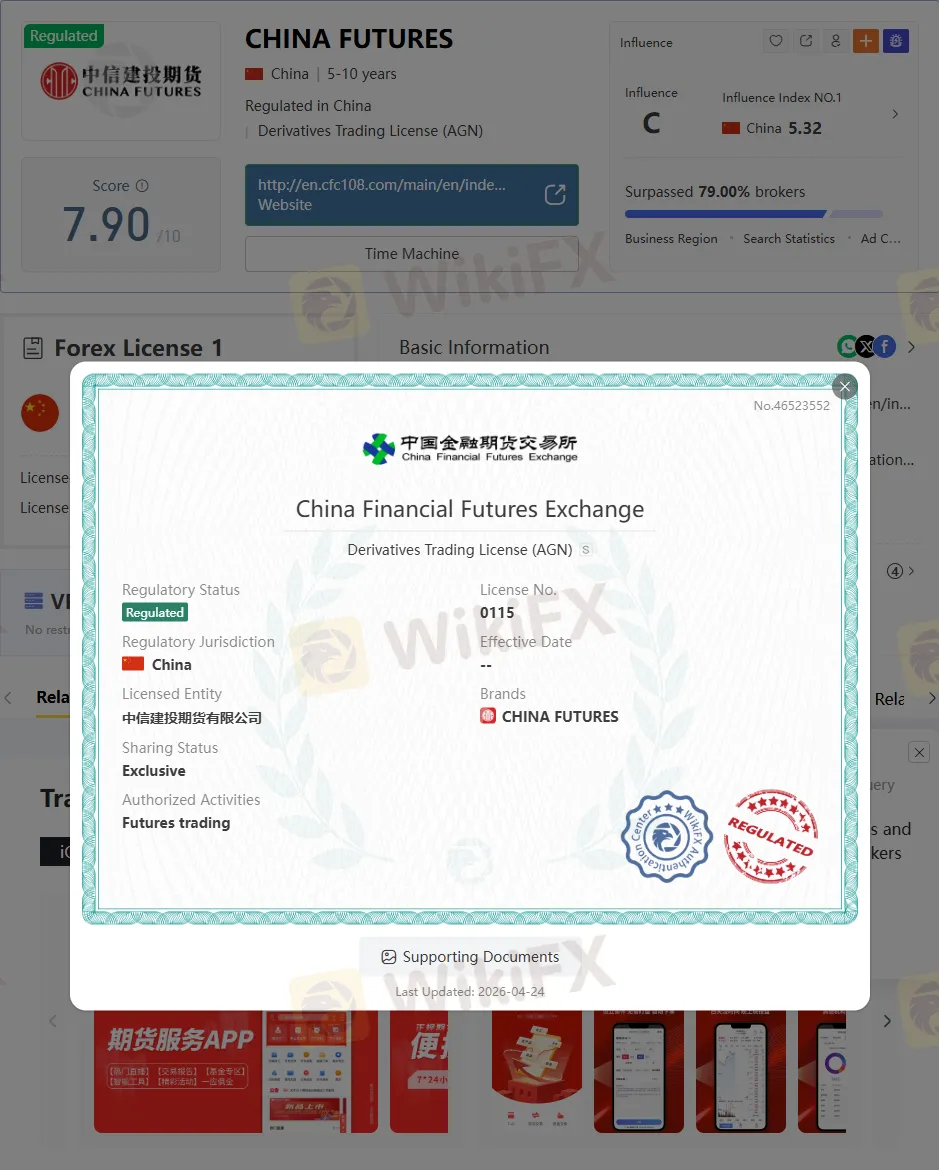
Beyond the CSRC, the firm holds a Derivatives Trading License (AGN) issued by the China Financial Futures Exchange (CFFEX), identified as License No. 0115. This license grants them the authority to clear and settle complex products, including treasury bond and stock index futures. Maintaining this status confirms their capability to handle high-volume transactions under the watchful eye of state-level clearing centers.
What Is The Current Regulation CHINA FUTURES Status?
The current regulation CHINA FUTURES status is officially classified as “Regulated.” This designation results from continuous compliance with the Futures and Derivatives Law (FDL). This legislation formalized “penetrating supervision,” allowing the government to track transactions to the ultimate beneficial owner. For this broker, the status signifies that their internal risk control—which carries a high rating of 9.71—meets rigorous safety requirements.
Under the regulation CHINA FUTURES framework, the firm mandates a “one account, one code” system. This ensures client funds are never commingled with corporate capital. In periods of market turbulence, these safeguards protect the integrity of individual trader margins. The brokers long-standing persistence, spanning 5 to 10 years, reinforces its position as a stable gateway into the Chinese derivatives market.
Frequently Asked Questions:
- Who is the primary regulator for China Securities Futures?
The China Securities Regulatory Commission (CSRC) provides the primary ministerial oversight for all futures activities within the mainland.
- What is License No. 0115?
This is a Derivatives Trading License issued by the CFFEX, authorizing the firm to conduct regulated futures activities.
- Is my money safe?
Client funds are protected by mandatory segregation and monitored daily by the China Futures Market Monitoring Center.
- How long has it operated?
The firm has maintained its regulated operations for over five years, establishing a solid track record in China.
- What is its WikiFX score?
It holds a strong score of 7.90/10, reflecting high marks in risk control and regulatory compliance.
How Can I Verify The Regulation CHINA FUTURES Compliance?
Verifying compliance involves multiple transparent channels. The most direct method is the China Futures Association (CFA) member registry. As a self-regulatory organization under the CSRC, the CFA maintains a public database of licensed firms. Any discrepancy between a firms claims and this registry is a primary red flag.
Additionally, checking License No. 0115 against the CFFEX directory confirms clearing privileges. For a comprehensive health check, professional monitoring platforms provide scores based on five metrics: License, Business, Software, Risk Control, and Regulatory Indices. For this broker, high scores in Risk Control and Regulation indicate a firm that is actively audited to meet modern financial standards.
Is China Futures A Safe Broker For International Traders?
Safety is grounded in the “one account, one code” system. The regulation CHINA FUTURES framework requires transactions to be cleared through the exchange with a unique identifier, eliminating broker-level price manipulation. Furthermore, the China Futures Market Monitoring Center (CFMMC) allows investors to log into a neutral, state-run portal to verify account balances and trade history independently.
The firms influence index is currently ranked No. 1 in China, indicating a massive institutional footprint. For international traders accessing the market via the QFI scheme, partnering with a domestic giant with a decade of regulated history is the most logical way to mitigate non-market risks.
Essential Features Of The WikiFX App
The WikiFX App offers specialized features to bridge the gap between official data and real-world performance:
- License Authentication: Instantly verify if the CFFEX or CSRC license is currently active.
- Field Survey Reports: View 360-degree VR videos of the brokers physical offices in China.
- Risk Warning System: Receive notifications regarding legal disputes or abnormal capital fluctuations.
- Exposure Platform: Read verified user complaints to identify potential issues before they affect your capital.
- WikiScore Breakdown: See the specific data driving the brokers rating, from software stability to compliance history.
Conclusion
China Securities Futures Co., Ltd. is a cornerstone of the mainland market, backed by a robust regulatory framework. The oversight provided by the CSRC and CFFEX, combined with the legal protections of the FDL, creates a secure environment for derivatives trading. By utilizing data-driven tools like the WikiFX App, investors can navigate the market with the assurance that they are backed by a legitimate, state-sanctioned institution.

Read more
Spreadex Review: Wider Spread & Unexplained Account Closure Allegations for This 2-Decade-Old Broker
Did you incur trading losses on the Spreadex platform due to wider spreads? Have you experienced delays in trade processing by the United Kingdom-based forex broker? Has your Spreadex trading account been closed without any explanation? You are not alone! Many traders have expressed concerns on online broker review platforms. In this Spreadex review 2026, we have covered user allegations and provided a regulatory framework the broker operates under.
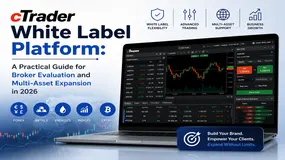
cTrader White Label Platform: A Practical Guide for Broker Evaluation and Multi-Asset Expansion in 2
A broker can launch a white-label platform quickly and still fail the first serious operating test. The failure often begins quietly: an assets expansion has been approved, the client app is branded, and a new account journey looks complete. Then a client asks why a trade-related status, funding hand-off, or account restriction looks different across channels. Support cannot see the same reference trail as operations. The product owns the screen, but no one owns the explanation. The issue is not a missing feature. It is an untested operating model. That is why a cTrader white label platform should be evaluated as a route to a multi-asset service - not as a shortcut to a more attractive terminal. The central question is whether the broker can add instruments, client channels, integrations, and service capacity without making its controls harder to operate or explain.
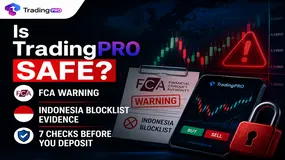
Is TradingPRO Safe? FCA Warning, Indonesia Blocklist Evidence, and 7 Checks Before You Deposit
This Trading Pro broker review checks the FCA warning, Indonesia blocklist evidence, licence claims, and what South Asian users should verify before depositing.
MT4 White Label Cost in 2026: What Brokers Must Budget Beyond the Platform Fee
The visible fee in an MT4 white label proposal is rarely the real cost of operating it. For an existing broker, the decision is not simply whether an MT4 white label platform is “cheap” or “expensive.” The real question is whether the commercial model remains viable after integration, support, data, client migration, compliance, and exit costs are included. That is why an MT4 white label cost review should be built as a 24- to 36-month operating case. It should compare three credible choices: 1. Keep the present MT4 setup and improve its weakest controls. 2. Replace the MT4 white label provider but retain the client proposition. 3. Migrate selected clients or products to another platform while running MT4 in parallel. This guide explains how to build that case without relying on headline prices or generic vendor claims.
WikiFX Broker
Latest News
OtetMarkets Review: Traders Report Frozen Funds and Withdrawal Blocks , Score Sits at 2.00
 WikiFX
Is Octa Safe for Malaysian Traders? Deep Dive into Octa's Regulatory Status
WikiFXPocket Broker Review: Is Your Deposit Safe?
WikiFXReview 2026: Dollars Markets Regulation, Withdrawal Complaints, and Platform Risks
WikiFXCapital Guard Liquidated: $17.4m Raised, Most Funds Gone
WikiFXWhy the Dollar Moves Almost Every Forex Pair
WikiFXBX Trade Review: Is This Unregulated Broker Worth the Risk?
WikiFXSTMARKET Review: Withdrawal Complaints Cloud a Low-Rated Broker, What to Know Before You Deposit
WikiFXDeriv Review: What Traders Should Know Before Depositing
WikiFXDollar Steadies as Rupee Finds Market Support
WikiFXRate Calc

