EGRs vs ETFs - Which is a Better Way to Invest in Gold?

Abstract:The National Stock Exchange (NSE) recently launched Electronic Gold Receipts (EGRs), a digital way to invest in exchange-backed physical gold. A little less than four years ago, the Bombay Stock Exchange (BSE) introduced EGRs in October 2022. Gold Exchange Traded Funds (ETFs), another useful way to invest in gold, have already been in the market for a long time. So, the debate keeps happening on EGRs vs ETFs among gold buyers in India. In this article, we have defined and compared these two to find which one benefits you more.
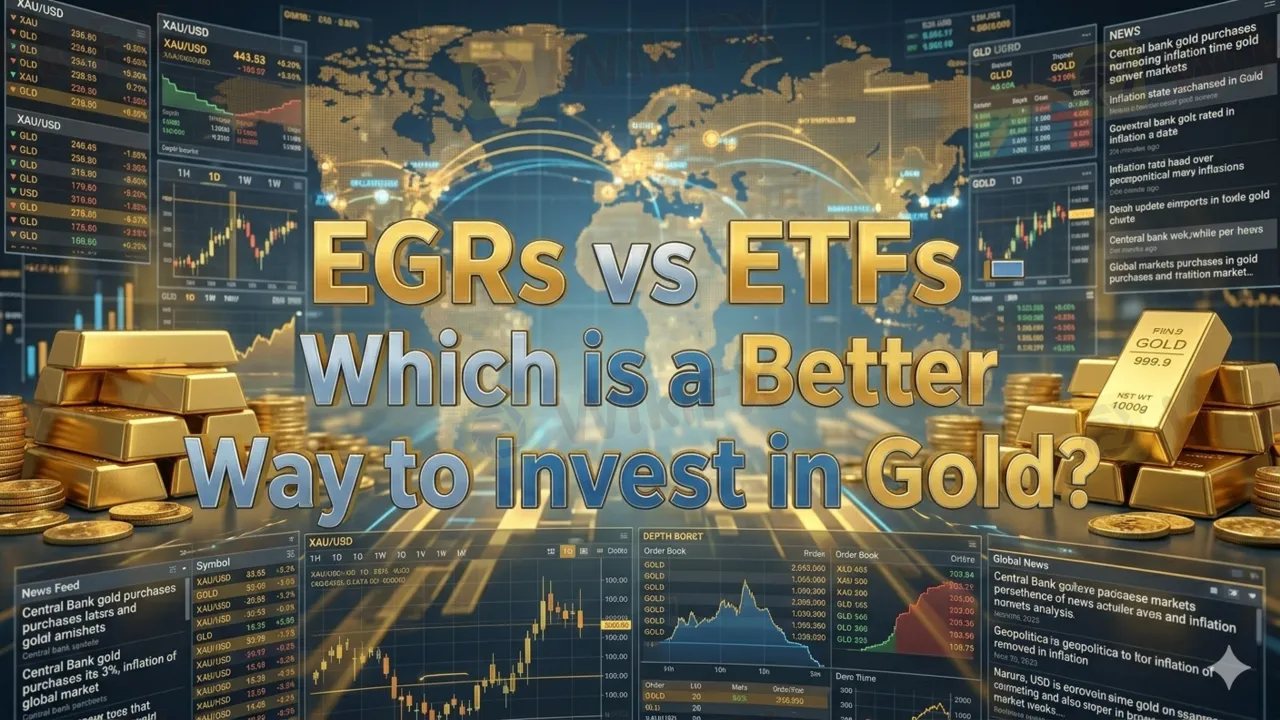
The National Stock Exchange (NSE) recently launched Electronic Gold Receipts (EGRs), a digital way to invest in exchange-backed physical gold. A little less than four years ago, the Bombay Stock Exchange (BSE) introduced EGRs in October 2022. Gold Exchange Traded Funds (ETFs), another useful way to invest in gold, have already been in the market for a long time. So, the debate keeps happening on EGRs vs ETFs among gold buyers in India. In this article, we have defined and compared these two to find which one benefits you more.
Gold ETF Definition
Gold ETFs are a type of mutual fund scheme that predominantly invests your capital in gold bullion. The primary characteristic of these funds is their ability to track gold prices and be traded on stock exchanges just as equities. You can perceive a gold ETF as a fund that contains gold holdings for its investors. The fund‘s value depends largely on the gold’s price, which can fluctuate based on its demand and supply besides other factors such as geopolitical environment. Asset management companies, which typically manage gold ETFs, charge fund management expenses to users.
Gold EGRs - What Do They Mean?
EGRs are a new-age digital gold investment with a strict regulatory backing from the Securities and Exchange Board of India (SEBI). Investors, after buying EGRs, can gain ownership of the exchange-traded units backed directly by physical gold in secure and approved vaults. They epitomize gold of high purity, somewhere around 99.99%. Available in a demat format, one can buy and sell EGRs through stock exchanges and can also have them converted into physical gold or coins using the prescribed redemption process.
Key Difference Between EGRs and Gold ETFs
Both EGRs and ETFs hold their respective USPs. On some aspects, EGRs score more, on others, ETFs do better. Lets compare the two based on various aspects below.
Gold ETFs - A Better Alternative for Liquidity
Gold ETFs maintain a massive adoption among retail and institutional investors simply because they are familiar with this product and the sheer ease of trading they experience with it. Despite EGRs being seen as a potentially stronger investment avenue for some long-term participants, market commentators reckon that EGRs still require enhanced liquidity and greater participation to compete with ETFs on this aspect.
EGRs Score More on Long-Term Savings Potential
EGRs are likely to prove more cost-effective compared to gold ETFs for investors over the long term. ETFs generally charge annual fees of around 50-100 basis points. However, vault expenses concerning EGRs are remarkably less. According to experts, investors can cumulatively generate significantly higher savings over five to ten years, especially for investors holding large portfolios or those following an institutional investment style.
In comparison, gold ETFs can pose tracking discrepancies for investors sometimes due to expenses and structural costs concerning funds.
Seamless Access to EGR Trading on Several Platforms Still Missing
EGRs still go through numerous operational constraints, especially on the brokerage front. Several trading platforms are yet to provide investors with seamless EGR trading access. This has led to limited participation despite increasing awareness among investors of their importance.
Taxation
If you sell gold ETFs within 12 months of buying the instrument, you will be levied a short-term capital gain tax. Profits realized by selling ETFs after a year of holding will be classified as long-term gains. They will attract a tax rate of 12.5% without indexation benefits. The taxation structure for EGRs follows a similar framework. However, the 3% Goods and Services Tax (GST) imposition by the government of India on investors choosing to convert EGRs into physical gold makes the entire conversion process less attractive.
The Process to Purchase Gold ETFs
- Start by opening a demat and trading account with a SEBI-authorized broker. You need to complete the e-KYC process by mentioning bank account, PAN and Aadhaar details.
- Deposit capital to your trading account using your linked bank account.
- Log in to the trading platform and pick the best Gold ETF from the ETF or equity section.
- Choose the number of units or investment amount, place a limit or market order, and purchase the ETFs during the trading hours. You will receive the ETF units in your demat account.
The Process to Purchase Gold EGRs
- You need to ensure the broker you are looking to associate with is authorized to offer gold EGRs on recognized stock exchanges such as NSE or BSE.
- Search for the relevant EGR on the brokers application.
- Add capital to the trading account before placing orders on the platform.
- You can buy and sell gold EGRs just as listed stocks. At the same time, the physical gold will remain stored in safe, authorized vaults.
Conclusion
ETFs hold a stronger edge because of a larger market penetration over the years. EGRs, in comparison, are a new form of gold trading. It will take some time for the EGRs to attain solid liquidity. As a fact, gold ETF Asset Under Management (AUM) surpassed INR 1.78 lakh crore, serving over 1.24 crore investors. However, the potentially larger long-term savings with EGRs tilt the game in balance. It all boils down to individual investor needs and preferences. If you want more liquidity, an ETF is the go-to investment for you. However, if you are eyeing long-term savings and can wait, consider investing some in gold EGRs.
Frequently Asked Questions (FAQs)
1. What is the main difference between Gold ETFs and EGRs?
Gold ETFs are a type of mutual funds that track gold prices and are managed by asset management companies (AMCs). EGRs, on the other hand, represent direct ownership of physical gold stored in SEBI-approved vaults. While both trade on stock exchanges, EGRs are backed more directly by physical gold.
2. Are EGRs safer than Gold ETFs?
Both Gold ETFs and EGRs operate under the oversight of the Securities and Exchange Board of India. However, EGRs are specifically linked to physical gold stored in authorized vaults, whereas ETFs involve fund structures and management expenses. Safety ultimately depends on the product structure, regulatory compliance, and the broker or platform you use.
3. Which option offers better liquidity in India: EGRs or Gold ETFs?
Currently, Gold ETFs generally offer improved liquidity because they have existed longer and enjoy broader participation from retail and institutional investors. EGR trading is still developing, and not all brokerage platforms can offer seamless access to this.
4. Can EGRs be converted into physical gold?
Yes. One of the key advantages of EGRs is that investors can redeem them for physical gold or coins through the prescribed exchange and vault redemption process. However, converting EGRs into physical gold may attract additional charges, including 3% GST.
5. Which is better for long-term gold investment: EGRs or ETFs?
It depends on the investors priorities. Gold ETFs may suit investors looking for convenience, liquidity and seamless access through most trading platforms. EGRs could become more cost-effective for long-term investors because of potentially lower recurring costs and direct backing by physical gold. However, the EGR ecosystem in India is still evolving.
Download the WikiFX App for the latest forex updates

More Insightful Articles for You



Read more
What? The Rupee’s Fall from 90 to 95 Remains the Fastest Five-Point Decline in a Decade!
No, we are not kidding! The rupee has indeed hit this low, from 90 to 95 against the US dollar, the fastest in nearly a decade, highlighting the slump due to rising crude oil prices and global uncertainty from the series of adverse events related to the geopolitical conflict in the Middle East. It just took five months for the rupee to weaken from 90 to 95, the sharpest five-point depreciation since the 2013 taper tantrum. During this period, the rupee declined from 60 to 65 within a month amid concerns over India’s current account deficit and large capital outflows.

Top Trends in India’s Forex, Gold and Stock Markets Today
While it was a flat day for India’s benchmark stock indices (Sensex & Nifty), there was a sort of recovery for the rupee in the foreign exchange market on May 21, 2026. Giving investors more reasons to enjoy was another bull run for gold, which is touching the 16K threshold for 10 grams. Taking three markets combined, the overall sentiment remains mixed for investors. Here is how the day panned out for investors across these markets.
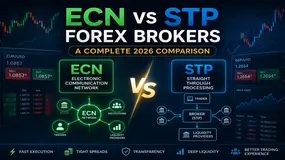
ECN vs STP Forex Brokers: A Complete 2026 Comparison
If you've spent any time researching forex brokers, you've almost certainly run into the labels ECN and STP. They sound technical, broker marketing departments use them interchangeably, and the actual difference matters more for your trading costs than most beginners realize. Both ECN and STP are No Dealing Desk (NDD) execution models — neither broker type takes the opposite side of your trade. That alone separates them from market makers and matters because it removes a fundamental conflict of interest. But the way each model routes your order, prices it, and earns revenue is structurally different, and those differences directly translate into the spread you pay, the slippage you absorb, and whether your strategy is profitable at scale. This guide breaks down exactly how the two models work, where they diverge, and which one fits which type of trader.

LOYAL PRIMUS Review: Allegations of Account Disablement and Withdrawal Denials
Did your attempt to withdraw funds from the LOYAL PRIMUS platform lead to your account deactivation by the broker? Did the broker prevent you from withdrawing when you made profits? Did the broker cancel your withdrawal application by accusing you of suspicious trading activity? These allegations have grown in numbers on independent broker review tools such as WikiFX. In this LOYAL PRIMUS review article, we have examined all these allegations thoroughly.
WikiFX Broker
Latest News
FAST TRADEFX Review 2026: Official Warnings and Severe Risk Signals
WikiFXDollar Eases As Gulf Tensions Cool
WikiFXDollar Steadies Amid Oil Swings
WikiFXFast Profits vs Holding Overnight: Finding Your Forex Trading Pace
WikiFXTRANS X MARKETS Review: Unregulated Broker Warning for Forex Traders
WikiFXTrades Universal Review 2026: Unregulated Status and Regulator Warnings
WikiFXST Global Markets Review 2026: Withdrawal Delays & Poor Customer Support Service Complaints
WikiFXRoboForex Review 2026: Examining Withdrawal Issues and Unfair Account Termination Complaints
WikiFXDollar Strengthens Amid Strait of Hormuz Standoff
WikiFXDollar Steadies While Asian Currencies Slide
WikiFXRate Calc

