Plus500 Scam Alert: Withdrawal Issues Exposed
Abstract:Plus500 forex trading scam alert: multiple cases of blocked withdrawals. Read the warnings and safeguard your money!
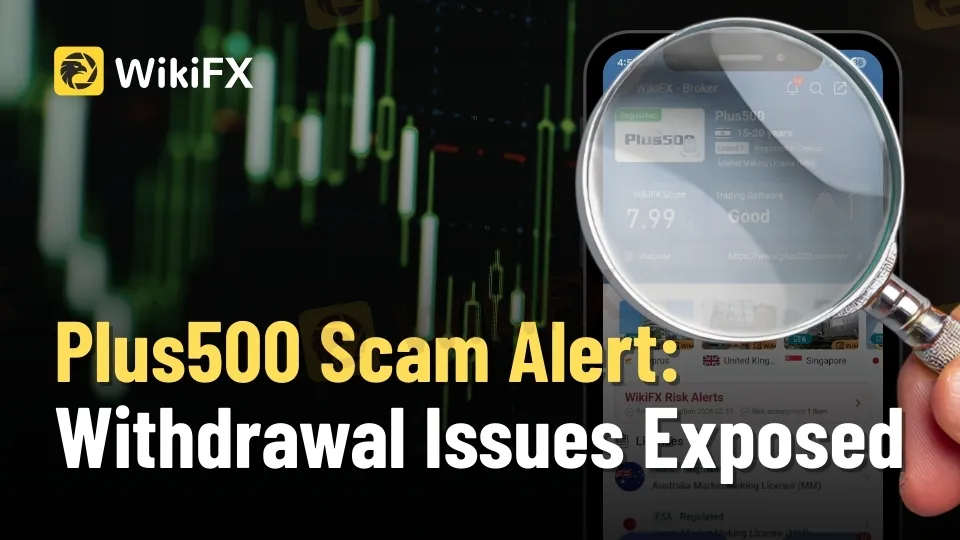
Plus500 presents itself as a regulated forex and CFD broker, but numerous traders report severe withdrawal problems that raise red flags. Despite its licenses from top regulators like FCA and ASIC, user complaints about frozen funds and deceptive tactics suggest deeper issues. Download the WikiFX App to check broker legitimacy before trading.
Broker Overview
Plus500 was founded in 2008 and has headquarters in Israel and offices worldwide. It offers over 2,800 CFDs on forex, stocks, indices, commodities, and cryptos via its proprietary platform. The broker claims tight spreads around 0.5 pips on EUR/USD and no commissions, with a $100 minimum deposit.
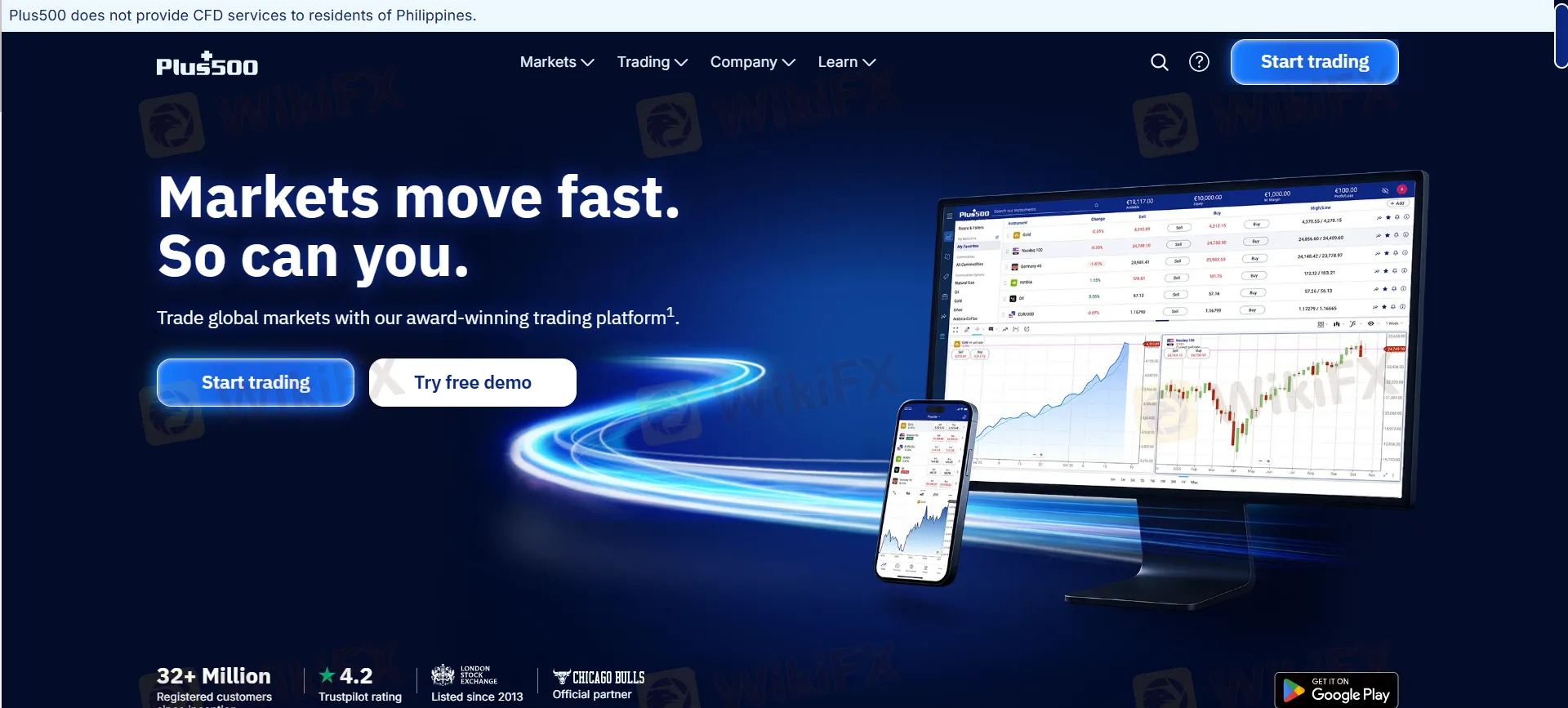
Traders can access leverage up to 1:30 for retail clients, plus demo accounts and risk tools such as stop-losses. Payments include Visa, PayPal, and Skrill, with no deposit fees but potential inactivity charges after three months. Still, these features dont shield users from the withdrawal nightmares detailed ahead.
Regulatory Status
Plus500 holds multiple licenses, including FCA (UK, #509909), ASIC (Australia, #417727), CYSEC (Cyprus, #250/14), and ISA (Israel). Its publicly traded on the London Stock Exchange, adding some transparency. Client funds are segregated, protected by SSL encryption, and eligible for investor compensation.
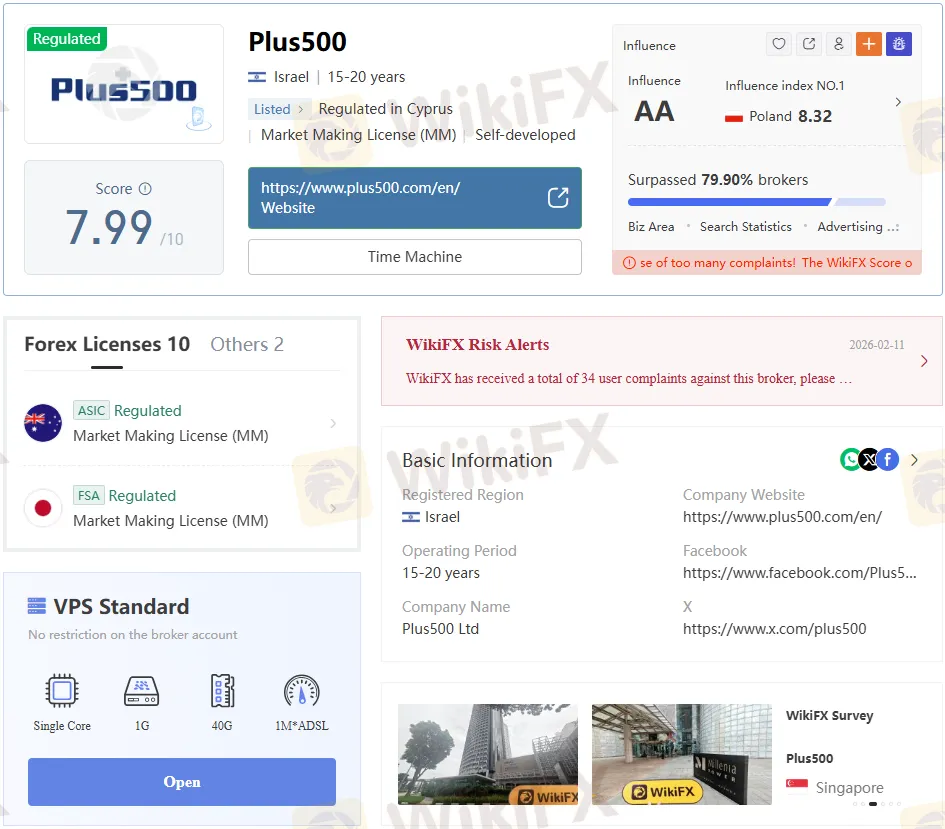
Regulation doesnt mean flawless operations, as scam alerts on WikiFX highlight persistent complaints. Even top-tier oversight fails when brokers allegedly manipulate balances or delay payouts. Use the WikiFX App for real-time exposure on regulated scams.
Trader Complaints Surge
Recent cases expose Plus500s withdrawal blocks, starting with a Belgian trader on December 5, 2025. He held 58.76 USDT but faced a maximum withdrawal limit of 33.76, which rejected withdrawals above that limit even though he had available funds. This forex scam tactic traps capital during shifts in unsupported countries.
Another Belgian user on December 4 couldnt withdraw without explanation, questioning the sudden “protection” after smooth prior payouts. German traders echoed this on the same day, citing unexplained cancellations after years of hassle-free trading. These patterns scream forex investment scam.
Bonus Deception Tactics
German complaints from December 2 reveal sketchy bonuses to hook newbies. One trader received an email promising a 750 SR (~$200) deposit, but only 450 SR was credited, with support dodging queries. This bait-and-switch draws in victims, then blocks exits—classic forex trading scam.
US users repeated this on November 18 and 6, 2025, with £280 or similar balances frozen post-verification, and no responses to statements. Owners labelled “assholes” for personal ethics aside, evidence points to deliberate trader rollback. WikiFX App users spot these red flags early.
Endless Verification Loops
A Hong Kong trader waited over a month for approval of a withdrawal on September 18, 2025. After submitting income proof and address docs, review stalled indefinitely—no timeline given. Such delays erode trust, mimicking the hallmarks of scam brokers despite regulation.
These arent isolated; they form a pattern of stalling tactics post-deposit. Traders pass KYC yet hit invisible walls on payouts. Stay safe—scan with the WikiFX App before funding any platform.
Common Scam Red Flags
| Red Flag | Description | User Impact |
| Balance Manipulation | Max withdrawal shown below actual funds (e.g., 33.76 vs 58.76 USDT) | Prevents full access to profits |
| Sudden Country Blocks | Unsupported regions halt USDT transfers to exchanges | Traps funds during moves |
| Bonus Shortfalls | Promised deposits undelivered (750 SR vs 450 SR) | Baits with false incentives |
| Verification Hell | Endless doc requests, no resolution | Delays payouts indefinitely |
| Ghost Support | No replies to statements or queries | Leaves traders stranded |
This table summarises exposures from global users. Patterns match forex scams: easy deposits, hard withdrawals. Regulated or not, these violate fair trading norms.
Why Withdrawals Fail
Plus500 mandates same-method withdrawals up to deposit amounts, with spreads funding operations. Yet complaints show arbitrary caps and “protection” excuses emerging suddenly. Even verified accounts face £280+ freezes, hinting at liquidity grabs or compliance dodges.
Inactivity fees kick in after three months, but active traders hit walls first. Overnight fees and leverage amplify losses, priming excuses for holds. WikiFX App logs confirm this as a serial issue.
Platform Pros and Pitfalls
Plus500 shines with user-friendly web/mobile apps, 24/7 chat, and multilingual support. Demo accounts help beginners test 2,800 instruments commission-free. Tight spreads and no MT4 needed suit casual CFD traders.
But cons bite hard: no MetaTrader, limited support channels, and now rampant withdrawal woes. Inactivity fees of up to $10/month add insult to injury. For pros seeking reliability, these gaps spell danger—especially amid scam alerts.
Protect Yourself Now
Verify brokers via the WikiFX App before depositing—its your shield against forex scams. Spot withdrawal glitches early, like manipulated max amounts or bonus lies. Demand timelines on requests; escalate to regulators if stalled.
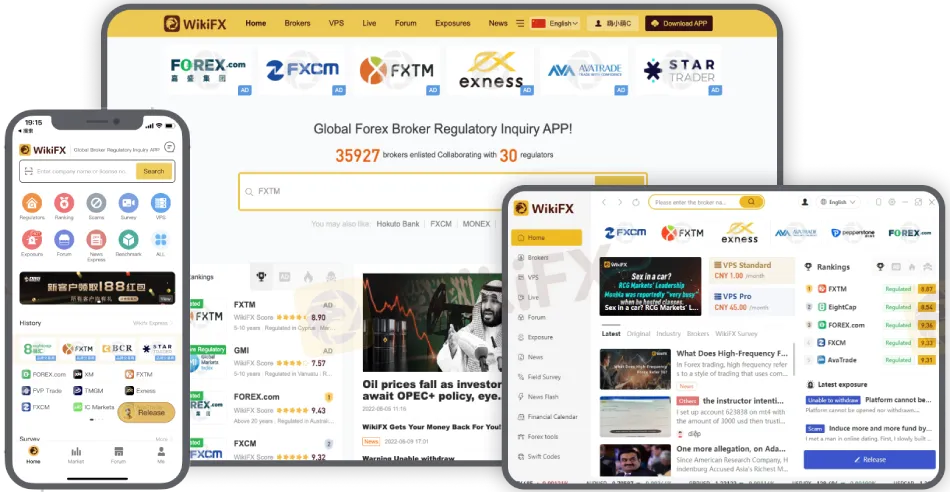
Report issues on WikiFX to expose more cases. Avoid high-leverage CFDs without exit proof. Your funds deserve better than the alleged traps at Plus500.
Final Scam Warning
Plus500s regulation masks user torment from blocked USDT, ghosted verifications, and bonus fraud. Traders worldwide—from Belgium to Hong Kong—cry scam after smooth deposits turn sour. Heed this exposure: withdraw early, check the WikiFX App often, and dodge forex trading scams.

Read more
NSFX Exposure: Investigating Fund Scam & Poor Forex Advisory Allegations
NSFX, a Malta-based forex brokerage entity, has received largely negative reviews from traders worldwide. They have accused the broker of scamming them and making them lose trades. What further bothered traders was the alleged wrong advice from the broker team leading to capital losses for traders. They have made their NSFX reviews live on independent platforms such as WikiFX. In this article, we have investigated these charges so that you can decide whether NSFX is to be trusted with your hard-earned capital. Read on!
Global Markets Group Review: Do Traders Struggle to Withdraw Funds?
Have you witnessed a lacklustre investment experience with Global Markets Group, a United Kingdom-based brokerage entity? Has the forex broker allegedly scammed your deposits? Is there no movement after you request withdrawals with Global Markets Group? Have you had to seek legal assistance to recover funds? These issues have been reported vehemently on broker review platforms such as WikiFX. This Global Markets Group review article aims to investigate the allegations and give you the takeaways so that you can make the right investment call. Let’s begin!
DUHANI Complete Review: Understanding the Dangers of an Uncontrolled Broker
If you are looking for a DUHANI Review to figure out if this broker is real and safe for your trading money, this analysis is very important to read. Our goal is to give a clear, fact-based look at DUHANI, a broker that causes big worries in many areas. While the company talks about features such as the advanced MT5 platform and trading conditions that seem good, a careful look at public information shows a troubling pattern of serious user complaints and a major lack of trustworthy financial rules. This review breaks down these problems to give you the most important information right away, helping you understand the big risks with DUHANI before investing. We will quickly point out the main finding: DUHANI works without a real, mainstream financial license, which is a major warning sign for any trader.
Fintokei Review: Regulation, Broker, Forex & Login Guide
Explore Fintokei regulation, broker model, Forex trading, fees & login process. Learn if it’s safe before trading—check the full review now!
WikiFX Broker
Latest News
Physical Oil Surges on Gulf Blockade
 WikiFX
Why High Broker Rebates and Weak Licenses Drain Beginner Accounts
WikiFXeXcentral Broker Review: Regulation & Safety Check
WikiFX【WikiEXPO Global Expert Interview】Peng Fu: Risk Blind Spots Young Investors Need to Watch Out For
WikiFXYen Nears 160 as BOJ Waits
WikiFXSPECTRA GLOBAL Review: Regulation, Broker & Login Info
WikiFXFed Governor Waller says Iran war and labor market risks are keeping central bank on hold
WikiFXNextTrade Review: Regulation, Broker Safety & Login
WikiFXA Complete Guide to Trader's Way Fund Transfers (2026 Review)
WikiFXWhy Live Forex Trading Destroys Your Demo Account Profits
WikiFXRate Calc
