2025 LiteFinance Latest Review
Abstract:As one of the veteran platforms in the forex market, LiteFinance has attracted many traders with its stable trading environment and wide range of products. But who is it best suited for? This article offers a comprehensive evaluation.
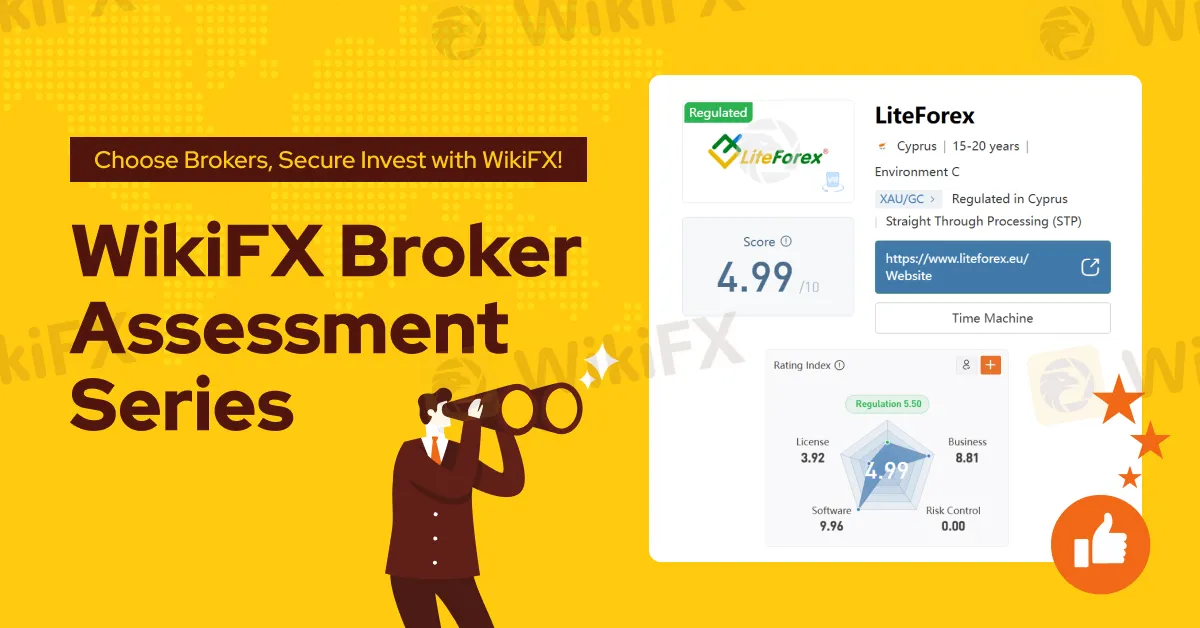
Overview
LiteFinance (formerly known as LiteForex) was established in 2005 and is an online broker specializing in forex and CFD trading. Headquartered in Saint Vincent and the Grenadines, the platform operates globally and supports multiple languages, including Chinese. In recent years, it has undergone brand upgrades and feature expansions, evolving into a more technology- and social-oriented trading platform. LiteFinance offers mainstream MT4 and MT5 platforms, covering a variety of financial instruments such as forex, gold, oil, indices, stocks, and cryptocurrencies—aiming to provide a one-stop trading experience for investors at all levels.
Key Features
LiteFinance delivers a well-rounded user experience. It offers a multilingual interface with responsive customer support, and it is particularly friendly to Chinese-speaking users. The platform provides both Standard and ECN accounts to suit different risk preferences and trading styles. Additionally, social trading is integrated, allowing beginners to follow experienced strategies with ease. Spreads are competitive—ECN accounts even offer floating spreads from 0.0 pips with transparent commission charges, making it appealing to cost-conscious traders. The minimum deposit requirement is just $50, which lowers the entry barrier for those new to forex trading.
Fees
LiteFinance operates on a floating spread system. The Standard account offers average spreads of around 1.8 pips, suitable for light traders. ECN accounts provide tighter spreads (as low as 0.1 pips for major pairs) but charge a commission of about $3 per lot per side. For high-frequency or large-volume traders, ECN accounts offer clear cost advantages. The platform does not charge maintenance fees and has no hidden costs. Overnight interest is based on standard market rates and can be monitored in real time through the platform. Overall, its fee structure is transparent and easy for users to calculate their trading costs.
Security
While LiteFinance is registered offshore, it boasts nearly 20 years of operational history. Its servers are stable and trade execution is fast, giving the platform a solid reputation. It uses SSL encryption to protect user data and implements a client fund segregation system to safeguard deposits. Although it is not directly regulated by top-tier agencies like the FCA or ASIC, user feedback suggests stable platform performance and responsive support, making it a viable, mid-tier trading option.
Account Opening Process & Types
The account opening process on LiteFinance is straightforward. Users can register via the official website, fill in basic personal information, verify via email or phone, and upload identification and proof of address to complete the KYC procedure. The whole process typically takes less than 10 minutes and is supported by Chinese-language instructions and customer service.
There are two main account types: the Standard Account and the ECN Account. The Standard Account is suited to beginners or lower-frequency traders with no commission charges and slightly wider spreads. The ECN Account is ideal for professional traders or those who prioritize execution speed and cost control. The platform also offers Islamic account options, making it inclusive for users with specific religious requirements.
Trading Platforms
LiteFinance supports both MT4 and MT5 platforms, available on PC, web, and mobile devices. These platforms come equipped with rich technical indicators, full charting tools, and support for EA (Expert Advisor) automated trading and scripting—catering to intermediate and advanced users who rely on strategic and data-driven trading. The WebTrader version is also responsive and functional, offering convenience for those who need to trade on the go.
Product Range
LiteFinance offers access to a diverse range of assets, including over 70 forex pairs, gold, silver, WTI and Brent crude oil, U.S. and European stock indices, and popular individual stocks. This wide product offering allows investors to flexibly allocate their capital based on market trends and provides opportunities for portfolio diversification.
Conclusion
In summary, LiteFinance stands out as a reliable and well-rounded trading platform. It offers solid coverage of forex and other markets, user-friendly interfaces, and a transparent cost structure—making it especially attractive for logical traders who prioritize systematic execution, tight spreads, and fee clarity through MT4/MT5.
Moreover, the platform's social trading feature opens doors for beginners to both learn and trade in real-time, reducing the isolation often felt in early trading stages. While the platform is registered offshore and may fall short of top-tier regulatory standards, its long operational history, stable performance, and responsive service still make it a viable and trustworthy choice under proper risk management.
New users are advised to start with a demo or low-deposit account to get familiar with the trading environment and rules. Once confident, they can gradually scale their strategies and positions for sustainable growth.
For more information on brokers, feel free to visit our official website (https://www.WikiFX.com/en) or download the WikiFX App to help you find the most trustworthy broker and ensure your trading experience is safer and more reliable.


Read more
FINEX Review: A+++ Rating Does Not Remove Risks - How to Read Spread, Withdrawals & Other Aspects
FINEX review 2026 for readers comparing an Indonesia forex broker: understand what Bappebti's A+++ rating does and does not show, then check floating spreads, withdrawals, segregated accounts and the complaint route for PT Finex Bisnis Solusi Futures.
Tier 1 Liquidity Forex in 2026: What Institutional Really Means for a Broker
Choosing a tier 1 liquidity forex is not a search for the lowest displayed spread or the longest provider list. It is a broker decision about pricing integrity, depth, routing, credit, reporting, incident response, and client communication. This 2026 guide explains how an institutional liquidity provider, bank liquidity forex, or interbank liquidity provider arrangement fits into a broker’s execution chain; what to test before onboarding; why a “best tier 1 liquidity forex” claim cannot replace due diligence; and how to compare cost beyond commission. Use the execution-quality scorecard, provider questions, routing scenarios, and 90-day onboarding plan to assess whether a liquidity relationship can support your actual client mix, instruments, risk model, and jurisdiction. The goal is not to make a universal ranking. It is to build evidence that your broker can explain, supervise, reconcile, and recover its execution service when market conditions are difficult.
MIFX Review 2026: How to Read Spreads, Withdrawal Rules and the Complaint Route
MIFX review 2026: understand published commissions and spreads, the withdrawal process, Instant Withdrawal conditions, and the PT Monex Investindo Futures complaint route without turning community discussion into factual allegations.
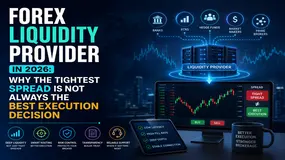
Forex Liquidity Provider in 2026: Why the Tightest Spread is Not Always the Best Execution Decision
Choosing a forex liquidity provider is not a search for the lowest displayed spread or the longest provider list. It is a broker decision about pricing integrity, depth, routing, credit, reporting, incident response, and client communication. This 2026 guide explains how a forex LP, FX liquidity provider, or liquidity provider forex arrangement fits into a broker’s execution chain; what to test before onboarding; why a “best forex liquidity provider” claim cannot replace due diligence; and how to compare cost beyond commission. Use the execution-quality scorecard, provider questions, routing scenarios, and 90-day onboarding plan to assess whether a liquidity relationship can support your actual client mix, instruments, risk model, and jurisdiction. The goal is not to make a universal ranking. It is to build evidence that your broker can explain, supervise, reconcile, and recover its execution service when market conditions are difficult.
WikiFX Broker
Latest News
Ringgit climbs vs US dollar as markets await inflation data
 WikiFX
US PPI Cools, but the Core Number Tells a More Complicated Story
WikiFXJust Markets Review: 1.82 Score and No Regulation Despite Positive Reviews
WikiFXFizmo Fx Markets Review 2026: Unregulated Status and Withdrawal Complaints
WikiFXWhy Elections Make Currencies Swing Harder Than You Expect
WikiFXWhy Importers Panic When Dollars Dry Up, and Why You Should Care
WikiFXFINEX Review: A+++ Rating Does Not Remove Risks - How to Read Spread, Withdrawals & Other Aspects
WikiFXBX Trade Review: Is a $1 Minimum Deposit Worth the No-Regulation Risk?
WikiFXTier 1 Liquidity Forex in 2026: What Institutional Really Means for a Broker
WikiFXSingapore Nabs 270 Suspects in RM17 Million Scam Bust
WikiFXRate Calc

