
2024-12-20 23:56
Industriyamanipulation of smart contract
#estafas - scams&michriches
A very timely and relevant topic!
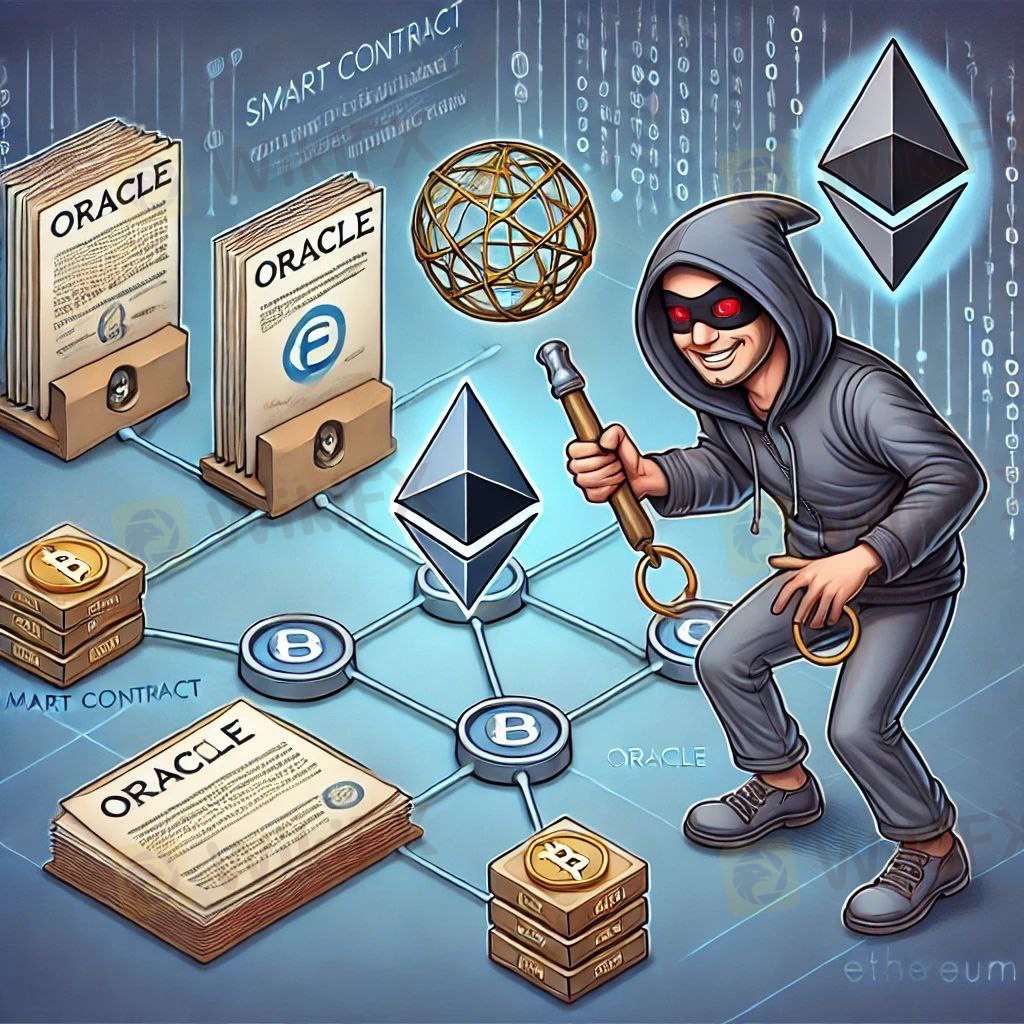
Manipulating smart contracts to drain liquidity pools is a type of attack that has become increasingly common in the DeFi (Decentralized Finance) space. Here's a breakdown of the issue:
*What are liquidity pools?*
Liquidity pools are smart contracts that hold funds and enable decentralized trading, lending, and other financial activities. They are typically used in DeFi protocols, such as Uniswap, SushiSwap, and Curve.
*What is the attack?*
The attack involves manipulating the smart contract to drain the liquidity pool's funds. This can be done in various ways, including:
1. *Flash loan attacks*: An attacker takes out a flash loan (a loan that is borrowed and repaid in the same transaction) to manipulate the liquidity pool's prices and drain its funds.
2. *Arbitrage attacks*: An attacker exploits price differences between two or more liquidity pools to drain funds from one pool and transfer them to another.
3. *Reentrancy attacks*: An attacker exploits a vulnerability in the smart contract's reentrancy mechanism to drain funds from the liquidity pool.
4. *Front-running attacks*: An attacker exploits their position in the transaction queue to manipulate the liquidity pool's prices and drain its funds.
*Consequences*
The consequences of a successful attack can be severe:
1. *Financial losses*: The liquidity pool's funds can be drained, resulting in significant financial losses for the pool's liquidity providers.
2. *Reputation damage*: The attacked protocol's reputation can be damaged, leading to a loss of user trust and confidence.
3. *Market instability*: The attack can cause market instability, leading to price volatility and potential losses for other market participants.
*Mitigation strategies*
To mitigate the risk of such attacks, DeFi protocols can implement various strategies:
1. *Smart contract auditing*: Regularly audit smart contracts to identify and fix vulnerabilities.
2. *Reentrancy protection*: Implement reentrancy protection mechanisms to prevent reentrancy attacks.
3. *Flash loan protection*: Implement flash loan protection mechanisms to prevent flash loan attacks.
4. *Arbitrage protection*: Implement arbitrage protection mechanisms to prevent arbitrage attacks.
5. *Monitoring and surveillance*: Continuously monitor and surveil the liquidity pool's activity to detect and respond to potential attacks.
6. *Incident response planning*: Develop and regularly test incident response plans to ensure readiness in case of an attack.
Katulad 0

FX1985175646
거래자
Mainit na nilalaman
Pagsusuri ng merkado
Dogecoin cheers coinbase listing as Bitcoin’s range play continues
Pagsusuri ng merkado
Bitcoin's price is not the only number going up
Pagsusuri ng merkado
Grayscale commits to converting GBTC into Bitcoin ETF:
Pagsusuri ng merkado
Theta Price Prediction:
Pagsusuri ng merkado
How to Research Stocks:
Pagsusuri ng merkado
Bitcoin (BTC), Ethereum (ETH) Forecast:
Kategorya ng forum

Plataporma

Eksibisyon

Ahente

pangangalap

EA

Industriya

Merkado

talatuntunan
manipulation of smart contract
Nigeria | 2024-12-20 23:56#estafas - scams&michriches
A very timely and relevant topic!
Manipulating smart contracts to drain liquidity pools is a type of attack that has become increasingly common in the DeFi (Decentralized Finance) space. Here's a breakdown of the issue:
*What are liquidity pools?*
Liquidity pools are smart contracts that hold funds and enable decentralized trading, lending, and other financial activities. They are typically used in DeFi protocols, such as Uniswap, SushiSwap, and Curve.
*What is the attack?*
The attack involves manipulating the smart contract to drain the liquidity pool's funds. This can be done in various ways, including:
1. *Flash loan attacks*: An attacker takes out a flash loan (a loan that is borrowed and repaid in the same transaction) to manipulate the liquidity pool's prices and drain its funds.
2. *Arbitrage attacks*: An attacker exploits price differences between two or more liquidity pools to drain funds from one pool and transfer them to another.
3. *Reentrancy attacks*: An attacker exploits a vulnerability in the smart contract's reentrancy mechanism to drain funds from the liquidity pool.
4. *Front-running attacks*: An attacker exploits their position in the transaction queue to manipulate the liquidity pool's prices and drain its funds.
*Consequences*
The consequences of a successful attack can be severe:
1. *Financial losses*: The liquidity pool's funds can be drained, resulting in significant financial losses for the pool's liquidity providers.
2. *Reputation damage*: The attacked protocol's reputation can be damaged, leading to a loss of user trust and confidence.
3. *Market instability*: The attack can cause market instability, leading to price volatility and potential losses for other market participants.
*Mitigation strategies*
To mitigate the risk of such attacks, DeFi protocols can implement various strategies:
1. *Smart contract auditing*: Regularly audit smart contracts to identify and fix vulnerabilities.
2. *Reentrancy protection*: Implement reentrancy protection mechanisms to prevent reentrancy attacks.
3. *Flash loan protection*: Implement flash loan protection mechanisms to prevent flash loan attacks.
4. *Arbitrage protection*: Implement arbitrage protection mechanisms to prevent arbitrage attacks.
5. *Monitoring and surveillance*: Continuously monitor and surveil the liquidity pool's activity to detect and respond to potential attacks.
6. *Incident response planning*: Develop and regularly test incident response plans to ensure readiness in case of an attack.
Katulad 0
Gusto kong magkomento din
Ipasa
0Mga komento

Wala pang komento. Gawin ang una.
Ipasa
Wala pang komento. Gawin ang una.