
2025-01-29 16:15
IndustriyaForex Market Volatility
Forex Market Volatility
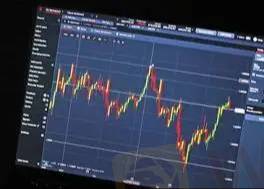
Forex market volatility refers to the extent to which the price of a currency pair fluctuates over a given period. Volatility can create both opportunities and risks for traders, as larger price movements may lead to higher profits or losses. Factors influencing volatility include economic data releases, geopolitical events, interest rate changes, and market sentiment.
Volatility is typically higher during major market events, such as:
• Central bank announcements (interest rate decisions).
• Economic reports (e.g., GDP, unemployment).
• Geopolitical events (e.g., elections, crises).
While high volatility offers opportunities for traders to capture larger price movements, it also increases risk. To manage volatility, traders often use risk management tools like stop-loss orders, position sizing, and technical analysis to better predict potential price swings and mitigate potential losses. Volatility can also vary by time of day, with the most active periods being during market session overlaps (e.g., London and New York).
Katulad 0

MilesIV
Händler
Mainit na nilalaman
Pagsusuri ng merkado
Dogecoin cheers coinbase listing as Bitcoin’s range play continues
Pagsusuri ng merkado
Bitcoin's price is not the only number going up
Pagsusuri ng merkado
Grayscale commits to converting GBTC into Bitcoin ETF:
Pagsusuri ng merkado
Theta Price Prediction:
Pagsusuri ng merkado
How to Research Stocks:
Pagsusuri ng merkado
Bitcoin (BTC), Ethereum (ETH) Forecast:
Kategorya ng forum

Plataporma

Eksibisyon

Ahente

pangangalap

EA

Industriya

Merkado

talatuntunan
Forex Market Volatility
Hong Kong | 2025-01-29 16:15Forex Market Volatility
Forex market volatility refers to the extent to which the price of a currency pair fluctuates over a given period. Volatility can create both opportunities and risks for traders, as larger price movements may lead to higher profits or losses. Factors influencing volatility include economic data releases, geopolitical events, interest rate changes, and market sentiment.
Volatility is typically higher during major market events, such as:
• Central bank announcements (interest rate decisions).
• Economic reports (e.g., GDP, unemployment).
• Geopolitical events (e.g., elections, crises).
While high volatility offers opportunities for traders to capture larger price movements, it also increases risk. To manage volatility, traders often use risk management tools like stop-loss orders, position sizing, and technical analysis to better predict potential price swings and mitigate potential losses. Volatility can also vary by time of day, with the most active periods being during market session overlaps (e.g., London and New York).
Katulad 0
Gusto kong magkomento din
Ipasa
0Mga komento

Wala pang komento. Gawin ang una.
Ipasa
Wala pang komento. Gawin ang una.