FXTRADING Economic Data Summary (Asia-Pacific | 07/03)
Sommario:US Nonfarm Payroll Growth Slows SharplyUS nonfarm payrolls increased by 57,000 in June, well below the market expectation of 114,000. Meanwhile, the previous months figure was revised down from 172,00

US Nonfarm Payroll Growth Slows Sharply
US nonfarm payrolls increased by 57,000 in June, well below the market expectation of 114,000. Meanwhile, the previous month's figure was revised down from 172,000 to 129,000, indicating a clear slowdown in hiring activity. The unemployment rate edged down from 4.3% to 4.2%, but the decline was mainly driven by the labor force participation rate falling from 61.8% to 61.5%, suggesting that some workers exited the labor market. Wage growth remained steady, with average hourly earnings rising 0.3% month-on-month for a second consecutive month, while the annual growth rate accelerated from 3.4% to 3.5%.
The combination of slowing job growth and resilient wage gains suggests that the labor market is cooling but has not weakened significantly. Market expectations for further Federal Reserve tightening have eased, although persistent wage growth means future policy decisions will continue to depend on incoming employment and inflation data. FXTRADING believes that June's 57,000 increase in nonfarm payrolls, a 4.2% unemployment rate, a 61.5% labor force participation rate, and 3.5% year-on-year wage growth indicate that the US labor market is gradually cooling, while wage pressures remain resilient, leaving the Federal Reserve likely to stay on hold in the near term.

Swiss Inflation Remains Subdued
Switzerland's Consumer Price Index was unchanged month-on-month in June, while annual inflation eased from 0.6% to 0.5%, in line with market expectations. Core inflation remained steady at 0.3% year-on-year. Prices for domestic goods rose 0.1% on the month, with annual domestic inflation slowing to 0.5%, while imported goods prices fell 0.4% from the previous month.
Lower import prices continued to suppress overall inflation, with imported inflation slowing from 0.7% to 0.2% year-on-year, mainly reflecting lower energy prices and easing external cost pressures. Overall, Switzerland remains one of the lowest-inflation economies among advanced countries, providing the Swiss National Bank with considerable flexibility to maintain its current policy stance. FXTRADING believes that June's 0.5% annual CPI, 0.3% core inflation, and 0.2% imported inflation indicate that price pressures remain limited. As long as imported inflation stays subdued, the Swiss National Bank is likely to keep monetary policy unchanged.
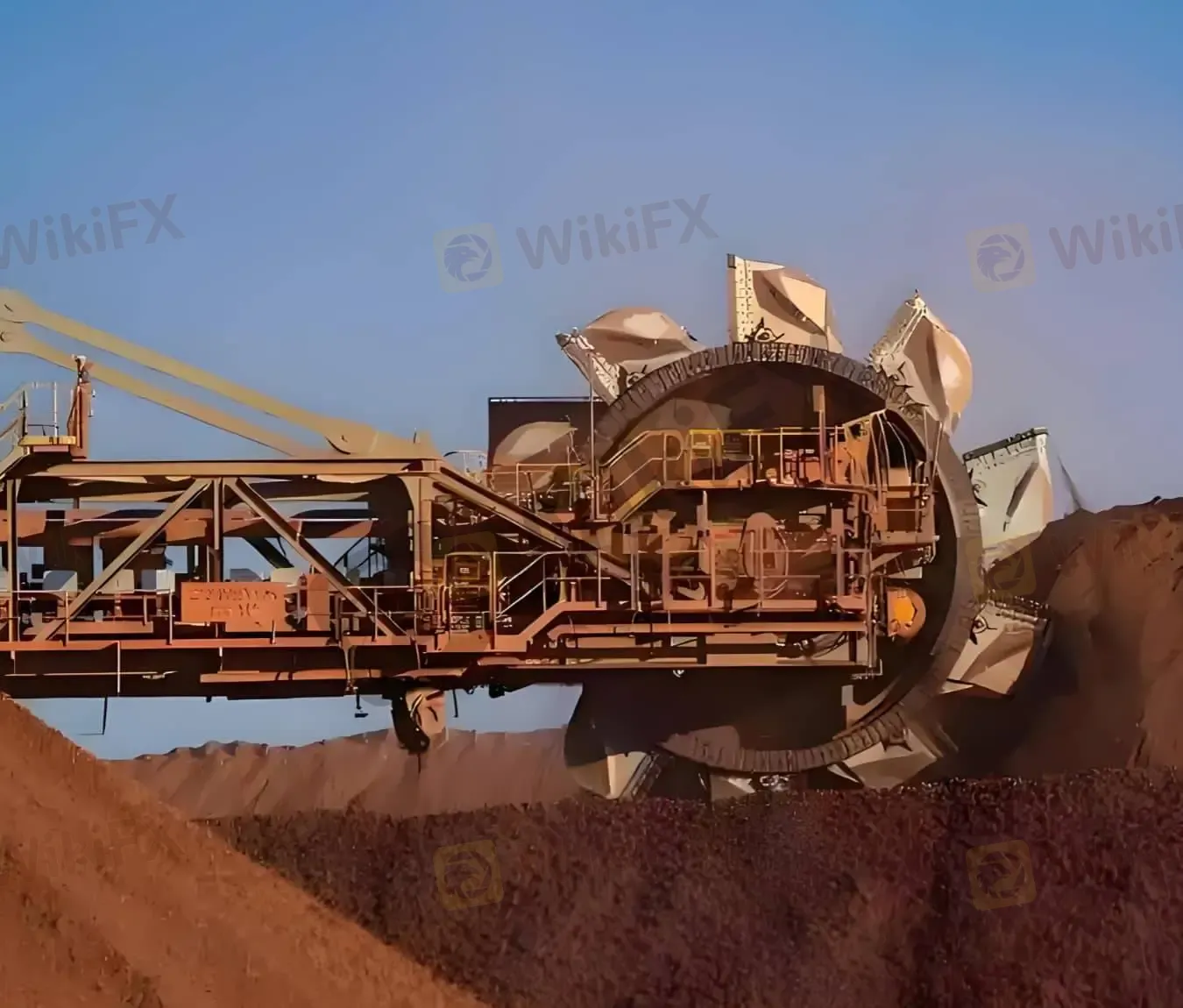
Australia's Trade Balance Unexpectedly Swings into Deficit
Australia's goods trade balance shifted from a revised surplus of AUD 1.38 billion in April to a deficit of AUD 3.02 billion in May, far weaker than the market expectation of a AUD 2.18 billion surplus. The result marked the country's largest monthly trade deficit since 2015, mainly due to a sharp decline in exports.
Exports fell 6.9% month-on-month, led by a 35% plunge in non-monetary gold exports and a 9% decline in iron ore exports. Meanwhile, imports rose 2.6%, supported by stronger purchases of motor vehicles, aircraft, and telecommunications equipment. The combination of weaker exports and stronger imports weighed heavily on the trade balance. FXTRADING believes that the latest trade deficit was largely driven by volatility in commodity exports. With the trade deficit reaching AUD 3.02 billion, exports down 6.9%, non-monetary gold exports falling 35%, and iron ore exports declining 9%, trade performance could improve if global commodity demand strengthens in the coming months.

Japan's Business Confidence Reaches a Multi-Year High
The Bank of Japan's Tankan Survey for the second quarter showed that the large manufacturers' business sentiment index rose from 17 to 22, beating the market expectation of 16. The index improved for a fifth consecutive quarter and reached its highest level since 2018. The large non-manufacturing index also increased from 36 to 37, ending its previous period of moderation.
Improving business confidence was supported by strong demand for semiconductors and artificial intelligence, while greater pricing power also helped boost corporate profitability. Nevertheless, companies remain cautious about the outlook. Manufacturers expect the sentiment index to fall back to 17 by September, while the non-manufacturing index is projected to decline to 28, reflecting ongoing concerns over external demand and supply chain risks. FXTRADING believes that the manufacturing sentiment index rising to 22 and the non-manufacturing index increasing to 37 indicate that Japan's corporate conditions continue to improve. However, forecasts of the manufacturing index falling back to 17 and the non-manufacturing index declining to 28 suggest that businesses remain cautious about the economic outlook for the second half of the year.

WikiFX Trader
WikiFX Trader
Rate Calc

