
2025-02-17 21:49
業界Over trading and its risk consequences
#forexrisktip
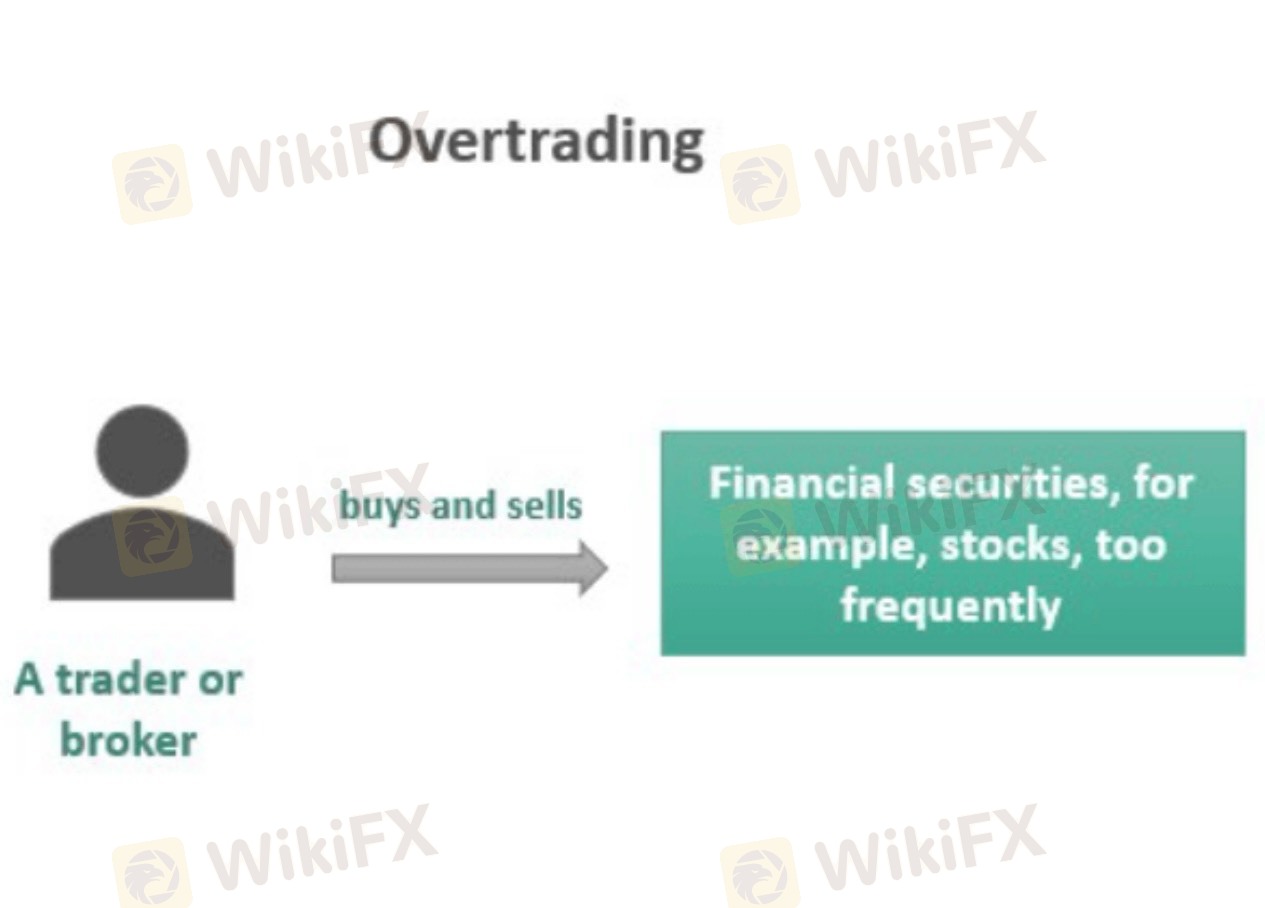
Overtrading occurs when a trader executes too many trades, often driven by emotional impulses, greed, or the desire to recoup losses. It poses significant risks and can severely impact trading performance. Here’s how:
1. Increased Transaction Costs: Frequent buying and selling lead to higher brokerage fees, commissions, and slippage, which can erode profits over time.
2. Emotional Decision-Making: Overtrading is often linked to emotional impulses, such as fear of missing out (FOMO) or revenge trading after a loss, leading to irrational decisions and poor risk management.
3. Reduced Focus and Discipline: Making too many trades can dilute attention and lead to mistakes, such as misjudging market trends or ignoring stop-loss rules.
4. Higher Exposure to Market Risk: Overtrading increases exposure to market volatility, magnifying the impact of adverse price movements on the portfolio.
5. Diminished Strategy Effectiveness: Deviating from a well-thought-out trading plan due to overtrading can undermine the effectiveness of a strategy and reduce overall profitability.
6. Psychological Stress and Fatigue: Constantly monitoring the markets and making frequent decisions can lead to burnout and impaired judgment, affecting long-term trading performance.
7. Capital Erosion: Rapidly accumulating small losses can significantly deplete trading capital, increasing the risk of margin calls or complete account wipeout.
How to Avoid Overtrading:
• Set Clear Trading Rules: Establish strict criteria for entering and exiting trades and stick to them.
• Limit Trade Frequency: Set a maximum number of trades per day or week to prevent impulsive actions.
• Focus on Quality, Not Quantity: Prioritize high-probability setups rather than chasing every market movement.
• Emotional Management: Practice emotional discipline through mindfulness or journaling to reduce impulsive decisions.
• Periodic Review: Regularly review trading performance and identify patterns of overtrading to adjust behavior.
Would you like help setting up a trading plan, or tips on maintaining emotional discipline while trading?
いいね 0

Sriniwas
Sàn môi giới
人気の話題
業界
米国株式や日経などのクロスボーダー ETF は大量に高値で償還され
業界
包括的なリスク管理計画を策定する
業界
高度なテクノロジーとテクニカル分析を活用する
業界
📢2025年1月9日11:00の通貨ペア
業界
危険】:米国でVarna Tradeを訪問しましたが、オフィスは見つかりませんでした‼ 詳細は下の画
業界
👀#WikiFX 「先週、日本人ユーザーが最も検索されたFX会社が発表されました!」
市場分類

会社ナビ

エキスポ

IB

募集

EA
業界

相場

指標
Over trading and its risk consequences
インド | 2025-02-17 21:49#forexrisktip
Overtrading occurs when a trader executes too many trades, often driven by emotional impulses, greed, or the desire to recoup losses. It poses significant risks and can severely impact trading performance. Here’s how:
1. Increased Transaction Costs: Frequent buying and selling lead to higher brokerage fees, commissions, and slippage, which can erode profits over time.
2. Emotional Decision-Making: Overtrading is often linked to emotional impulses, such as fear of missing out (FOMO) or revenge trading after a loss, leading to irrational decisions and poor risk management.
3. Reduced Focus and Discipline: Making too many trades can dilute attention and lead to mistakes, such as misjudging market trends or ignoring stop-loss rules.
4. Higher Exposure to Market Risk: Overtrading increases exposure to market volatility, magnifying the impact of adverse price movements on the portfolio.
5. Diminished Strategy Effectiveness: Deviating from a well-thought-out trading plan due to overtrading can undermine the effectiveness of a strategy and reduce overall profitability.
6. Psychological Stress and Fatigue: Constantly monitoring the markets and making frequent decisions can lead to burnout and impaired judgment, affecting long-term trading performance.
7. Capital Erosion: Rapidly accumulating small losses can significantly deplete trading capital, increasing the risk of margin calls or complete account wipeout.
How to Avoid Overtrading:
• Set Clear Trading Rules: Establish strict criteria for entering and exiting trades and stick to them.
• Limit Trade Frequency: Set a maximum number of trades per day or week to prevent impulsive actions.
• Focus on Quality, Not Quantity: Prioritize high-probability setups rather than chasing every market movement.
• Emotional Management: Practice emotional discipline through mindfulness or journaling to reduce impulsive decisions.
• Periodic Review: Regularly review trading performance and identify patterns of overtrading to adjust behavior.
Would you like help setting up a trading plan, or tips on maintaining emotional discipline while trading?
いいね 0
私もコメントします
質問します
0コメント件数

誰もまだコメントしていません、すぐにコメントします
質問します
誰もまだコメントしていません、すぐにコメントします