
2025-02-17 21:49
业内Over trading and its risk consequences
#forexrisktip
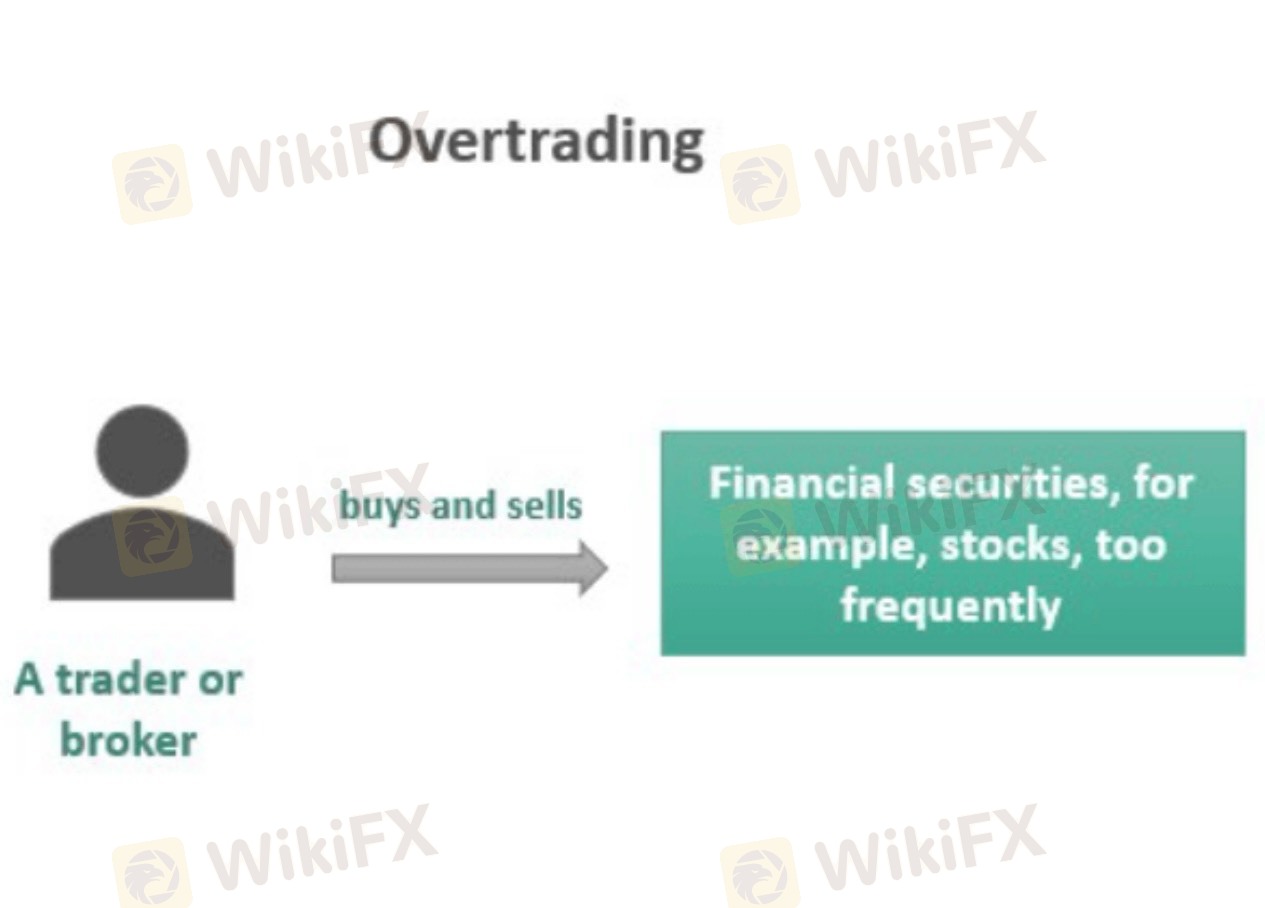
Overtrading occurs when a trader executes too many trades, often driven by emotional impulses, greed, or the desire to recoup losses. It poses significant risks and can severely impact trading performance. Here’s how:
1. Increased Transaction Costs: Frequent buying and selling lead to higher brokerage fees, commissions, and slippage, which can erode profits over time.
2. Emotional Decision-Making: Overtrading is often linked to emotional impulses, such as fear of missing out (FOMO) or revenge trading after a loss, leading to irrational decisions and poor risk management.
3. Reduced Focus and Discipline: Making too many trades can dilute attention and lead to mistakes, such as misjudging market trends or ignoring stop-loss rules.
4. Higher Exposure to Market Risk: Overtrading increases exposure to market volatility, magnifying the impact of adverse price movements on the portfolio.
5. Diminished Strategy Effectiveness: Deviating from a well-thought-out trading plan due to overtrading can undermine the effectiveness of a strategy and reduce overall profitability.
6. Psychological Stress and Fatigue: Constantly monitoring the markets and making frequent decisions can lead to burnout and impaired judgment, affecting long-term trading performance.
7. Capital Erosion: Rapidly accumulating small losses can significantly deplete trading capital, increasing the risk of margin calls or complete account wipeout.
How to Avoid Overtrading:
• Set Clear Trading Rules: Establish strict criteria for entering and exiting trades and stick to them.
• Limit Trade Frequency: Set a maximum number of trades per day or week to prevent impulsive actions.
• Focus on Quality, Not Quantity: Prioritize high-probability setups rather than chasing every market movement.
• Emotional Management: Practice emotional discipline through mindfulness or journaling to reduce impulsive decisions.
• Periodic Review: Regularly review trading performance and identify patterns of overtrading to adjust behavior.
Would you like help setting up a trading plan, or tips on maintaining emotional discipline while trading?
赞 0

Sriniwas
交易商
热门讨论
业内
哎,现在明白不赌就是赢啊
行情分析
美元/加元技术面
业内
[活動]論交易,贏取200元話費補貼
技术指标
外汇技术分析之波浪理论
技术指标
EZ.Fury Kite是基于趋势指标MA进行判断
技术指标
指标派是什么?
集市分类

平台

展会

IB

招聘

EA

业内

行情

指标
Over trading and its risk consequences
印度 | 2025-02-17 21:49#forexrisktip
Overtrading occurs when a trader executes too many trades, often driven by emotional impulses, greed, or the desire to recoup losses. It poses significant risks and can severely impact trading performance. Here’s how:
1. Increased Transaction Costs: Frequent buying and selling lead to higher brokerage fees, commissions, and slippage, which can erode profits over time.
2. Emotional Decision-Making: Overtrading is often linked to emotional impulses, such as fear of missing out (FOMO) or revenge trading after a loss, leading to irrational decisions and poor risk management.
3. Reduced Focus and Discipline: Making too many trades can dilute attention and lead to mistakes, such as misjudging market trends or ignoring stop-loss rules.
4. Higher Exposure to Market Risk: Overtrading increases exposure to market volatility, magnifying the impact of adverse price movements on the portfolio.
5. Diminished Strategy Effectiveness: Deviating from a well-thought-out trading plan due to overtrading can undermine the effectiveness of a strategy and reduce overall profitability.
6. Psychological Stress and Fatigue: Constantly monitoring the markets and making frequent decisions can lead to burnout and impaired judgment, affecting long-term trading performance.
7. Capital Erosion: Rapidly accumulating small losses can significantly deplete trading capital, increasing the risk of margin calls or complete account wipeout.
How to Avoid Overtrading:
• Set Clear Trading Rules: Establish strict criteria for entering and exiting trades and stick to them.
• Limit Trade Frequency: Set a maximum number of trades per day or week to prevent impulsive actions.
• Focus on Quality, Not Quantity: Prioritize high-probability setups rather than chasing every market movement.
• Emotional Management: Practice emotional discipline through mindfulness or journaling to reduce impulsive decisions.
• Periodic Review: Regularly review trading performance and identify patterns of overtrading to adjust behavior.
Would you like help setting up a trading plan, or tips on maintaining emotional discipline while trading?
赞 0
我也要评论
提问
0条评论

还没人评论,赶紧抢占沙发
提问
还没人评论,赶紧抢占沙发