WIKIFX REPORT: A Week in the Market: ECB Takes Centre Stage
Abstract:The third week of July is going to be busy with news and events – rate decisions by the European Central Bank and the Bank of Japan, as well as employment and inflation data from the UK and Canada, respectively.
USD: real estate market

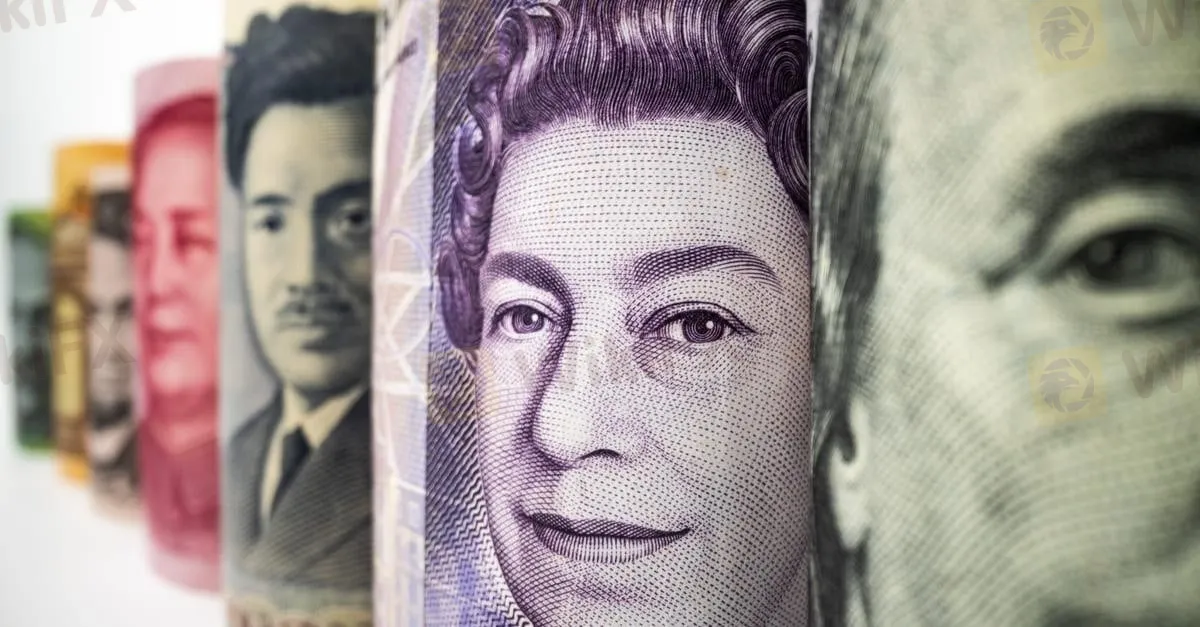
Market expectations of a 100-point rate hike by the US Fed provided the American currency with much support. However, real estate data might drop, thus weakening the bears, who arent too impressive already. Reports on Building Permits and Existing Home Sales are scheduled to be released on Tuesday and Wednesday.
The United Kingdom: a lot of news
It will start on Tuesday with data on employment (Claimant Count Change and Unemployment Rate). The next day, the country will release many numbers on prices (PPI Input, PPI Output, CPI, Core CPI, RPI, and HPI). Friday will offer readings on Retail Sales and Manufacturing/Services PMIs. At the moment, the Pound is correcting and strong numbers might help it go higher.
AUD: hints at a rate hike
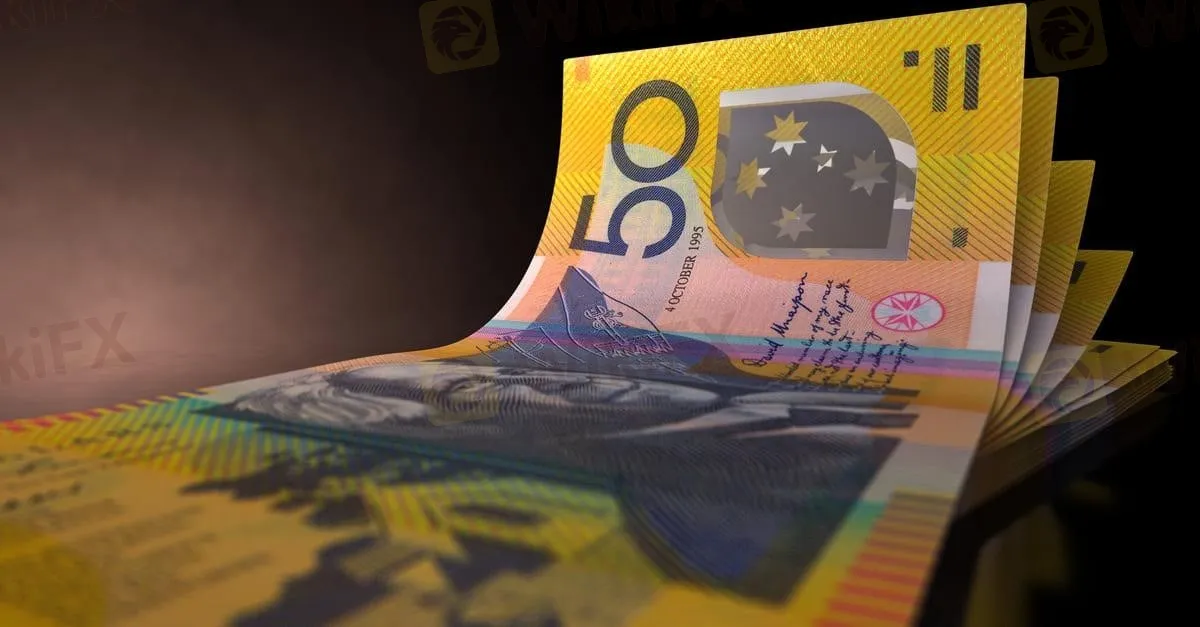
On Tuesday, market players will keep a close eye on the Monetary Policy Meeting Minutes of the Reserve Bank of Australia and look for any hints at further monetary policy tightening, a 50-point rate. If it happens, the AUD might get significant support.
Central Banks meetings
On Thursday, the ECB and the BoJ are expected to announce their rate decisions. Investors barely have any doubts that the European regulator will raise the benchmark interest rate by 25 basis points, the first time since 2011. However, they are looking forward to the press conference where the ECB is expected to announce the next rate hike as early as September. The Bank of Japan, on the contrary, is not anticipated to spring any surprises, but the volatility in JPY pairs might rise.

Inflation in Canada
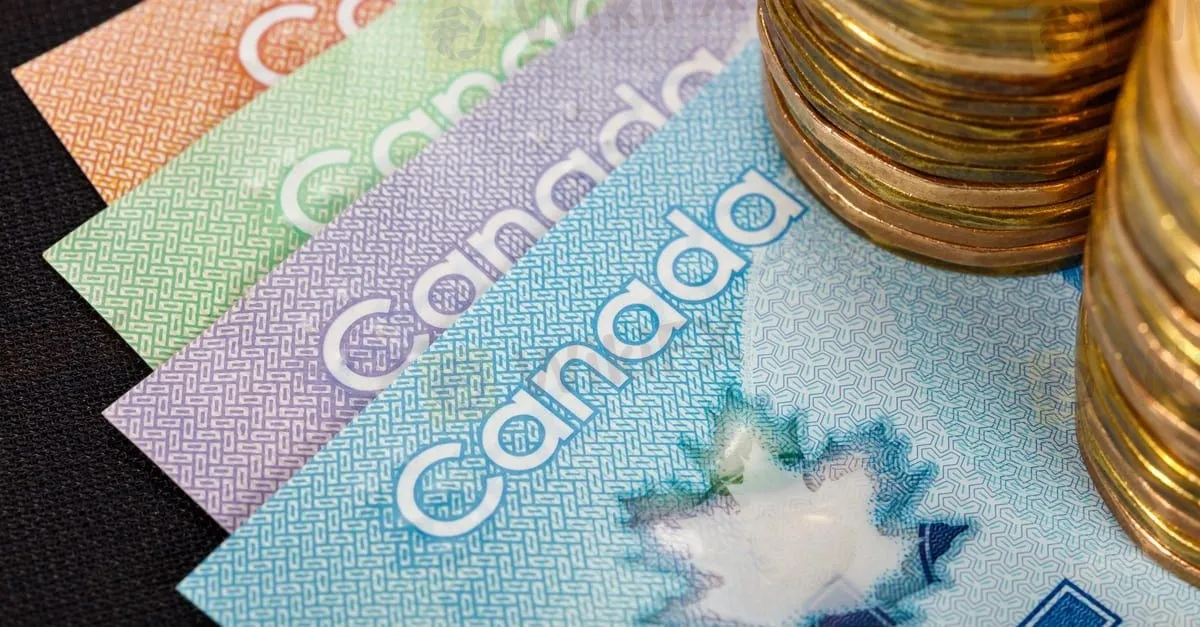
The data on Retail Sales and Core Retail Sales will be released on Friday. Inflation might continue rising and it will be a significant disadvantage for the CAD –despite the decision of the Bank of Canada to raise the rate, the national currency plunged after this news. Investors are really worried that this decision by the Canadian regulator might increase the risks of a recession.

Read more

KAMA Capital Review: Do Traders Lose Due to Slippage & Inappropriate Liquidation?
Looking to trade through KAMA Capital, a Mauritius-based forex broker? You must read user reviews concerning fund safety with this brokerage entity. The company, which has been around for two-five years, has received some negative reviews recently for its several trading activities. Users have reported these experiences on broker review platforms such as WikiFX. The negative KAMA Capital reviews highlight serious slippage issues, coupled with inappropriate liquidation issues. The article aims to provide a clear picture of these user allegations along with a regulatory overview of the broker. This will help you make an informed trading decision. Read on!
MTRADING User Reputation: A Deep Look into Real Complaints and Warning Signs
When traders look for information about a broker, their biggest worry is always capital safety. The question, "Is MTRADING safe or scam?" gets right to the point. Based on checkable information from worldwide broker regulatory websites, the answer comes with serious warnings. MTRADING operates with major warning signs, especially a status of "No Regulation" and a very low trust score. WikiFX, a third-party checking service, gives the broker an extremely low rating and clearly warns of "High potential risk". This article will break down the proof behind this conclusion. We will look at MTRADING's regulatory status, examine real user complaints recorded on public websites, and check its platform features to give a clear, fact-based view for any potential user.
MTRADING Legitimacy Check: Is This a Fake Broker or a Legitimate Trading Partner?
You're asking 'Is MTRADING legit?' or worried about an 'MTRADING scam', and that's the right question to ask before risking your funds. A deep look into MTRADING's background shows major warning signs that should make you very careful. This isn't a simple yes or no answer; it's a fact-based review of the risks. Our research, using data from independent broker checking websites like WikiFX, shows MTRADING has a very low score, which means there are serious problems. The main worries are about whether it's properly regulated and the troubling number of customer complaints.

Core Prime Withdrawal & Deposit: What You MUST Know Before Funding Your Account
For any trader, understanding how to move funds is extremely important. How you add funds to your account and, more importantly, how you take them out, including the profits earned on the platform, can shape your entire trading experience. You are likely here looking for specific information about Core Prime deposit and Core Prime withdrawal methods. This guide will explain the payment options the broker claims to offer. However, knowing the process is only part of the story. The other, more important part involves understanding the risks and whether the broker can be trusted. A nice-looking website and many payment options mean nothing if your capital is not safe. The main question we need to ask is not just *how* you can withdraw funds, but *if* you can. Can you trust that your funds will be safe and your withdrawal requests will be processed? Let's look at the facts.
WikiFX Broker
Latest News
GLOBAL PRIME Review 2026: Is this Forex Broker Legit or a Scam?
 WikiFX
Why That FCA Regulation Logo Might Not Protect You
WikiFXUS Dollar Sinks as Oil Plunges
WikiFXSTMarket Promotes Trading Education While Client Alleges $3,250 Withdrawal Delay
WikiFXHere's what to expect from Friday's release of the April jobs report
WikiFXMTRADING Legitimacy Check: Is This a Fake Broker or a Legitimate Trading Partner?
WikiFXTrilt Review 2025: Is This Forex Broker Safe?
WikiFX225 People Investigated as Singapore Losses Exceed S$4.8 Million
WikiFXLuxury Villas in Sabah Raided, 28 Foreign Suspects Arrested
WikiFXWhy Smart Beginners Keep Blowing Up Their Forex Accounts
WikiFXRate Calc

