FX analysis – USD bounces back, JPY, GBP and AUD all under pressure as risk sentiment sours.
Abstract:Tuesday's FX session is turning out to be a mirror image of Monday’s session Where the USD was battered against its major peers. Today, seeing almost a full retrace of those moves as USD is once again king.

Tuesday's FX session is turning out to be a mirror image of Mondays session Where the USD was battered against its major peers. Today, seeing almost a full retrace of those moves as USD is once again king.
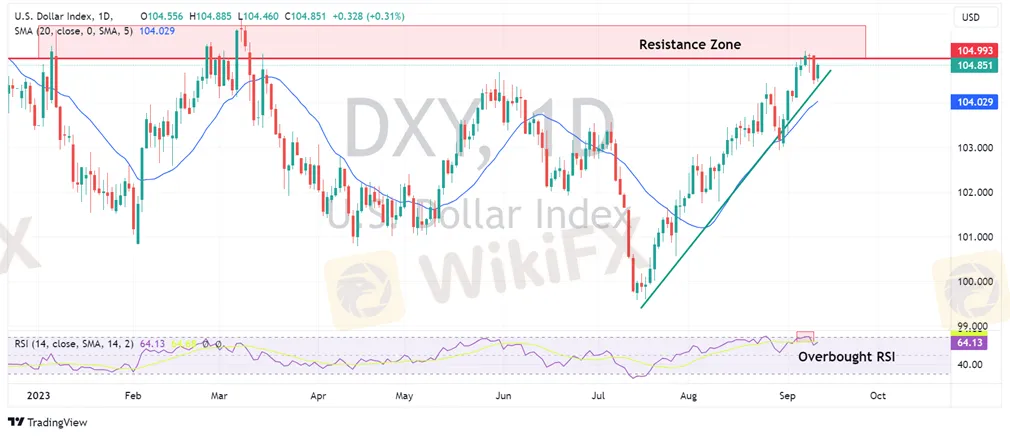
The Dollar Index (DXY) respected the upward trendline support that has led DXY higher since July (with the exception of a brief break in early September). A less aggressive CNH fix by the PBoC and sour risk sentiment also helping the Dollar. DXY rebounding strongly in Tuesday‘s session so far, the 105 level will be key. DXY has found increasing resistance above this level for the last 12 months and with an empty news calendar in the US a push higher through the key 105 level in today’s session would be tough going.
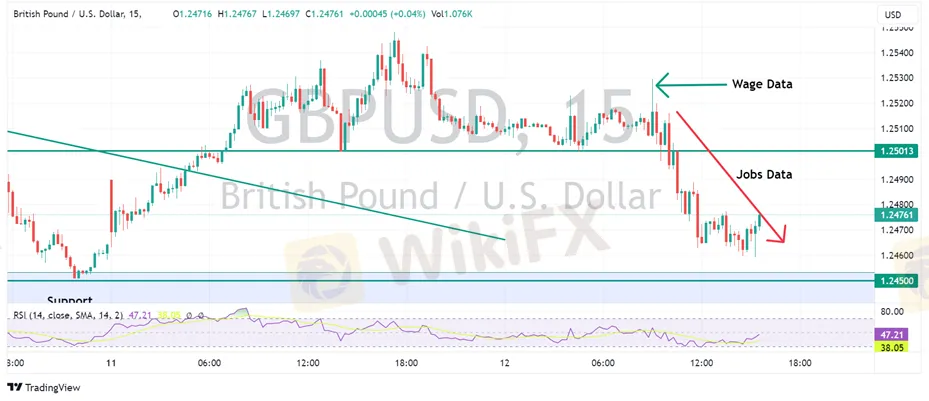
GBPUSD had an initial and very brief spike higher on a hot headline UK average earnings figure, but quickly retraced from a high of 1.2530 , losing the psychological 1.2500 as other jobs data painted a grim picture , with the unemployment rate a 200k+ drop in the employment and downward revisions on previous data weighing on Sterling.
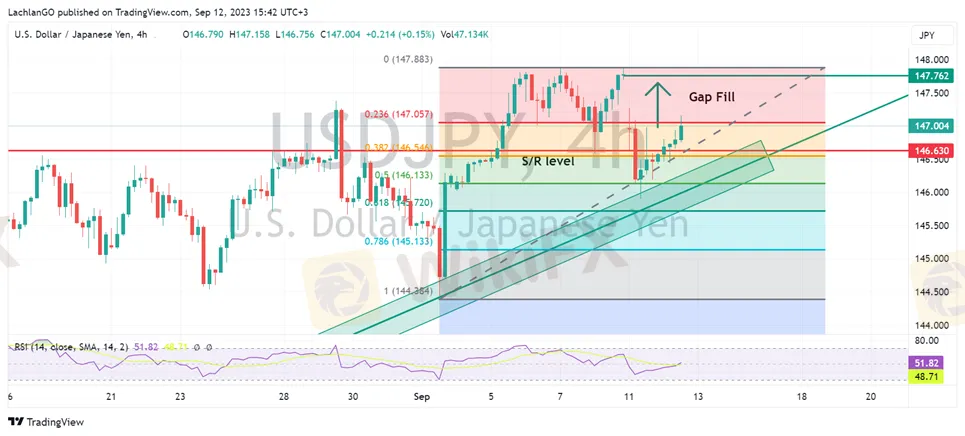
USDJPY continued to march higher, looking to fill the gap after the Monday open gap down on Japanese jawboning over the weekend. USDJPY did breach the psychological 147 level earlier in the session but has found some resistance there and at the 23.6 Fibonacci level (147.06) going into the US session.
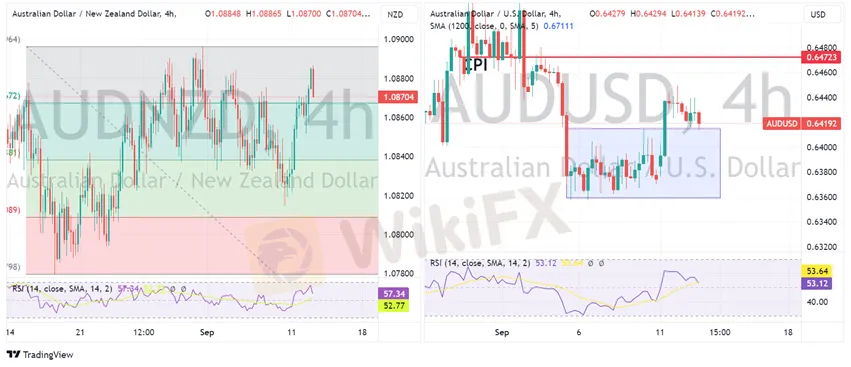
AUDUSD gave back some of the big gains in Mondays session, but a rebound in the price of iron ore and a relatively firm CNH helped the Aussie stem its losses against the USD and certainly out performed its Antipodean rival the NZD. AUDUSD holding the key 0.6400 level trading within 0.6417-40 , AUDNZD trading near the top of its recent range, getting to a high of 1.0885 in the Asian session. NZD undermined by downgrades to NZ fiscal projections in a pre-election report.
The US economic calendar is empty of key risk events in Tuesdays session, all eyes will be on tomorrows pivotal CPI report though.


Read more
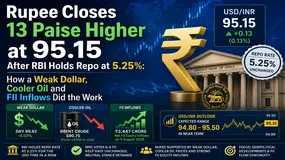
Rupee Ends 13 Paise Up at 95.15 After RBI Holds Repo at 5.25%: The Effect of a Weak USD, Cooler Oil
The Indian rupee settled at 95.15 against the US dollar on 5 August 2026, gaining 13 paise after the Reserve Bank of India's Monetary Policy Committee voted 6-0 to keep the repo rate unchanged at 5.25 percent for the third time in a row in FY27. The rupee had opened 46 paise higher, rallied to an intraday strongest of 94.89 ahead of the policy decision, and then drifted back as RBI Governor Sanjay Malhotra noted that the currency 'has not appreciated as intended despite the high flows from foreign shores.' A weak dollar index, a sharp pullback in Brent crude from above USD 100 in July, and net FII equity inflows of Rs 2,447 crore on Tuesday combined to support the rupee. USD-INR is expected to trade in a 94.80-95.50 band in the near term.

TickTrader White Label in 2026: Can You Add Liquidity Depth Without Adding Operational Blind Spots?
A TickTrader white label can look like the fastest route to a modern branded trading environment, but a fast launch is not the same as a controlled launch. This 2026 broker guide explains what the TickTrader platform is, where a Soft-FX broker solution can sit in a wider operating stack, and how to evaluate the difference between a white label, a server licence, and a connected CRM or Client Office setup. It also unpacks TickTrader cost beyond the monthly headline, including implementation, integration, support, data, governance, migration, and exit assumptions. Use the practical questions, workflow tests, comparison table, and launch checklist to assess a Soft-FX TickTrader provider without mistaking a feature demo for evidence that your brokerage can run the service safely at scale.

Fortex White Label in 2026: Can Your Liquidity Stack Scale Without Losing Control?
A Fortex white label can look like the fastest route to a modern branded trading environment, but a fast launch is not the same as a controlled launch. This 2026 broker guide explains what the Fortex platform is, where a Fortex broker solution can sit in a wider operating stack, and how to evaluate the difference between a white label, a server licence, and a connected CRM or Client Office setup. It also unpacks Fortex cost beyond the monthly headline, including implementation, integration, support, data, governance, migration, and exit assumptions. Use the practical questions, workflow tests, comparison table, and launch checklist to assess a Fortex provider without mistaking a feature demo for evidence that your brokerage can run the service safely at scale.

Best White Label Trading Platform 2026
The decision to switch white label providers or migrate to a modern white label trading platform is no longer a luxury for growth-minded brokers—it's a strategic necessity for survival in 2026. The convergence of technological stagnation, regulatory evolution, and shifting client expectations has created a perfect storm.
WikiFX Broker
Latest News
Apple Faces Lawsuit Over Fake Crypto App Exposing $1.8 Million Theft
 WikiFX
Trump Memecoin Faces SEC Scrutiny After Nearly One Million Investors Suffer Heavy Losses
WikiFX"They Want to See Your Face": Inside ATFX Cambodia's Rise
WikiFXSpread Cheating: The Invisible Trading Cost That Could Be Working Against You
WikiFXLevels Review: No Regulation and Mounting Withdrawal Complaints – What Traders Need to Know
WikiFXLQH MARKETS Review: Multiple Traders Report Withdrawals Blocked and Accounts Terminated
WikiFXBorn2trade Adds Copy Trading to 1:5000 Leverage Platform
WikiFXPILOTFX Review: What Traders Should Know Before Depositing
WikiFXLMAX Group Review 2026: Users Report Disturbing Withdrawal Issues - Is the Broker Still Reliable?
WikiFXTrade24Seven Review: What Traders Should Know Before Depositing
WikiFXRate Calc

