AI in Medicine: Diagnostics, Privacy, and Ethical Challenges

Abstract:The study explores the integration of artificial intelligence in modern healthcare diagnostics, highlighting its potential to improve accuracy while noting significant ethical concerns regarding patient data privacy.
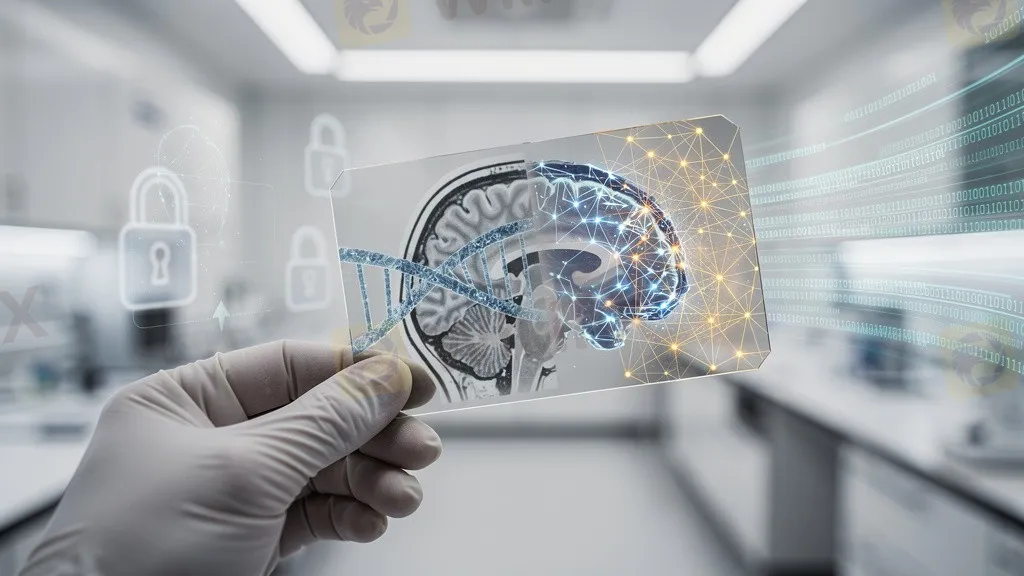
In recent years, the intersection of artificial intelligence (AI) and medicine has led to a paradigm shift in how clinicians approach diagnostics, balancing rapid technological innovation with ethical responsibility.
Algorithmic Precision and Performance
Machine learning algorithms, trained on vast datasets of medical imaging and genetic sequences, have demonstrated the ability to detect anomalies with precision often surpassing human experts.
Key Challenges: Privacy and Transparency
However, this technological leap is not without its obstacles. Data privacy remains a primary concern, as the sensitive nature of health information requires rigorous encryption and anonymization protocols.
Furthermore, the ‘black box’ nature of certain algorithms poses a challenge for transparency, making it difficult for doctors to explain specific diagnostic outcomes to patients.
Key Insights
- Adoption Trend: The intersection of AI and medicine is creating a paradigm shift in global diagnostics.
- Risk Factor: Rigorous encryption is required to address data privacy concerns surrounding large datasets.
- Core Obstacle: Resolving the black box transparency issue is critical for explaining outcomes to patients.
WikiFX Broker
Latest News
China Holds Rates Steady After Hitting 5% Growth Target, Easing Expected in Q1
WikiFXJPY Volatility Ahead: PM Takaichi Calls Snap Election Amid Rate Hike Speculation
WikiFXIs Forex Still Worth It in 2026? Global Central Banks Are Splitting
WikiFXThe Fed on Trial: Markets Brace for Supreme Court Showdown Over Central Bank Independence
WikiFXTrade War 2.0: Trump’s Greenland Ultimatum Rattles Transatlantic Alliance
WikiFXEuro Stabilizes as France Forces 2026 Budget; Bond Spreads Narrow
WikiFXJPY Volatility Spikes as PM Takaichi Calls Snap Election and Fiscal Gamble
WikiFXJGB Yields Breach 4% as PM Takaichi's Fiscal Gambit Triggers 'Sell-Off'
WikiFXScrolled, Clicked, Lost RM166,000: Factory Worker Trapped by Online Investment Scam
WikiFXChina Macro: Liquidity Trap Signals Persist Despite Credit Bump
WikiFXRate Calc

