JGB Yields Breach 4% as PM Takaichi's Fiscal Gambit Triggers 'Sell-Off'

Abstract:Japanese financial markets are witnessing a historic rout, with 40-year yields touching 4% following a failed bond auction and PM Sanae Takaichi's pledge to end fiscal austerity. The volatility puts immense pressure on the Bank of Japan to signal a rate hike as early as April to defend the Yen.
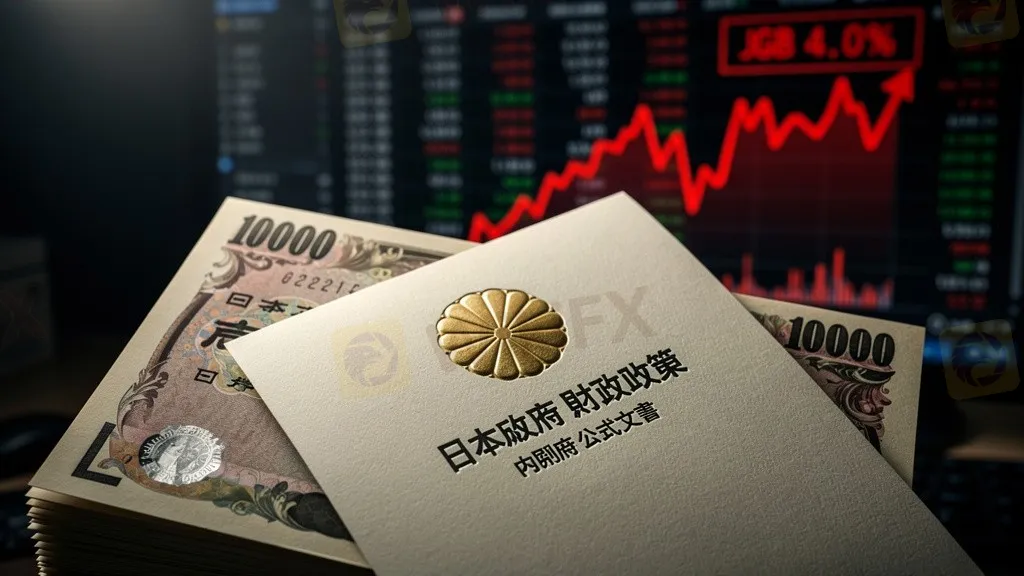
Japan is at the epicenter of a global bond market storm this Tuesday, suffering a brutal “double kill” in stocks and bonds. The catalyst was a collision of aggressive fiscal politics and a collapsing appetite for sovereign debt.
Bond Market Capitulation
The sell-off in Japanese Government Bonds (JGBs) reached historic levels following a dismal 20-year auction. The bid-to-cover ratio dropped to 3.19, significantly below the 12-month average of 3.34, signaling a drought in demand.
- 40-Year Yields: Touched 4.0% for the first time since their 2007 issuance.
- 10-Year Yields: Jumped 8 basis points to 2.35%, a level unseen since 1999.
- 30-Year Yields: Rose to 3.71%.
The 'Takaichi Shock'
Fueling the fire is Prime Minister Sanae Takaichi's surprise announcement of a snap election for February 8, alongside a pledge to dismantle “excessive fiscal tightening.” Her promise to cut consumption taxes and ramp up strategic spending has spooked investors, who fear a deterioration in fiscal discipline just as global rates rise.
BOJ Backed into a Corner
The sharp rise in yields and the continued depreciation of the Yen (hitting fresh lows against the Dollar before a slight rebound) has intensified pressure on the Bank of Japan (BOJ).
While the central bank is expected to hold rates at 0.75% this Friday, Governor Kazuo Ueda faces a critical dilemma. With inflation risks rising due to the weak Yen and potential fiscal expansion, sources suggest the BOJ is internally debating an April rate hike. The market will scrutinize Friday's economic outlook report for any upward revision in inflation forecasts or signaling of a hawkish pivot to stem the bleeding in the bond market.
WikiFX Broker
Latest News
Is Forex Still Worth It in 2026? Global Central Banks Are Splitting
WikiFXJPY Volatility Ahead: PM Takaichi Calls Snap Election Amid Rate Hike Speculation
WikiFXChina Holds Rates Steady After Hitting 5% Growth Target, Easing Expected in Q1
WikiFXThe Fed on Trial: Markets Brace for Supreme Court Showdown Over Central Bank Independence
WikiFXTrade War 2.0: Trump’s Greenland Ultimatum Rattles Transatlantic Alliance
WikiFXEuro Stabilizes as France Forces 2026 Budget; Bond Spreads Narrow
WikiFXJPY Volatility Spikes as PM Takaichi Calls Snap Election and Fiscal Gamble
WikiFXAI in Medicine: Diagnostics, Privacy, and Ethical Challenges
WikiFXTSMC Earnings Confirm AI "Supercycle," But Capacity Wall Looms
WikiFXChina Macro: Liquidity Trap Signals Persist Despite Credit Bump
WikiFXRate Calc
