RoboForex Review 2026: Severe Withdrawal Complaints and Regulation Risks
Abstract:The available data for RoboForex indicates a high-risk environment, reflected by a low WikiFX score of 2.50 and a lack of verified regulatory oversight. Recent user complaints heavily feature prolonged withdrawal rejections, frozen accounts, and official warnings from regional regulators.
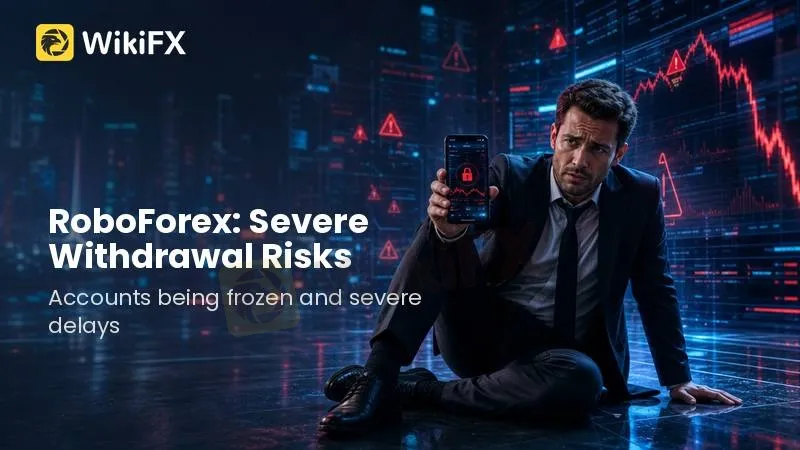
The available data for RoboForex points to significant risk, marked by a low WikiFX score of 2.50 and a lack of verified regulatory oversight. Recent user complaints heavily feature accounts being frozen and severe withdrawal delays. Indian traders should exercise extreme caution and verify current safety statuses before depositing any funds.
For anyone researching this RoboForex broker, the main question is whether it is safe to trust with your capital. While it has established operations dating back to 2013 offshore in Belize, longevity does not automatically equal security. In this RoboForex review, we evaluate the available WikiFX data and recent trader exposures to highlight what you need to know before handing over your money.
RoboForex Regulation and Safety
A broker's regulatory status is the first line of defense for a trader's capital. According to WikiFX information, there is no valid authorized regulator currently overseeing RoboForex's operations.
Furthermore, the available RoboForex regulation history includes negative disclosures from regional authorities. Regulators in Indonesia (BAPPEBTI) and Malaysia (SCM) have issued warnings regarding unlicensed capital market activities and unapproved commodity futures trading. For Indian readers, using an unregulated offshore entity means that if a dispute occurs over funds, you have severely limited external legal recourse to recover your capital.
WikiFX Score and Risk Signals
With a WikiFX score of just 2.50, the risk signals surrounding this platform are high. The data indicates that WikiFX received 36 user complaints within a brief three-month span. These alerts function as a direct warning to retail traders conducting due diligence. Strong promotional outreach or affiliate networks should never overshadow a low baseline safety score.
Platform Access and RoboForex Login Safety
WikiFX data shows the broker supports the popular MT4 and MT5 platforms, and the trading environment itself scored well in server speed and order execution tests. However, the MT5 setup evaluated by WikiFX lacked two-step verification (2FA) and biometric authentication, meaning base-level security relies entirely on your password.
Before entering your credentials on any RoboForex login page, ensure you are absolutely on the official domain. Scam domains often clone offshore brokers. Additionally, one user in the complaint logs alleged that an Introducing Broker (IB) managed to change their account password immediately after registration via an affiliate link, underscoring the need to preserve strict control over your login credentials.
Trader Complaints and Exposure Cases
The loudest risk signal comes from the `casesText` exposure logs. While a few users praise the broker's affiliate programs and low spreads, the volume and severity of financial complaints is highly concerning:
- Deposit Disappearances: An Indian user reported depositing $600 via USDT (BEP20). They allege that despite using the provided wallet address, the funds were never credited or refunded.
- Frozen Accounts and Profit Erasure: Multiple traders from Vietnam and China reported that their accounts were abruptly frozen the moment they attempted to withdraw profits. One trader claims a $150,000 balance is currently locked in an endless loop of document verification.
- Arbitrary Withdrawal Rejections: Traders from Europe (Belgium, Germany) faced bizarre withdrawal blocks despite passing full verification. Customer support allegedly blamed the traders' banks, citing an internal “Do not honor” error that the banks themselves subsequently denied.
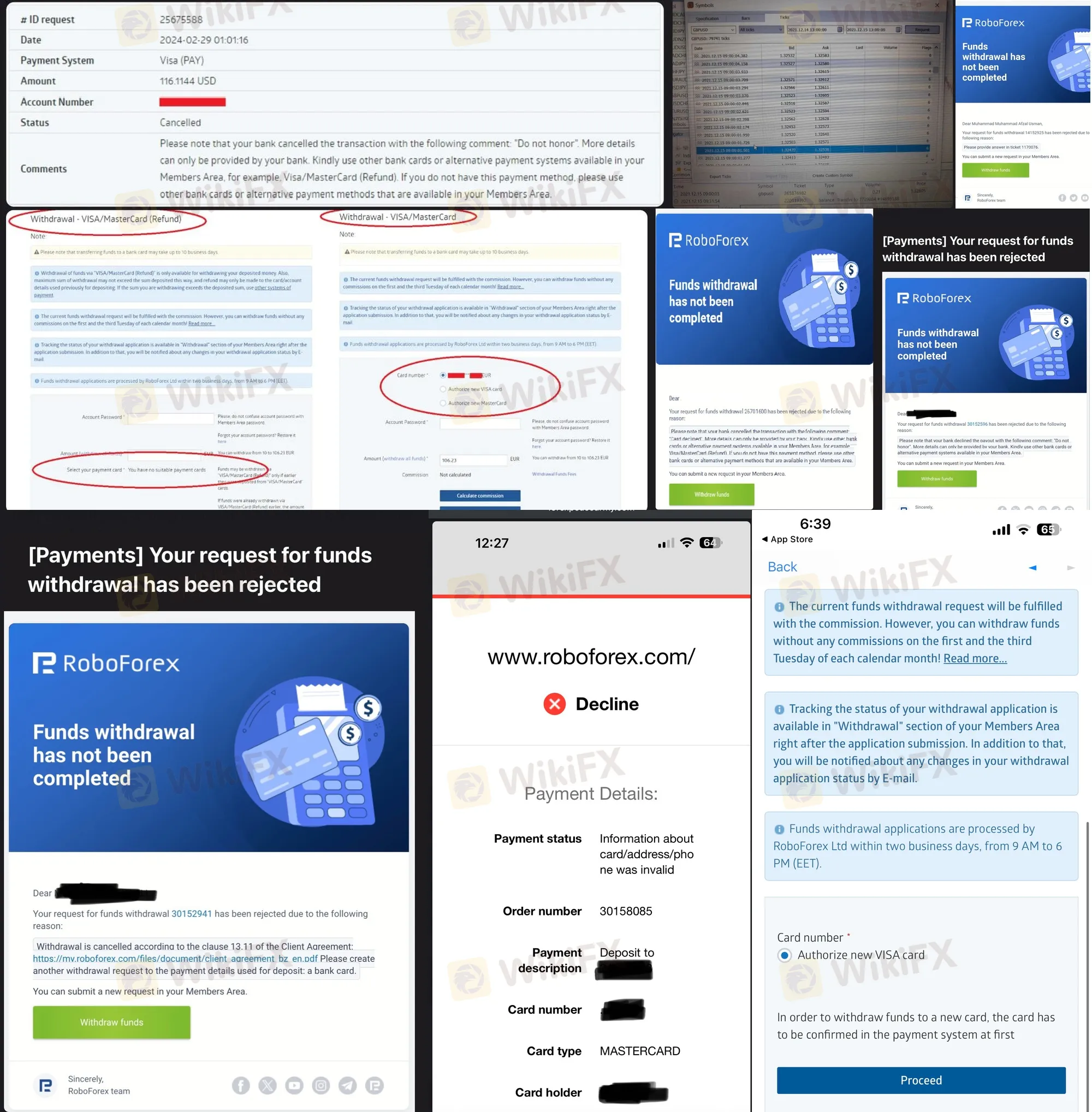
- Endless Verification Loops: A recurring pattern involves customer service stalling withdrawals for over four months by repeatedly demanding new “source of funds” or address documents.
Forex Trading Conditions and Withdrawals
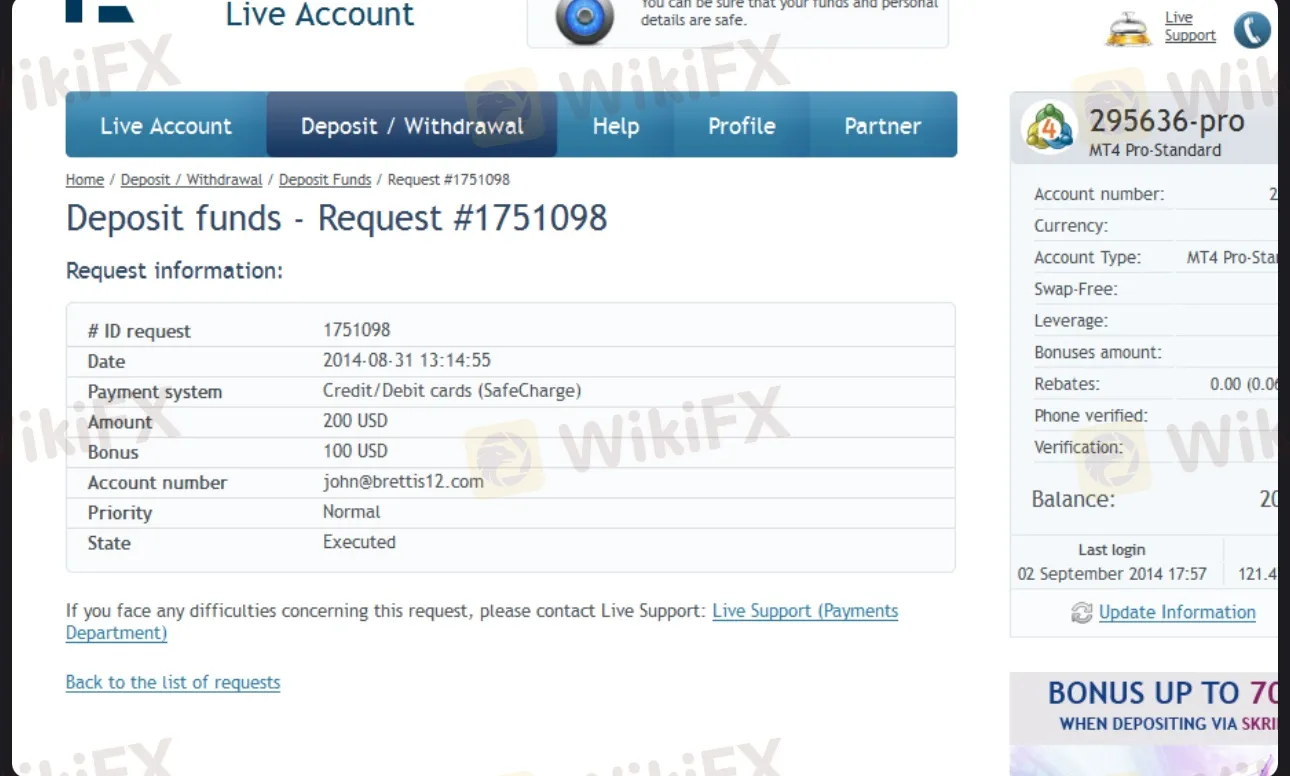
RoboForex advertises a variety of RoboForex Forex currency pairs and claims highly competitive spreads. However, good trading conditions only matter if deposits and withdrawals function reliably. The persistent operational complaints—where withdrawals are blocked and accounts are suspended for arbitrary reasons—suggest a hostile operational environment for profitable retail traders.
Final Verdict: Should Indian Traders Trust RoboForex?
The available evidence indicates that RoboForex operates with a high level of risk for retail traders. The combination of an unregulated offshore status, official warnings from Asian regulators, and a massive pattern of blocked withdrawals and frozen accounts makes it a dangerous proposition based on current data.
Status changes daily. Before depositing, check the WikiFX App for the latest real-time certificate and broker risk updates.

WikiFX Broker
Latest News
Why Sunk Costs Trap Traders in Losing Positions
 WikiFX
Hidden Traps Built Into Your First Forex Trading Plan
WikiFXIFA Review: KYC Withdrawal Blockade Meets an Unauthorized Broker Warning
WikiFXSageFX Review 2026: Should You Trade with This Broker?
WikiFXEasyEquities Review 2026: Should You Trade with This Broker?
WikiFXQuotex Review 2026: Blocked Withdrawals and Regulatory Warnings
WikiFXXPO Fund Wants $10,000 Before You Trade a Single Real Dollar — Read This Stunning Revelation
WikiFXBalancing Chart Volatility With Account Limits in Stop Loss Placement
WikiFXHTFX Review 2026: Withdrawal Complaints, Offshore Regulation, and Account Access Risks
WikiFXThe Dunning-Kruger Trap: How Beginner Forex Traders Can Overcome Overconfidence and Manage Risk
WikiFXRate Calc

