Deepfake Scams Nearly Drain $499K from Business

Abstract:Police warn of deepfake scams after a finance director nearly lost $499K. Learn how scammers use deepfake tech to impersonate execs and how to stay safe.
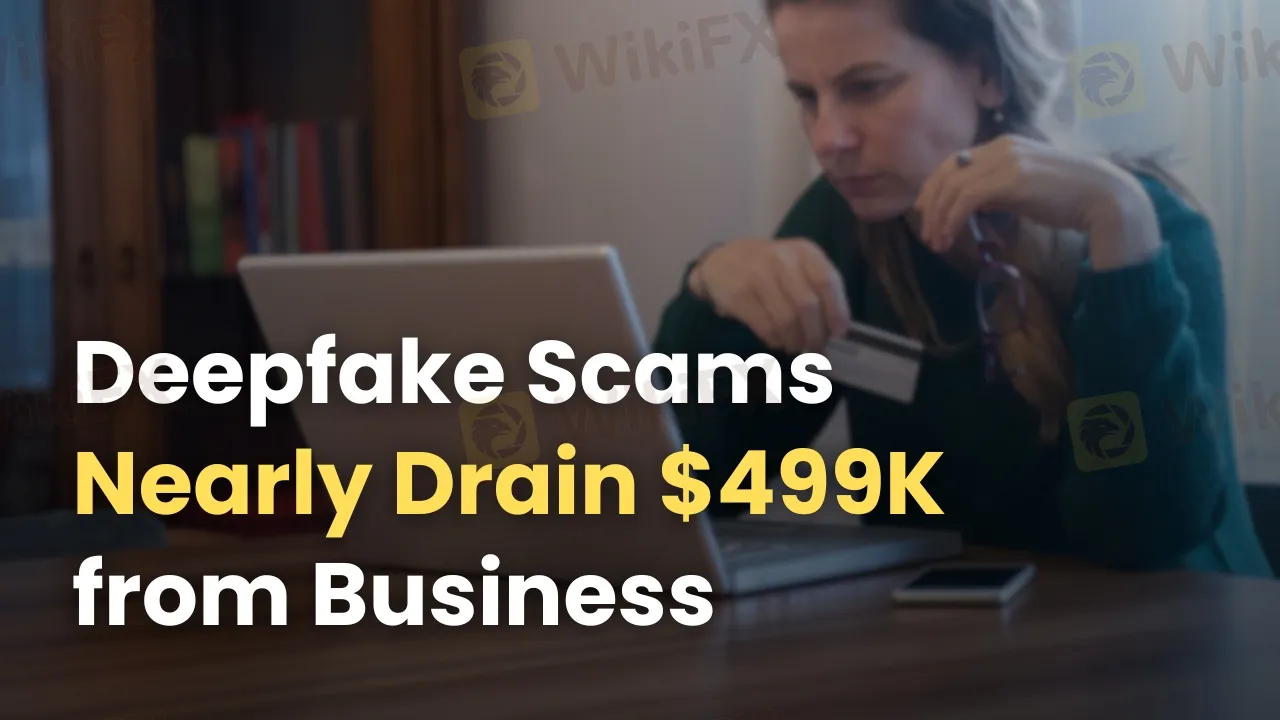
Scammers armed with deepfake technology came dangerously close to siphoning US$499,000 (S$670,000) from a multinational company, prompting a fresh police warning on April 7, 2025. The finance director of the firm was tricked by fraudsters posing as top executives in a scheme that blended digital trickery with old-school deception.
It all started on March 24 when the director got a WhatsApp message from someone pretending to be the chief financial officer. The scammer pitched a video conference about a regional business overhaul, set for March 26, and told him to liaise with a “lawyer” from a supposed partner firm. A man claiming to be that lawyer soon called, emphasizing the projects sensitivity and pushing him to sign a non-disclosure agreement.
The next twist came on March 25 when the conference was bumped up to that day. Joining the Zoom call, the director saw what he believed was the CEO and other key players—except they were deepfake impostors.
After the meeting, the fake lawyer instructed him to wire US$499,000 from the companys HSBC account to a local corporate account on March 26. He complied, unaware it was a mule account run by the scammers.

The money didn‘t stay put long. Over US$494,000 zipped off to Hong Kong accounts. The scam only came to light on March 27 when the fraudster demanded another US$1.4 million. Alarmed, the director contacted HSBC, which alerted Singapore’s Anti-Scam Centre (ASC).
Teaming up with Hong Kongs Anti-Deception Coordination Centre (ADCC), the ASC tracked the funds. By March 28, the ADCC had locked down the full sum in Hong Kong, while the ASC nabbed the leftover US$5,000 in the local account.
This near-miss highlights a grim trend. In 2024, scam losses in Singapore skyrocketed to $1.1 billion—the highest ever—with cryptocurrency fraud jumping to nearly 25% of the total, up from 6.8% in 2023. Police say deepfake scams like this one are a wake-up call for businesses everywhere.
To counter the threat, authorities are urging companies to tighten up. They suggest creating clear rules to authenticate video calls or messages, especially from senior leaders or partners. Employees should treat sudden transfer demands with skepticism and confirm them directly through known channels. The message is clear: dont take anything at face value.
The finance director dodged a bullet, but the incident shows how scammers are weaponizing deepfakes to mimic real people with eerie precision. For this company, quick action saved the day, but the next victim might not be so fortunate. Police are still digging into the case, hunting for the masterminds behind this bold ploy.
With deepfake technology in the wrong hands, the line between real and fake is blurring fast. Businesses need to wise up and stay vigilant—or they could be the next to lose big in this high-tech con game.

Read more

ITB Review: Top Reasons Why Traders Say NO to This Trading Platform
Finding it hard to withdraw profits from the ITB forex trading platform? Complying with the ITB no deposit bonus norms, but finding a NIL forex trading account balance upon withdrawal? Contacting the broker’s support officials, but not receiving any help from them? You are not alone! There are many such complaints against the Saint Lucia-based forex broker. In this ITB broker review article, we have highlighted some of these complaints. Take a look!
Scam Alert: 8,500 People Duped with Fake 8% Monthly Return Promises from Forex and Stock Investments
In a major revelation, the Economic Intelligence Unit of the Police Economic Offices Wing (EOW) is overseeing a cheating case where around 8,500 people were scammed in the name of 7-8% monthly return promises from forex and stock investments. While inquiring about the investment scheme, the Enforcement Directorate (ED), Surat, confiscated illegal cash worth INR 1.33 crore, foreign currency worth INR 3 lakh, and digital proof related to fraudulent transactions.
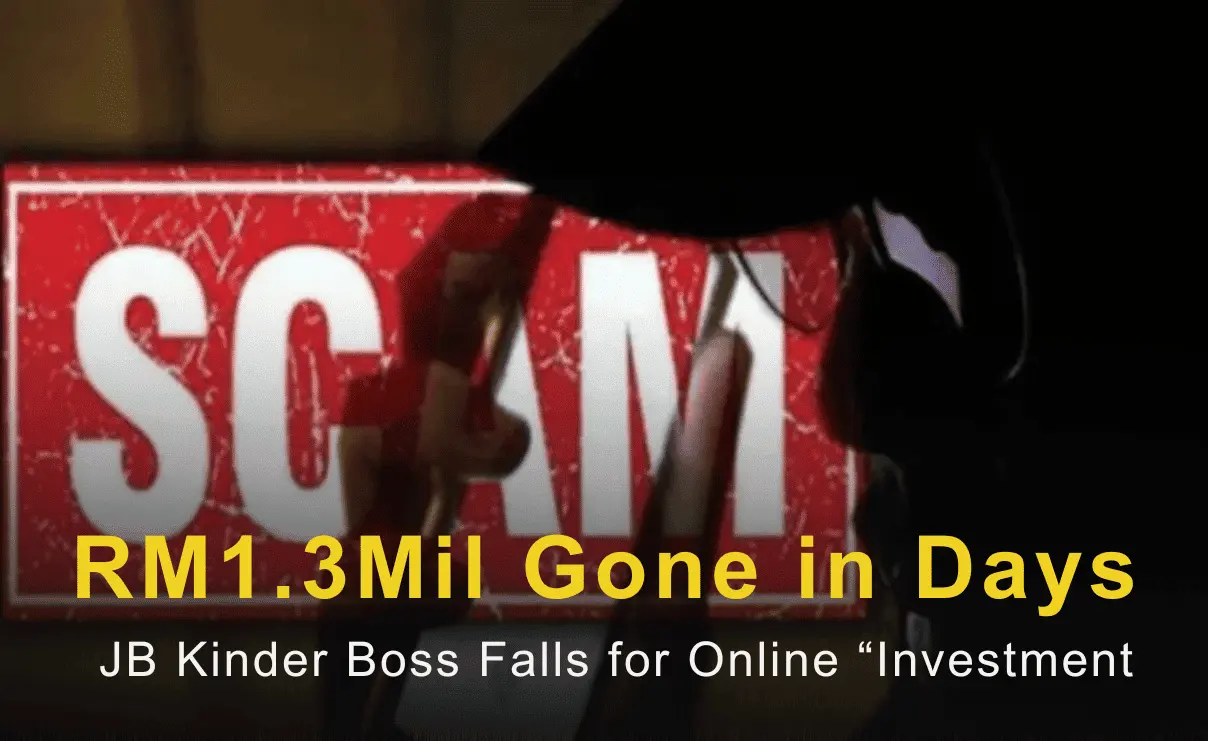
RM1.3Mil Gone in Days: JB Kinder Boss Falls for Online “Investment”
A Johor Baru kindergarten owner lost her life savings of RM1.3 million to a non-existent online investment scheme after responding to a social media ad promising returns of up to 41%. Between Nov 6–21, she made multiple transfers to several accounts and was later pressured to “add funds” to release profits that never materialised. She lodged a police report on Nov 28; the case is being probed under Section 420 (cheating).
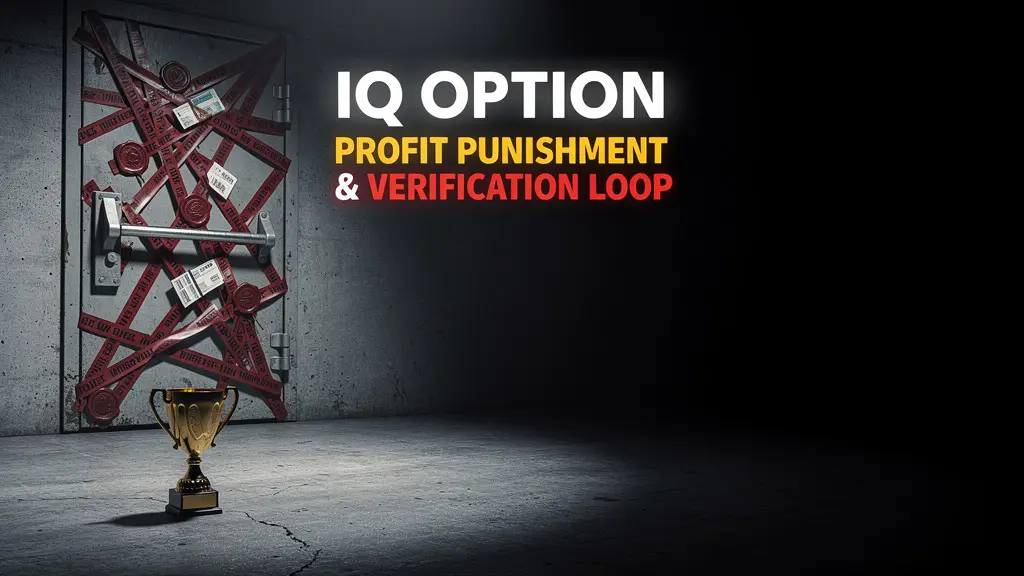
The "Verify Until You Quit" Strategy: Why Winning Traders Are Being Locked Out of IQ Option
IQ Option presents itself as a titan of the industry—slick apps, massive advertising campaigns, and an "AA" influence ranking that spans the globe. But beneath this polished veneer, our investigative team has uncovered a disturbing pattern emerging from hundreds of trader complaints. The data suggests a "roach motel" operational model: deposits are instant, but for a growing number of profitable traders, the exit doors are bolted shut.
WikiFX Broker
Latest News
Absolute Markets 2025: Is It Scam or Safe? Suitable for Traders in Pakistan?
WikiFXOffshore Forex Brokers Ramp Up Expansion in Vietnam as Authorities Crack Down on Scams
WikiFX'Worse Than COVID': Weak US Manufacturing Surveys Signal Stagflation In November
WikiFXScam Alert: 8,500 People Duped with Fake 8% Monthly Return Promises from Forex and Stock Investments
WikiFXUK snack brand Graze to be sold to Jamie Laing\s Candy Kittens
WikiFXFTMO Completes Acquisition of Global CFDs Broker OANDA, Marking a Major Milestone
WikiFXThinkMarkets Review: Why High Ratings Are Masking a "Withdrawal Black Hole"
WikiFXFXGROW Exposed: Complete Review & Customer Complaints Analysis
WikiFXThe Impossible Two Percent: Why Central Banks Cannot Afford Price Stability
WikiFXDeriv Review and Global Regulation Explained
WikiFXRate Calc

