Thailand Strikes Back: Online Scam Losses Plunge ฿195M+

Abstract:Thailand’s Anti-Cyber Scam Centre (ACSC) reported 392 fewer online scam cases and a 31.4% week-on-week drop in losses—over ฿195 million saved—driven by police suppression and public awareness. Authorities caution that syndicates are relocating and exploiting events (e.g., southern floods). While online purchase fraud remains most common, “reward transfer” scams now cause the highest losses, surpassing investment scams.
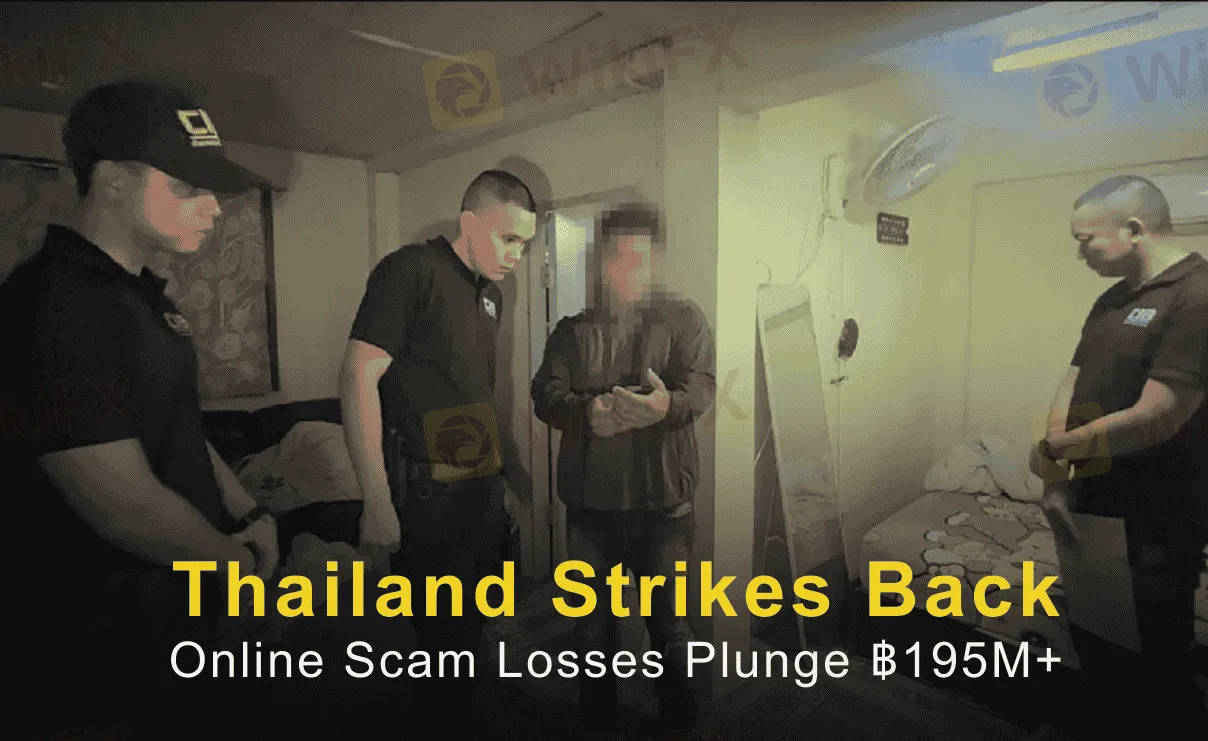
The Royal Thai Police‘s Anti-Cyber Scam Centre (ACSC) has released its latest weekly update showing a clear drop in online scam activity and losses. From 23–29 November, 6,533 cases were lodged via the Thai Police Online platform, with reported losses totalling 424.78 million baht. That’s 392 fewer cases than the week before and a reduction of 195.75 million baht in damages. Overall, reported losses fell by 31.40%, a sign that enforcement efforts and ongoing public awareness campaigns are having an impact.
Thai authorities caution, however, that the recent clampdowns are pushing syndicates to regroup and move. A major raid on the Shwe Kokko scam hub in Myanmar—where between 900 and 1,700 foreign suspects were detained—has triggered what police describe as “the great displacement,” with networks relocating and looking for new openings. At the same time, Thailands crackdown on mule accounts is making it harder for scammers to move money, adding further pressure on these groups to change tactics.
One worrying trend is the exploitation of real-world crises. With the southern provinces battling floods, scammers are reportedly using fake base stations to blast out bogus emergency alerts and compensation messages. Disinformation campaigns are also targeting anxious residents, preying on those seeking quick help or updates. Malaysia is seeing similar tactics: fraudulent SMS and WhatsApp messages impersonating government agencies, plus fake Facebook pages soliciting “emergency” donations and urging immediate transfers without verification.
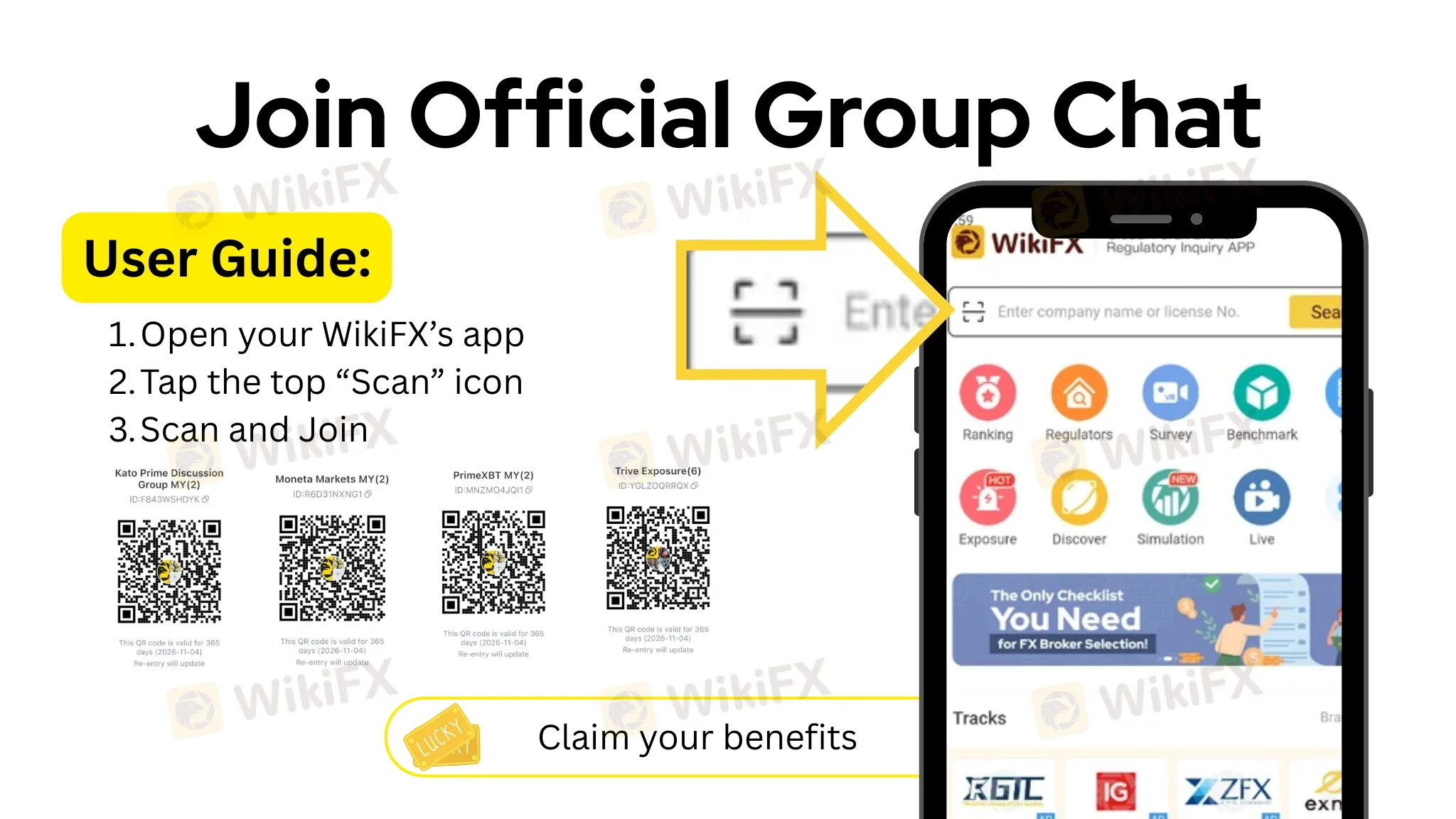
For Malaysians, the takeaway is straightforward: stay sceptical of offers or alerts that seem urgent, lucrative, or too convenient. Before putting money into any online investment, check whether the platform is licensed and regulated. Tools like the WikiFX mobile app (on Google Play and the App Store) allow users to search brokers, verify regulatory status, read reviews, and assess safety ratings—useful steps to avoid unlicensed platforms and understand the risks before you commit funds.
As always, if an opportunity looks effortless or promises outsized returns, treat it as a red flag. Online scams evolve quickly, but a little due diligence goes a long way in keeping your money safe.
Read more

Neotrades Review: Traders Claim Profit Cuts, False Assurances & Unfair Terms
Do you feel constant pressure from Neotrades to deposit your forex capital? Were you given a false assurance by the broker on recovering your trade losses? Have all your profits been wiped to ZERO on the Neotrades login? Does the Mauritius-based forex broker apply stringent terms and conditions for profit withdrawals? In this Neotrades review article, we have showcased these complaints. Read them below.
FXFlat Exposed: Traders Report Withdrawal Issues, High Slippage & Poor Customer Support Service
Making profits, but FXFlat is cancelling all of them? Do you constantly face losses due to slippage by the Germany-based forex broker? Is your forex trading account getting deactivated after making the FXFlat withdrawal request? Do you have to constantly deal with poor customer support issues? You are not alone! Many traders have openly expressed their frustration over these issues online. In this FXFlat review article, we have shared some of their complaints. Read on!
When the Licence Disappears: What Traders Overlook About Their Brokers
In the foreign exchange and online trading industries, regulation is often referred to as a technical requirement. Yet for traders of all levels, a broker’s regulatory status is one of the most fundamental markers of safety and transparency. When a broker loses its licence, it is never a minor administrative event. It signals structural problems that can place client funds and trading conditions at significant risk. Understanding why brokers lose their licences, what it means, and how traders can stay informed is essential in today’s rapidly shifting financial landscape.
Delta Fx Review: Are Technical Glitches and Scam-Like Practices Draining Trader Profits?
Did you have to email a lot to get your forex trading account live on Delta Fx? Do you lose trades because of frequent MT4/MT5 trading platform issues on the Delta Fx login? Do the broker’s customer support officials fail to resolve your trading queries? Have you also faced profit removal issues at the UK-based forex broker? Many traders have pointed out these trading flaws online. In this Delta Fx review article, we have analyzed many such complaints. Take a look!
WikiFX Broker
Latest News
Offshore Forex Brokers Ramp Up Expansion in Vietnam as Authorities Crack Down on Scams
WikiFXAbsolute Markets 2025: Is It Scam or Safe? Suitable for Traders in Pakistan?
WikiFXEPlanet Broker Review: Detailed Look at Regulation, User Experiences & Reported Complaints
WikiFXThinkMarkets Review: Why High Ratings Are Masking a "Withdrawal Black Hole"
WikiFXDeriv Review and Global Regulation Explained
WikiFXDelta Fx Review: Are Technical Glitches and Scam-Like Practices Draining Trader Profits?
WikiFXDB Group Unveils Major Fintech Upgrades Across Trading, Payments, and Institutional Services
WikiFXIn-Depth Review of Stonefort Securities Trading Conditions and Execution – What Traders Should Know
WikiFXWhen the Licence Disappears: What Traders Overlook About Their Brokers
WikiFXM4Markets Latin America Expansion 2026 Gains Pace
WikiFXRate Calc

