3 Malaysians among 49 detained in Cambodia cyber scam raid

Abstract:A cross-border cybercrime raid in Cambodia led to the arrest of 49 individuals, including three Malaysians, linked to an organised online investment scam network targeting regional victims. The case highlights the growing scale and sophistication of Southeast Asia’s scam operations and underscores the importance of vigilance and cross-border enforcement in combating digital financial fraud.
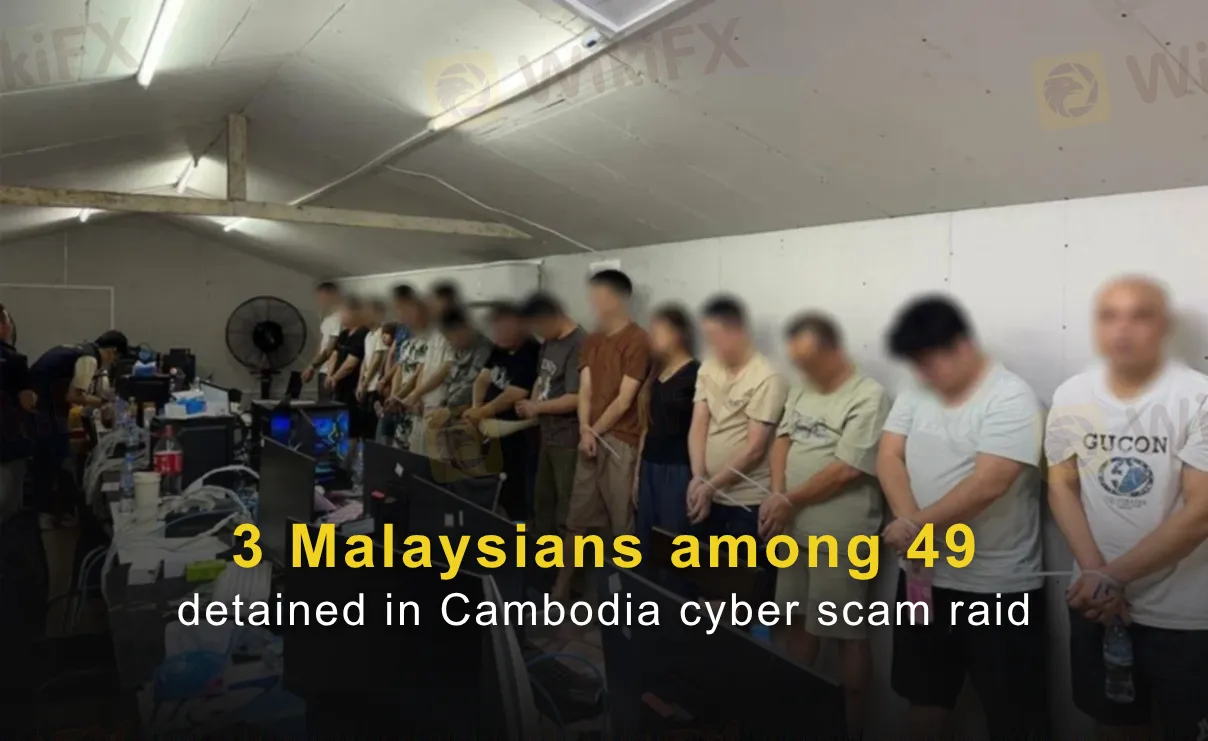
Three Malaysians were among 49 individuals arrested in a recent police raid targeting an alleged online scam operation in Cambodia, as authorities intensify efforts to combat cross-border cybercrime. The operation was conducted by a joint task force under the Phnom Penh Unified Command Committee at a hotel in Khan Sen Sok, following orders from Phnom Penh Governor Khuong Sreng. The raid was led by Police Commissioner Choun Narin, with legal oversight provided by Deputy Prosecutor Chhay Hong.
Among those detained were 43 Chinese nationals, one Vietnamese woman, one Myanmar woman and one Cambodian woman, in addition to the three Malaysians. Authorities also seized a substantial amount of equipment believed to be linked to the scam operation, including dozens of computers, hundreds of mobile phones and multiple Malaysian SIM cards, indicating the scale and organisation of the syndicate.
Preliminary investigations suggest that the group had been using Cambodia as a base to carry out fraudulent activities, primarily involving fake investment schemes targeting victims in Malaysia and other countries. Officials believe the syndicate may have recently relocated its operations from Thbong Khmum province in an effort to evade detection. All suspects and seized items have since been handed over to Phnom Penh police for further investigation, as authorities continue efforts to identify and apprehend other individuals connected to the network.
At the same time, Cambodian authorities have urged landlords to remain cautious when renting properties to foreign tenants, particularly those suspected of involvement in illegal or cybercrime-related activities. Prime Minister Hun Manet has reiterated the governments commitment to eradicating online scam operations, emphasising that Cambodia is not a safe haven for cybercriminals and that offenders will face strict legal consequences.
This case highlights the growing presence of organised scam networks across Southeast Asia, many of which operate across borders and target victims through digital platforms such as social media and messaging applications. For Malaysians, it serves as a timely reminder that overseas-based scam operations can easily reach local victims, reinforcing the importance of vigilance and careful verification before engaging in any investment opportunity in todays increasingly interconnected digital environment.
Read more
Saxo Review 2026: Withdrawal Issues, Account Blocks & Execution Complaints Exposed
Did the Saxo broker reject your withdrawal requests after allowing some initially? Did your account get blocked while attempting a withdrawal? Have you suffered a glitch in your trade orders by Saxo, including the stop-loss? There have been many such complaints regarding Saxo on several broker review platforms. Among the complaints, we have focused on the recent ones, with most being reported in 2026. This gives you an idea of the current state. Before that, we will have a slight glance at its product offerings. Let’s start investigating in this Saxo review article.

Investigating BotBro - The Mastermind of Alleged INR 800 Crore Forex & Crypto Trading Scam
BotBro is a Dubai-based forex broker that has continued to grab headlines for years, with its name being involved in one scam after another. In the latest episode, its name was found in the alleged INR 800 crore forex and crypto trading scam in Goa. Top-level agencies, including the Enforcement Directorate (ED), are investigating the case. They have labeled the platform as a Ponzi scheme. The platform is disguised as an AI-powered forex trading app. In connection with this case, the Goa Police Economic Offences Cell (EOC) filed a First Information Report (FIR) against 10 individuals, including the company owner, Lavish Chaudhary Alias Nawab Ali, for fund misappropriation worth over INR 7.3 crore. Read on as we share the BotBro review in this article.

DUHANI Deposit and Withdrawal Methods: A Complete 2026 Trader's Guide
Learning how a trading company handles deposits and withdrawals is one of the first things every trader should do. Before investing, you need to know exactly how you can add funds to your account and, most importantly, how you can withdraw the same. This guide takes a close look at the payment methods that DUHANI says it offers. But the payment methods themselves aren't the most important thing. The bigger question is: can you trust this broker? Keeping your deposits safe and making sure you can actually withdraw your funds are the most important things to think about. Before transferring funds to any broker, you must do your homework. Whether a broker is properly regulated and what real users say about it are the best ways to tell if it can be trusted. We strongly suggest that traders do their own research. A quick search for "DUHANI" on a checking website, such as WikiFX, can give you lots of information, including details about regulation, user reviews, and complaints from other pe
DUHANI User Reputation: Looking at Real User Feedback and Common Complaints to Check Trust
Picking a trustworthy broker is the most important decision any trader will make. It's the foundation that supports your entire trading plan and financial safety. DUHANI Capital has become a platform that gets a lot of attention, but for mixed reasons that need careful investigation. The main question for people who might use it or already use it is simple: Is DUHANI Safe or Scam? Online searches show confusing results. You might find positive reviews that praise the platform. But you'll also find many serious complaints and official warnings from regulators, which creates doubt. For careful traders, this mixed information is a major warning sign. This article aims to clear up the confusion. We won't rely on marketing claims or unproven praise. Instead, our goal is to give you a clear answer based on evidence. We will carefully study DUHANI's regulatory status, examine real user complaints, and take a close look at positive reviews, using verified data from independent broker researc
WikiFX Broker
Latest News
Anatomy of Currency Pairs: Why New Traders Start With EUR/USD
WikiFX'Resumption of hostilities': seized ship, vessel attacks push U.S.-Iran ceasefire toward brink
WikiFXDaman Securities Regulation: Is It Safe or High Risk?
WikiFXPrimeWaveFX Review 2026 – Should You Trade With This Broker?
WikiFXXTB Fined PLN 20 Million by Polish Regulator Over CFD-Related Compliance Issues
WikiFXSEB Regulation: Is SEB Licensed or High Risk?
WikiFXWhy Paid Forex Signals Cannot Replace a Personal Trading System
WikiFXAxi Says 46% of Clients Now Hold Crypto Exposure
WikiFXDUHANI Regulation & License Review: Is This Broker Safe? An In-Depth Analysis
WikiFXCAPITARIA Review 2026: Should You Trade With This Broker?
WikiFXRate Calc
