QuickTrade brokerage firm redefines online trading in a digitally conscious world
Abstract:QuickTrade works under Financial Services Conduct Authority guidelines and as its client, you enjoy unlimited leverage offered by South Africa, which is one of the last regulatory centers to do so.
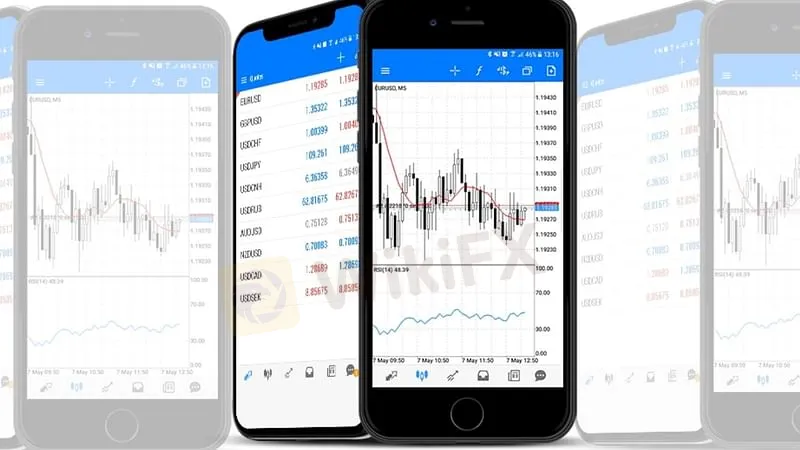
One of the most brilliant benefits of dealing with the South-Africa-based QuickTrade brokers is the unlimited leverage that you enjoy in online trading. Since the firm works under the guidelines of the Financial Services Conduct Authority (FSCA), as its client, you enjoy the unlimited leverage offered by South Africa, which is one of the last regulatory centers to do so.
You can use the companys website to open an account for yourself, whether you are an individual trader or an institutional trader. A big button on the website guides you towards a portal where you can fill in your personal and financial details, describe your trading background and confirm your citizenship and identity.
Once all this is done, you will be asked to send verification documents through a secure process of email. Post that, QuickTrade will practice due diligence in ascertaining your credentials and antecedents before your account is approved. This last step is necessary so that only serious and genuine clients approach the company. It saves a lot of time and effort, which can then be invested into raising the fortunes of clients who are sincere in their intentions.
Based in South Africa, QuickTrade is a forex and CFD brokerage firm, which is also authorised to provide advisory and intermediary services regarding shares, derivative instruments and warrants, certificates, etc. under license from FSP. Once your account goes live, you can ascertain your personal objectives such as financial condition and requirements for the future before going to the QuickTrade website and reading its risk disclosure agreement, which contains only general information. If you want, you can also check out some independent professional advice before going ahead on their platform, which is MetaTrader 5.
The online trading is done in more than 30 currency pairs, which include USD/ZAR and stocks, ETFs, crude oil, natural gas, platinum, palladium, gold, silver, etc. Working under the aegis of the FSCA, QuickTrade offers you a safe way to make your investments and keep them secure for the future.

Read more

XPO Fund Wants $10,000 Before You Trade a Single Real Dollar — Read This Stunning Revelation
If you have spent even a week inside trading communities lately, you already know the pitch by heart. Pass a quick "challenge," get handed a funded account worth tens of thousands of dollars, and keep up to 80% of everything you make. No risking your own savings, no slow grind of building capital from scratch — just skill, a small fee, and a fast track to the big leagues. It is the exact dream every new trader is secretly chasing, and an entire industry has sprung up to sell it. XPO Fund is one of the louder voices selling that story right now. Its website is slick, its plans sound generous, and its marketing leans hard on words like "industry's lowest fee" and "fast payouts." But before you reach for your card, there is one number sitting quietly on this firm's profile — a number it would rather you scroll past — that every experienced trader would beg you to look at first. And no, it is not the profit split. Let's pull XPO Fund apart piece by piece: what it actually is, who is real
The 6 Best ECN Brokers for 2026: Who Really Delivers Raw Spreads and Institutional-Grade Execution
Every broker with a marketing budget now slaps the letters "ECN" on its homepage. Few of them actually deliver what those letters promise. For a serious trader — a scalper, a day trader, an algo trader, anyone whose edge lives or dies on execution quality — the gap between a true ECN broker and a market maker wearing an ECN costume can quietly cost you hundreds of pips a year in slippage, requotes, and inflated spreads. So we cut through the marketing, looked at the brokers that genuinely offer raw pricing and deep liquidity, and cross-checked every one of them on WikiFX. Here are the six ECN accounts that actually earn the label in 2026 — ranked. First, a short primer, because understanding ECN is what lets you judge these brokers properly.
FX Novus vs VCG Markets:Two Brokers, Two Very Different Kinds of Risk — Which One Is the Lesser Evil
If you have been shopping around for a forex broker and landed on FX Novus and VCG Markets, you have stumbled onto a genuinely instructive pair. On the surface they look like cousins: both are relatively young, both wave around multi-asset trading and tight spreads, and both operate from the kind of offshore corners of the world that should make any beginner slow down. But dig into the data on WikiFX and the two part ways sharply. One carries active, screaming red flags. The other is merely standing in a yellow zone. Neither is what a cautious newcomer would call "safe" — but understanding how they differ is exactly the kind of lesson that protects your money. Let's put them head to head, decode the jargon along the way, and reach an honest verdict.
Deposited at New Frontier, Then Locked Out—Funds Never Came Back - The Real Story of a Trader
There are few feelings in trading more sickening than this one: you funded your account, you walked away confident your money was safe, and when you came back to check on it, the platform calmly informed you that your login details were wrong. Not your trades — your very identity, locked out. And on the other side of that login screen sits a balance you can no longer touch and a support team that has gone silent. That is the heart of a complaint filed against New Frontier on WikiFX. One trader reported depositing 40,500 pesos, returning to log in with the exact email and password they had registered, and being told the data was "incorrect" — which, in their words, meant their earnings had simply been taken. Customer service, they said, did not react. Let's look closely at this broker, what makes its profile so unsettling, and why verification here is not optional.
WikiFX Broker
Latest News
How to Read Market Reversals Through Price Action and Indicators
 WikiFX
A Single TikTok Ad Cost Him RM100,000
WikiFXLONG ASIA Review: Broker Complaints, Regulation Gaps, and Withdrawal Alarms
WikiFXHow Proprietary Trading and Artificial Volume Move Prices
WikiFXCrude Jumps Amid Structural FX Shifts
WikiFXAximTrade Review: Regulation Warnings and Broker Withdrawal Complaints
WikiFXHow the Long Shadow Trap Ruins Reversal Trades
WikiFXAsian FX Markets Modernise As Crude Oil Surges
WikiFXInstitutional FX Volumes Edge Higher in May 2026
WikiFXKANAK CAPITAL MARKETS Review 2026: Official Warnings and Withdrawal Risks
WikiFXRate Calc

