Canada’s economy has scope to slow with vacant jobs, central-bank governor says
Abstract:Bank of Canada Governor Tiff Macklem said there is scope to slow the economy based on an “exceptionally high number” of job vacancies in the labor market.

Bank of Canada Governor Tiff Macklem said there is scope to slow the economy based on an “exceptionally high number” of job vacancies in the labor market.
In an interview aired on CBC Radio on Sunday, Macklem said the current inflation fight is the biggest test the central bank has faced since it started targeting inflation 30 years ago.
But he assured Canadians that monetary policy is working and he expected inflation to return to the central bank‘s 2% target by 2024. Canada’s headline inflation rate dropped to 7.0% in August, with core inflation running at about 5%.
“We need to cool the economy, (but) we dont want to over- cool the economy,” Macklem said.
“When we look at the economy right now, there is an exceptionally high number of vacant jobs … thats a clear signal that there is scope to slow the economy, without a lot of people put out of work,” he added.
Canadian employers were actively looking to fill nearly 1 million jobs as of July, data released on Friday showed, while the job vacancy rate dropped to 5.4% in July, from a peak 6.0% in April 2022.
The Bank of Canada has raised its benchmark interest rate by 300 basis points since March, one of its steepest and fastest tightening cycles ever. Economists and money markets are leaning toward a 50-basis-point increase on Oct. 26.
Macklem said parts of the economy that are sensitive to interest rate increases are starting to slow.
“Let me be clear, what we don‘t want is … inflation and wages to become unmoored to our 2% objective, because if that happens, then we are actually going to need to slow the economy a lot more to get the inflation back to 2%. That’s what we have been what we call front-loading our interest rate increases,” Macklem added.

Read more

Low Latency Trading: The Milliseconds That Can Make or Break Your Profits
Time is precious, more so in forex trading, where a millisecond delay can either make your winning position turn into a regretful loss or cut short your profit so much that it feels like a loss. While going through numerous user reviews, we often come across the disappointing experiences of slippage draining out their profits due to slow trade order execution. In this article, we have elaborated on low latency, its impact on your trading experience, a host of factors that determine it, etc.

Is plexytrade Losing Customer Trust? A 2026 Review of Pending Withdrawals & Account Suspensions
As we examine plexytrade, we come across attractive terms like opening the account with just $50 and enjoying 100% tradable bonus and 120% cash bonus. These terms can prompt anyone to open a plexytrade trading account. But as an informed trader, you need to go beyond these marketing terms. What is the real-time trading experience? Are users receiving the benefits as promised? The plexytrade reviews shared by users online indicate that not everything is good at this broker. Traders have claimed pending withdrawals, high slippage eating into their margins and unwanted account suspensions by the broker. In this article, we have examined user allegations as well as provide our in-depth perspective into the broker’s regulatory status.
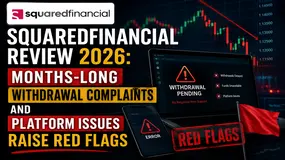
SQUAREDFINANCIAL Review 2026: Months-Long Withdrawal Complaints and Platform Issues Raise Red Flags
The moment the SQUARED FINANCIAL review column opens, a pattern of disturbing complaints appears, demonstrating massive user frustration over alleged withdrawal denials for months, fund disappearance from the platform, frequent login issues and more. These may be user allegations, but the lack of response from the broker side on many such reviews causes some doubt over this Seychelles-based brokerage firm. This article thus aims to provide an insight into the growing user resentment considering the nature of their complaints found until June 2026. Additionally, we will share the broker’s offerings and regulatory framework, allowing you to figure it out better.

Telegram Banned in India? Here's What Traders Must Do Next
Yes, it’s true! The Government of India decided to ban Telegram in the country on June 16, 2026, surprising many who rely on this platform for daily trading alerts & advisories. The ban has taken effect under Section 69A of the IT Act as part of the government’s plan to stop fraud during the NEET-UG re-examination. According to reports, fraudulent rackets were selling fake question papers for amounts ranging from INR 5,000 to 50,000. But the ban, which will be effective until June 22, 2026, affects far more than students. It transcended from a messaging blockout to a sudden disengagement from the app that shaped many traders’ daily routine over time. Out of the 15 crore plus unique registered investors in India, a large chunk sought trading tips, market news, along with buy and sell signals on Telegram. It must have taken investors by surprise. But is the ban detrimental to traders, or is there something more than meets the eye?
WikiFX Broker
Latest News
Why Employment Data Releases Destroy Short-Term Forex Trades
 WikiFX
Reading Hammer and Engulfing Candles to Time Trade Entries
WikiFXReal Trades vs. Fake Algorithms: Lessons From a $125 Million Scam
WikiFXCrude Rebounds Over Strait Closure
WikiFXRate Calc

