Exclusive Markets: A Closer Look at Its Licences
Abstract:When choosing a broker in online trading, regulation matters just as much as trading features. A broker may offer attractive tools and tight spreads, but if it lacks strong oversight, traders may face real risks. Exclusive Markets is one such broker where this balance should be looked at closely.

When choosing a broker in online trading, regulation matters just as much as trading features. A broker may offer attractive tools and tight spreads, but if it lacks strong oversight, traders may face real risks. Exclusive Markets is one such broker where this balance should be looked at closely.
According to WikiFX, a platform that checks brokers' licences and safety, Exclusive Markets has a low WikiScore of 2.31 out of 10. This score is based on factors like regulation, trading environment, software, and risk control. While the broker has been around for over 10 years, this low score raises serious concerns.

Exclusive Markets is licensed only by the Seychelles Financial Services Authority (FSA) under licence number SD019. This regulator allows brokers to legally offer services, but it is considered an offshore authority with lighter rules compared to financial regulators in Europe or Australia. Brokers licensed in Seychelles are not subject to the same strict client protection standards. This means traders may have less support if issues arise.

Despite its limited regulation, Exclusive Markets offers a wide range of trading services. Clients can access more than 70 currency pairs, with spreads starting from 0.0 pips and leverage going up to 1:2000. The broker also supports trading in 9 asset classes and provides five account types designed for different strategies and goals. For those looking for passive income options, Exclusive Markets offers both PAMM and social trading features.
These offerings might seem appealing, especially to new or high-risk traders, but they should be considered carefully. High leverage can lead to larger gains, but also bigger losses. And with only a single offshore licence, there may not be enough safeguards in place if something goes wrong.
The key question is this: Does one offshore licence give enough protection to traders? For many experienced traders, the answer is no. Stronger regulation often means tighter control over client funds, clearer rules on trading practices, and better handling of disputes.
In summary, while Exclusive Markets provides a wide range of services and trading tools, its low WikiScore and lack of strong regulation are major warning signs. Traders should think carefully before opening an account. A brokers features are only valuable if they come with trust, transparency, and reliable regulation, and at this stage, Exclusive Markets has work to do in those areas.


Read more
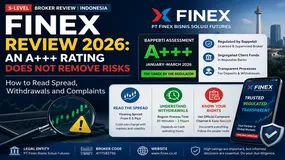
FINEX Review: A+++ Rating Does Not Remove Risks - How to Read Spread, Withdrawals & Other Aspects
FINEX review 2026 for readers comparing an Indonesia forex broker: understand what Bappebti's A+++ rating does and does not show, then check floating spreads, withdrawals, segregated accounts and the complaint route for PT Finex Bisnis Solusi Futures.
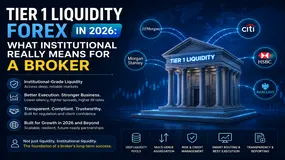
Tier 1 Liquidity Forex in 2026: What Institutional Really Means for a Broker
Choosing a tier 1 liquidity forex is not a search for the lowest displayed spread or the longest provider list. It is a broker decision about pricing integrity, depth, routing, credit, reporting, incident response, and client communication. This 2026 guide explains how an institutional liquidity provider, bank liquidity forex, or interbank liquidity provider arrangement fits into a broker’s execution chain; what to test before onboarding; why a “best tier 1 liquidity forex” claim cannot replace due diligence; and how to compare cost beyond commission. Use the execution-quality scorecard, provider questions, routing scenarios, and 90-day onboarding plan to assess whether a liquidity relationship can support your actual client mix, instruments, risk model, and jurisdiction. The goal is not to make a universal ranking. It is to build evidence that your broker can explain, supervise, reconcile, and recover its execution service when market conditions are difficult.
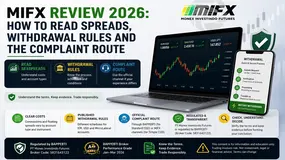
MIFX Review 2026: How to Read Spreads, Withdrawal Rules and the Complaint Route
MIFX review 2026: understand published commissions and spreads, the withdrawal process, Instant Withdrawal conditions, and the PT Monex Investindo Futures complaint route without turning community discussion into factual allegations.
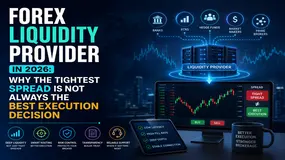
Forex Liquidity Provider in 2026: Why the Tightest Spread is Not Always the Best Execution Decision
Choosing a forex liquidity provider is not a search for the lowest displayed spread or the longest provider list. It is a broker decision about pricing integrity, depth, routing, credit, reporting, incident response, and client communication. This 2026 guide explains how a forex LP, FX liquidity provider, or liquidity provider forex arrangement fits into a broker’s execution chain; what to test before onboarding; why a “best forex liquidity provider” claim cannot replace due diligence; and how to compare cost beyond commission. Use the execution-quality scorecard, provider questions, routing scenarios, and 90-day onboarding plan to assess whether a liquidity relationship can support your actual client mix, instruments, risk model, and jurisdiction. The goal is not to make a universal ranking. It is to build evidence that your broker can explain, supervise, reconcile, and recover its execution service when market conditions are difficult.
WikiFX Broker
Latest News
Vestrado Review: A 4.84 Score, an Offshore Base and an FSCA Status Worth Verifying
 WikiFX
KCB Review: Is Your Deposit Safe?
WikiFXTraze Review: What Traders Should Know Before Depositing
WikiFXExness Review for Indian Traders 2026: The RBI Question Comes Before Leverage and Spreads
WikiFXCrypto Revenue Falls in Q2 as Another Platform Moves Into CFDs
WikiFXWhy Sovereign Debt Can Sink a Currency: The Credit Risk Channel
WikiFXIslami Bank suspends officer who filed ACC loan-fraud case
WikiFXBX Trade Review: Is a $1 Minimum Deposit Worth the No-Regulation Risk?
WikiFXCrypto Platform YEPBIT Got Shutdown by Australian Regulators
WikiFXRinggit climbs vs US dollar as markets await inflation data
WikiFXRate Calc

