Zerodha Scam: Investor Loses ₹3.5 Lakh ! Spot the Red Flags & Protect Yourself
Abstract:Indian investor Maryam Khan, 35, was scammed out of nearly ₹35 Lakh in a fraudulent stock investment scheme orchestrated by individuals impersonating the legitimate financial firm Zerodha. The scam began when Khan came across a Facebook Reel on July 4 promoting fake investment opportunities. After contacting the WhatsApp number listed in the ad,

How a Fake Zerodha Offer Cost One Investor ₹3.5 Lakh
Indian investor Maryam Khan, 35, was scammed out of nearly ₹35 Lakh in a fraudulent stock investment scheme orchestrated by individuals impersonating the legitimate financial firm Zerodha. The scam began when Khan came across a Facebook Reel on July 4 promoting fake investment opportunities. After contacting the WhatsApp number listed in the ad, she was approached by a woman named Shruti Sindhawani, who convinced her to join a WhatsApp group and download an app called Lumien Max, allegedly a Demat account platform. Initially, Khan transferred ₹25,000 and received fake profit updates along with a bogus “Zerodha winning certificate,” which encouraged her to invest a total of ₹3,487,000.
Trouble began when Khan attempted to withdraw her funds. The scammer sent a counterfeit SEBI letter demanding a 15% tax payment, followed by a request for an additional 20% brokerage fee. It was at this point that Khan realized she had been duped. These scams highlight the growing threat of financial fraud on social media platforms in India.
Drawbacks of Investing with Zerodha
1. No Stock Tips or Investment Advice from Zerodha
The absence of stock tips, research reports, or investment recommendations from Zerodha can be seen as a drawback for many beginner or less-experienced investors. Without in-house research or expert guidance, users are left to rely entirely on their own knowledge, third-party sources, or external advisory services, which may not always be reliable or tailored to their needs. For new investors especially, the lack of curated insights can make decision-making more difficult and increase the chances of making uninformed or risky trades. In contrast, many full-service brokers provide research-backed recommendations, helping clients navigate market complexities. Therefore, while Zerodha promotes independent investing, its hands-off approach may feel overwhelming or insufficient for those looking for more structured guidance and support.
2. Hidden Charges
Zerodha, while known for its low-cost trading model, does have some additional charges that users should be aware of. For instance, using the Call and Trade feature incurs an extra fee of ₹50 per call. Similarly, if a trader fails to manually square off MIS (Margin Intraday Square off), BO (Bracket Order), or CO (Cover Order) positions, Zerodha charges ₹50 per executed order. Although digital contract notes are provided via email at no cost, requesting physical copies comes with a ₹20 fee per contract, along with applicable courier charges.
3. No Monthly Unlimited Trading Plans Offered
Zerodha does not provide any monthly unlimited trading plans, which means traders cannot pay a fixed monthly fee for unlimited trades. Instead, the platform follows a pay-per-trade pricing model, where brokerage is charged per transaction. This can be less cost-effective for high-frequency traders who execute numerous trades daily, as their cumulative brokerage fees may end up being higher compared to platforms offering flat-rate trading plans.
Do Not Miss These Important Articles- www.wikifx.com/en/newsdetail/202508131404894152.html
www.wikifx.com/en/newsdetail/202508135634249682.html
4 . No Lifetime Free AMC for Demat Accounts
Zerodha does not offer a lifetime free Annual Maintenance Charge (AMC) for its demat accounts. Users are required to pay AMC every year to maintain their demat accounts, which can be a recurring cost, especially for long-term investors who may not trade frequently. Unlike some brokers that waive AMC charges for life as part of promotional offers, Zerodha continues to apply this annual fee, which may be a downside for cost-conscious investors.
Join WikiFX Community
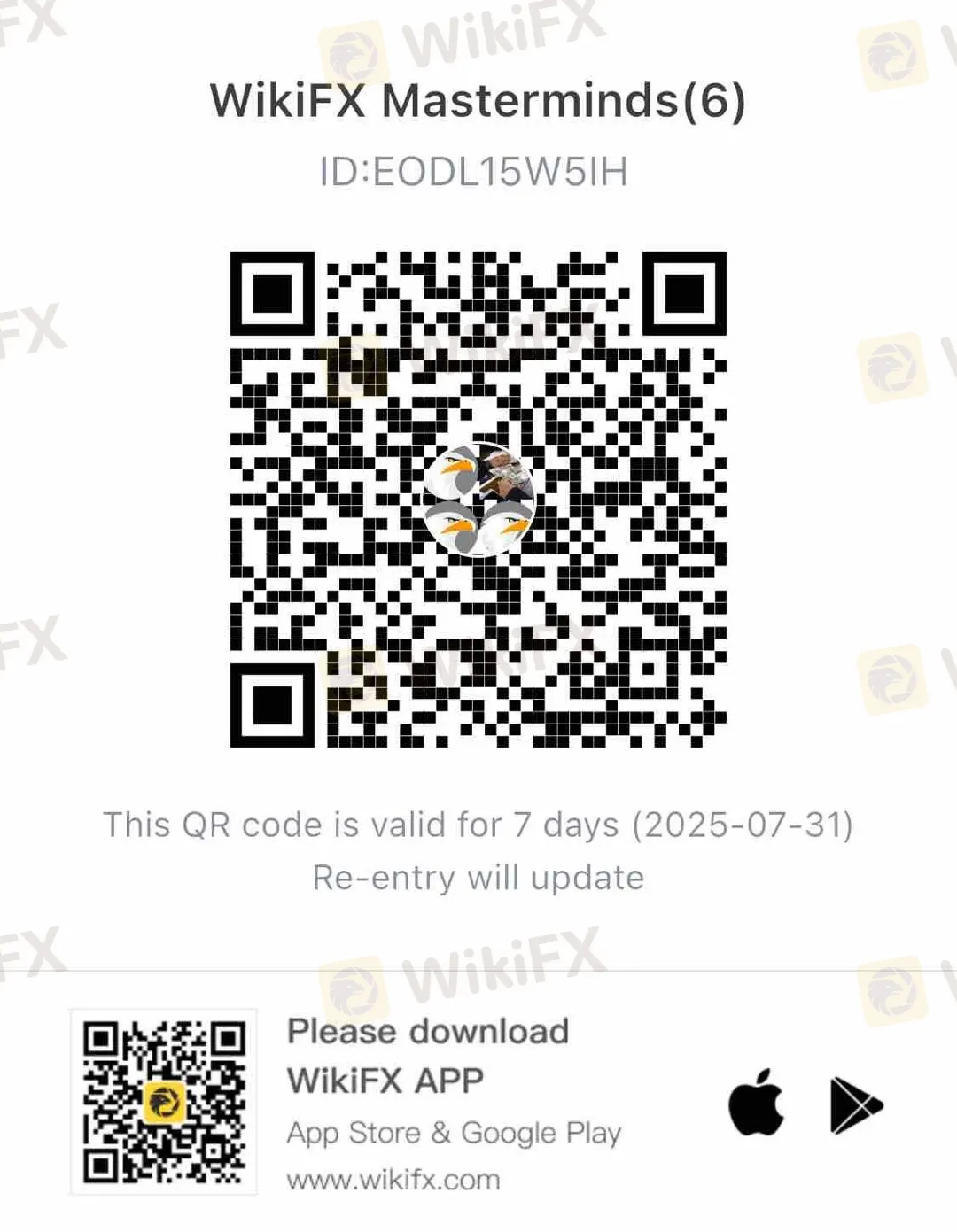
Be attentive and stay updated with WikiFX. You can get all the information you need to know about the Forex market, fraud alerts, and the latest news related to Forex trading — all in one place. Join the WikiFX Community by scanning the QR code at the bottom.
Steps to Join
1. Scan the QR code below
2. Download the WikiFX Pro app
3. After installing, tap the Scan icon at the top right corner
4. Scan the code again to complete the process
5. You have joined!

Read more
Pakistan Forex Reserves Reach $22.5 Billion: Why a Stable USD/PKR Snapshot is Not Yet a Trend
Pakistan forex reserves stood at $22.506 billion on 13 August 2026, while the SBP dashboard showed a USD/PKR mark to market rate of 277.5713 on 20 August. This article separates the SBP forex reserves facts from predictions about the Pakistan rupee and the forex market Pakistan.
XM Review 2026 for India: RBI Alert, Regulation, Login and Forex Risk
The RBI Alert List, updated on 19 November 2025, names XM and www.xm.com at row 33. RBI says listed entities are not authorised to deal in forex under FEMA or operate an authorised forex ETP in India. XM also publishes overseas licence and risk information. These facts must stay separate. An overseas licence does not create RBI authorisation for an Indian resident.
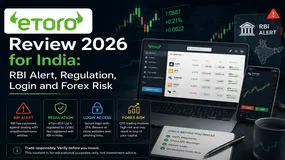
eToro Review 2026 for India: RBI Alert, Regulation, Login and Forex Risk
The RBI Alert List, updated on 19 November 2025, names eToro and www.etoro.com at row 5. RBI says listed entities are not authorised to deal in forex under FEMA or operate an authorised forex ETP in India. eToro also lists regulated companies in the UK, Europe, Australia, and other markets. Those overseas licences are entity-specific. They do not create RBI authorisation.
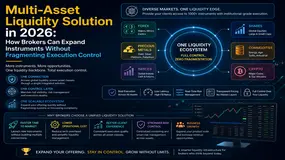
Multi-Asset Liquidity Solution in 2026: Expand Instruments Without Fragmenting Execution
A multi-asset liquidity solution can help a broker support FX, CFDs, commodities, and indices through a more unified operating model. But adding asset classes can also create fragmented symbols, pricing, routing, margin rules, records, and client messages if controls are not designed first. This 2026 guide explains how a multi asset liquidity provider, forex CFD liquidity setup, commodity liquidity provider, and indices liquidity provider fit into a broker-owned execution service. It outlines the due-diligence questions, shared-control model, cost drivers, and 90-day implementation plan that help teams expand without making the execution chain harder to explain. The aim is not to promise deeper liquidity or better trading outcomes. It is to create evidence that a broker can supervise market access, trace order events, reconcile costs, and communicate consistently to the relevant clients when conditions are difficult.
WikiFX Broker
Latest News
Australia dollar on longest weekly winning streak since 2020
 WikiFX
Three Losses in a Row? Rebuild Clear Decisions, Not Revenge
WikiFXRoboForex Review: Regulation Alarms Hit a Broker Facing Profit-Wipe Complaints
WikiFXBessent says Treasury buyback operation could be more than $4 billion
WikiFXSQUAREDFINANCIAL Review: Withdrawal Requests Go Unanswered as Clients Report Locked Accounts
WikiFXWarren Bowie & Smith Review 2026: Severe Withdrawal Complaints and Unregulated Risks
WikiFXA Tiny USDT Transfer Could Put Your Crypto Wallet Under Scrutiny
WikiFXXORKETS FX Review 2026: Withdrawal Demands and Unregulated Risks
WikiFXExness Review 2026 for India: RBI Alert, Regulation, Login and Forex Risk
WikiFX18.3 Million Malaysians Participated in National Anti-Scam Campaign
WikiFXRate Calc

