Is Tiger Brokers Regulated? Investor Protection Guide
Abstract:Tiger Brokers offers regulated trading in US, HK, SG stocks & futures. SFC-approved in HK (BMU940), FMA in NZ. No min deposit, competitive fees.
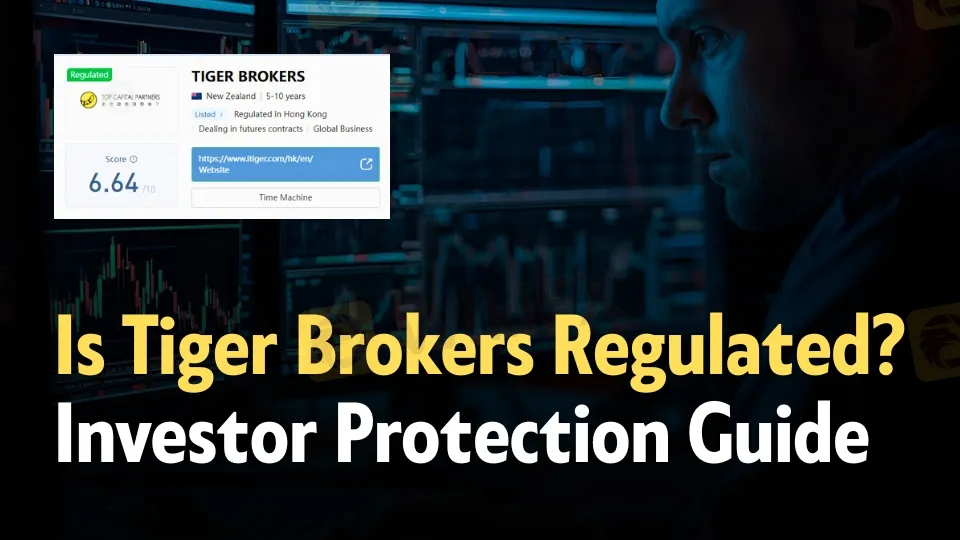
Tiger Brokers delivers regulated access to global stocks, futures, and more across key markets like the US, Hong Kong, and Singapore. Backed by licenses from bodies such as Hong Kong's SFC (license BMU940) and New Zealand's FMA, the broker stands out with no minimum deposits and low fees.
Tiger Brokers Regulation Overview
Tiger Brokers operates under multiple regulatory umbrellas, including a confirmed license from the Securities and Futures Commission (SFC) in Hong Kong. License BMU940, issued to Tiger Brokers HK Global Limited in 2018, covers dealing in futures contracts, with the entity based at a verified Hong Kong address. Additional oversight appears in New Zealand via the Financial Markets Authority for TIGER BROKERS NZ LIMITED (license 473106), though some international registrations like the US NFA (0328552 for US TIGER SECURITIES INC) remain unverified in public records.
This setup provides investor safeguards, such as segregated client funds and dispute resolution channels, but traders should confirm entity-specific protections based on their residency. Unlike unregulated offshore firms, Tiger Brokers Regulation ties directly to established jurisdictions, reducing risks of fund mismanagement.

Key Tiger Brokers Regulatory Licenses
- Hong Kong SFC (BMU940): Active since July 11, 2018; authorizes futures trading; contact via hk-compliance@tigerbrokers.com.hk.
- New Zealand FMA (473106): Covers financial services; entity at Level 27, 151 Queen Street, Auckland; phones include 0800 884 437.
- US NFA (0328552): Linked to US TIGER SECURITIES INC at 437 Madison Ave, New York; requires further verification for full compliance status.
Domain details trace to tigerbrokers.com.sg and itiger.com, registered under entities like Top Capital Partners Limited in New Zealand, operational for over five years. These licenses signal legitimacy, contrasting with brokers lacking tier-1 oversight.
Trading Instruments at Tiger Brokers
Access spans US stocks/ETFs/options/futures, Hong Kong equities/warrants/CBBCs, Singapore REITs/DLCs/futures, Australian stocks, and China A-shares via HKEX Northbound. Futures include equity, treasury, forex (micro pairs commission-free), index (e.g., China A50 from $0.99), energy (e-mini crude), agriculture (corn/wheat), and metals (micro gold).
Compared to peers like Interactive Brokers, Tiger Brokers emphasizes Asia-Pacific assets with competitive breadth, though forex depth lags majors like IG Group.
| Market | Key Instruments | Example Availability |
| US | Stocks, ETFs, Options, Futures | GME stock, OTC trades |
| Hong Kong | Stocks, Warrants, CBBCs, Futures | Stock options from 0.2x value |
| Singapore | Stocks, ETFs, REITs, Futures | DLCs, rights issues |
Tiger Brokers Account Types Explained
Two main options suit varied traders: cash accounts for basic buying/holding (1 lot minimum, no shorting or margin) and margin accounts unlocking full products with up to 14x intraday leverage or 12x overnight. Upgrades from cash to margin incur no fees, and neither requires minimum deposits—ideal versus brokers like Saxo Bank demanding $2,000+. 2,000+.
Both support unlimited orders, but margin opens futures/options are absent in cash setups.
Fees and Commissions Breakdown
Commissions beat industry averages: US stocks from $0.005/share, HK/Australia/China A-shares at 0.03x value, Singapore assets 0.04x. Options start at $0.65 US contract or 0.2x HK value; futures from $0.99 (micros free on some forex).
Extra charges like stamp duty apply, but no platform fees stand out. Versus eToro's spreads, Tiger Brokers' model favors active stock/futures traders.
| Asset Class | Commission Example |
| US Stocks/ETFs | $0.005/share min |
| Futures (Index/Energy) | $0.99–$8/contract |
| HK Warrants/CBBCs | 0.03x value |
Deposits, Withdrawals, and Platforms
No minimum deposits across USD/EUR/SGD/HKD/AUD; Singapore users enjoy instant DBS/POSB transfers (SGD), others 1-3 days via bank wire (USD $25 fee possible). Withdrawals mirror this—no Tiger fees, but third-party costs apply; processing hits 1-3 business days.
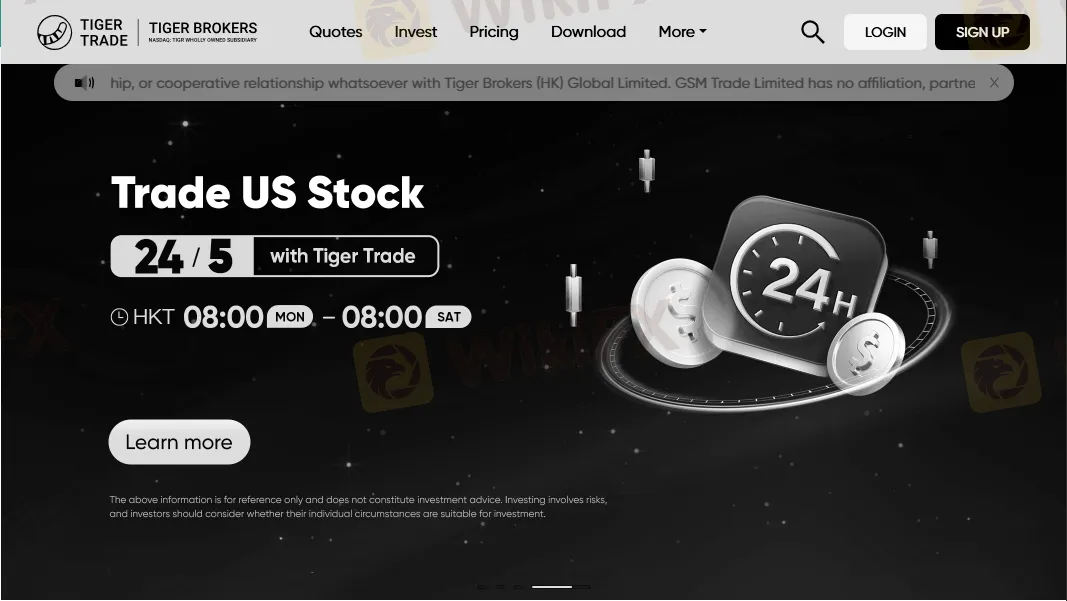
Tiger Trade platform powers all trades, with demo accounts for practice and 24/5 hours (asset-specific). Support runs weekdays via email (service@tigerbrokers.com.sg), phones (e.g., Singapore +65 6331 2277), and live chat.
Pros and Cons of Tiger Brokers
Pros:
- Zero minimum deposit lowers entry barriers.
- Competitive commissions on global stocks/futures.
- Regulated in HK/NZ with multi-market access.
- Free margin upgrades and demo trading.
Cons:
- Some licenses (e.g., US NFA) unverified, raising due diligence needs.
- Withdrawal fees from banks, not broker.
- Limited forex versus dedicated CFD brokers.
Bottom Line
Tiger Brokers Regulation anchors a solid choice for cost-conscious traders eyeing US/Asia stocks and futures, with SFC/BMU940 offering real protections absent in offshore alternatives. Its no-minimum, low-fee structure delivers value for beginners to pros, provided users verify regional entity compliance—outshining less transparent competitors in legitimacy and accessibility.

Read more
KAMA Capital Review: Do Traders Lose Due to Slippage & Inappropriate Liquidation?
Looking to trade through KAMA Capital, a Mauritius-based forex broker? You must read user reviews concerning fund safety with this brokerage entity. The company, which has been around for two-five years, has received some negative reviews recently for its several trading activities. Users have reported these experiences on broker review platforms such as WikiFX. The negative KAMA Capital reviews highlight serious slippage issues, coupled with inappropriate liquidation issues. The article aims to provide a clear picture of these user allegations along with a regulatory overview of the broker. This will help you make an informed trading decision. Read on!
MTRADING User Reputation: A Deep Look into Real Complaints and Warning Signs
When traders look for information about a broker, their biggest worry is always capital safety. The question, "Is MTRADING safe or scam?" gets right to the point. Based on checkable information from worldwide broker regulatory websites, the answer comes with serious warnings. MTRADING operates with major warning signs, especially a status of "No Regulation" and a very low trust score. WikiFX, a third-party checking service, gives the broker an extremely low rating and clearly warns of "High potential risk". This article will break down the proof behind this conclusion. We will look at MTRADING's regulatory status, examine real user complaints recorded on public websites, and check its platform features to give a clear, fact-based view for any potential user.
MTRADING Legitimacy Check: Is This a Fake Broker or a Legitimate Trading Partner?
You're asking 'Is MTRADING legit?' or worried about an 'MTRADING scam', and that's the right question to ask before risking your funds. A deep look into MTRADING's background shows major warning signs that should make you very careful. This isn't a simple yes or no answer; it's a fact-based review of the risks. Our research, using data from independent broker checking websites like WikiFX, shows MTRADING has a very low score, which means there are serious problems. The main worries are about whether it's properly regulated and the troubling number of customer complaints.
Core Prime Withdrawal & Deposit: What You MUST Know Before Funding Your Account
For any trader, understanding how to move funds is extremely important. How you add funds to your account and, more importantly, how you take them out, including the profits earned on the platform, can shape your entire trading experience. You are likely here looking for specific information about Core Prime deposit and Core Prime withdrawal methods. This guide will explain the payment options the broker claims to offer. However, knowing the process is only part of the story. The other, more important part involves understanding the risks and whether the broker can be trusted. A nice-looking website and many payment options mean nothing if your capital is not safe. The main question we need to ask is not just *how* you can withdraw funds, but *if* you can. Can you trust that your funds will be safe and your withdrawal requests will be processed? Let's look at the facts.
WikiFX Broker
Latest News
GLOBAL PRIME Review 2026: Is this Forex Broker Legit or a Scam?
 WikiFX
Why That FCA Regulation Logo Might Not Protect You
WikiFXUS Dollar Sinks as Oil Plunges
WikiFXSTMarket Promotes Trading Education While Client Alleges $3,250 Withdrawal Delay
WikiFXHere's what to expect from Friday's release of the April jobs report
WikiFXMTRADING Legitimacy Check: Is This a Fake Broker or a Legitimate Trading Partner?
WikiFXTrilt Review 2025: Is This Forex Broker Safe?
WikiFX225 People Investigated as Singapore Losses Exceed S$4.8 Million
WikiFXLuxury Villas in Sabah Raided, 28 Foreign Suspects Arrested
WikiFXWhy Smart Beginners Keep Blowing Up Their Forex Accounts
WikiFXRate Calc

