US Crisis Deepens: Government Shutdown Odds Hit 78% Amid Winter Paralysis and Fed Feud

Abstract:The US faces a confluence of economic and political shocks as government shutdown probabilities soar to 78% and severe winter storms cause billions in economic damage. Concurrently, attacks on Federal Reserve independence are intensifying, with BlackRock's Rick Rieder rumored as a potential successor to Jerome Powell.
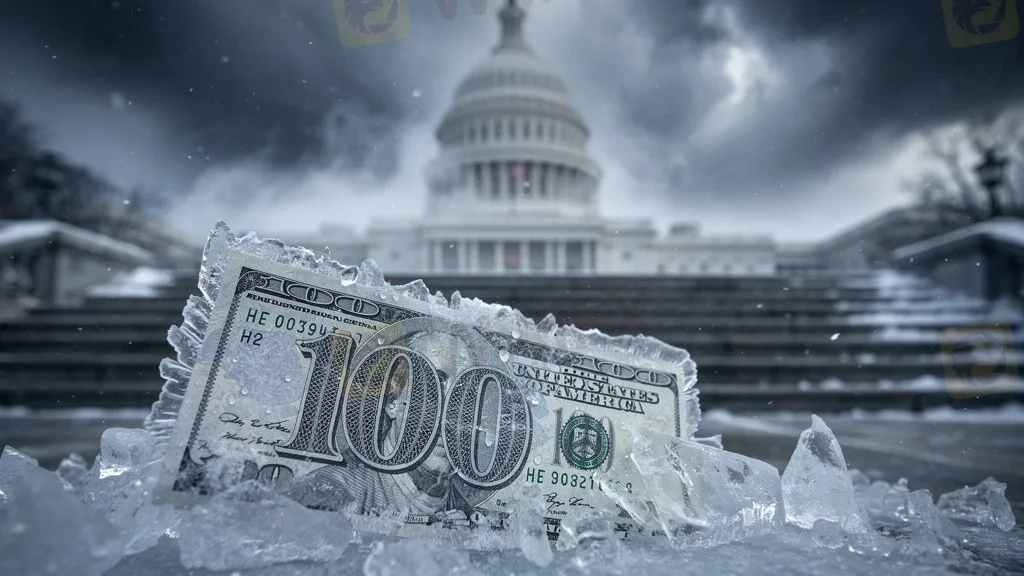
The US Dollar is facing severe headwinds from a domestic “twin crisis” involving fiscal paralysis and extreme weather, alongside a constitutional clash over monetary policy independence. Prediction markets now price the probability of a US government shutdown by month-end at 78%, a dramatic spike from less than 10% just last week.
Political Gridlock and Economic Freeze
The shutdown threat has ignited after Senate Democrats withdrew support for Homeland Security funding following a controversial shooting involving ICE agents in Minnesota. With Republicans holding a slim 53-seat majority in the Senate, they lack the 60 votes necessary to overcome the filibuster, leaving the budget bill in limbo ahead of the January 31 deadline.
Simultaneously, a paralyzing winter storm across the East Coast has grounded over 11,400 flights and is projected to cost the US economy between $105 billion and $115 billion. Economists warn this could drag Q1 GDP lower by 0.5% to 2%, disrupting supply chains and distorting upcoming economic data releases—a scenario that complicates the Federal Reserve's policy path.
The Battle for the Fed
Adding to the uncertainty is the White House's escalating pressure on the Federal Reserve. Reports indicate the Trump administration is conducting investigations into Chair Jerome Powell and moving to replace Governor Lisa Cook.
Speculation regarding Powell's successor is rampant, with Rick Rieder, BlackRocksCIO of Global Fixed Income, emerging as the frontrunner. Betting markets assign a 60% probability to Rieder taking the helm. A shift from a traditional academic economist to a market practitioner like Rieder could signal a significant pivot in how the Fed manages the intersection of debt monetization and market stability, potentially fueling further volatility in US Treasury yields.
Key Market Data
- Government Shutdown Probability: 78%
- Storm Impact: 11,400 flights grounded; economic cost $105 billion to $115 billion
- Q1 GDP Projection: Lower by 0.5% to 2%
- Senate Composition: Republicans hold 53 seats
- Fed Chair Odds: 60% for Rick Rieder
WikiFX Broker
Latest News
Gold Breaches $5,100 as 'De-Dollarization' and Tariff Wars Crush the Greenback
WikiFXAPAC Outlook: 'Takaichi Trade' Returns to Tokyo; RBA Hike Bets Propel Aussie Dollar
WikiFXGold Breaches $5,100 as 'De-Dollarization' and Tariff Wars Crush the Greenback
WikiFXMarket Perception: 'SA Inc' Under Review
WikiFXEnergy Markets: Chevron and NNPCL Add 146,000 b/d to Global Supply
WikiFXGeopolitical Risk Premium Rising: Russia Warns on Arms Treaty as Trump Pushes Ukraine Land Deal
WikiFXAPAC Outlook: 'Takaichi Trade' Returns to Tokyo; RBA Hike Bets Propel Aussie Dollar
WikiFXDollar Index Falters Near 97.00 as Washington Dysfunction Overshadows Economic Data
WikiFXGeopolitical Risk Premium Rising: Russia Warns on Arms Treaty as Trump Pushes Ukraine Land Deal
WikiFXEmerging Markets: West Africa Projected for 4.4% Growth Amid Reforms
WikiFXRate Calc
