Middle East Conflict Triggers Massive Oil Supply Shock

Abstract:Middle East escalations drive oil supply disruptions, with J.P. Morgan warning of a potential 4 million barrel per day output loss as storage tanks saturate and tanker capacity plummets.
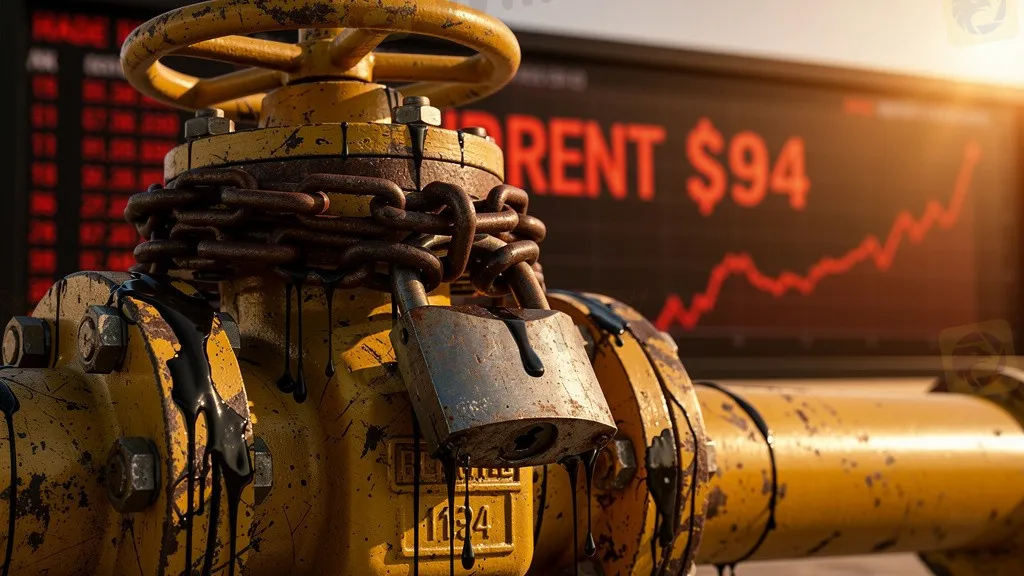
The geopolitical crisis in the Middle East has rapidly evolved into a major energy supply disruption, with J.P. Morgan analysts warning that production outages could exceed 4 million barrels per day (bpd) by the end of the week.
Escalating Physical Disruptions
Following the conflict's outbreak, supply disruptions have accelerated beyond initial expectations. While actual production cuts were estimated at 2 million bpd early in the crisis, the combination of saturated storage tanks and a severe shortage of available tankers is forcing producers to ramp up forced shutdowns.
Analysts highlight that the Persian Gulf faces a critical infrastructure bottleneck. As export routes remain constrained and floating storage fills, operators have no choice but to throttle or cease upstream production. Notably, Iraq has moved from warnings to active cuts, particularly at major hubs like Rumaila. Meanwhile, companies such as Adnoc (UAE) and Kuwait Petroleum have already signaled production adjustments due to transit safety concerns.
The Tanker Crisis and Storage Vulnerability
Data from Kpler indicates that the logistical impact is severe: active very large crude carriers (VLCCs) in the Persian Gulf have dwindled from 64 to just 14—a 78% collapse in available capacity.
- Industry models suggest Iraq and Kuwait are the most vulnerable, with extremely limited storage buffers.
- Saudi Arabia maintains higher resilience with approximately 229 million barrels of storage capacity, although this buffer will be tested as the conflict persists.
- Supply contraction has pushed Brent crude beyond $94/bbl, heavily impacting global pricing structures.
- US retail gasoline prices have hit two-year highs, with markets bracing for further volatility as storage saturation timelines compress.
WikiFX Broker
Latest News
Malaysia x Hong Kong: New Index Could Unlock Regional Investment Boom
WikiFXUbitMarkets Review: Is This Broker a Scam? See 2025 Cases!
WikiFXVex Group Review 2025: Is This Forex Broker Safe?
WikiFXRM890,000 Lost in Days: Two Penang Directors Fell Prey to Sophisticated Scams
WikiFXIs Your Money Safe with PURPLE TRADING? Review, Regulation & WikiFX Alerts
WikiFXUnderstanding Evest Deposit and Withdrawal: Essential Information Before You Start Trading
WikiFXFX Futures Positioning Update: Dollar Firms, Euro Longs Fade, Yen Bias Turns Weaker
WikiFXNew fees, fewer flights: Higher fuel prices pinch consumer budgets beyond the gas pump
WikiFXOil rises above $115 and Asia stocks slide as Iran war escalates
WikiFXAmana Offloads UK Unit in Strategic Shift Toward MENA
WikiFXRate Calc
