FXTRADING Economic Data Summary (Asia-Pacific | 07/10)
Abstract:Germanys Trade Surplus ExpandsGermanys external trade performance in May exceeded market expectations. Data showed the trade surplus widened to €19.1 billion, the highest level since February. Exports

Germanys Trade Surplus Expands
Germanys external trade performance in May exceeded market expectations. Data showed the trade surplus widened to €19.1 billion, the highest level since February. Exports rose 0.9% month-on-month to their highest level in nearly three and a half years, extending the recovery and defying expectations of a slowdown.
From a structural perspective, the United States remained the primary driver of Germany‘s export growth, with shipments to the U.S. increasing significantly and supporting stronger exports to non-EU markets overall. Imports generally declined, with purchases from both EU and non-EU countries falling, while imports from China continued to decrease.FXTRADING Analysis: Germany’s trade data came in stronger than expected, with the recovery in exports providing positive support for the economy. However, weaker imports also suggest that domestic demand remains subdued. Whether the improvement in external trade can be sustained will depend on global demand and the broader international trade environment.
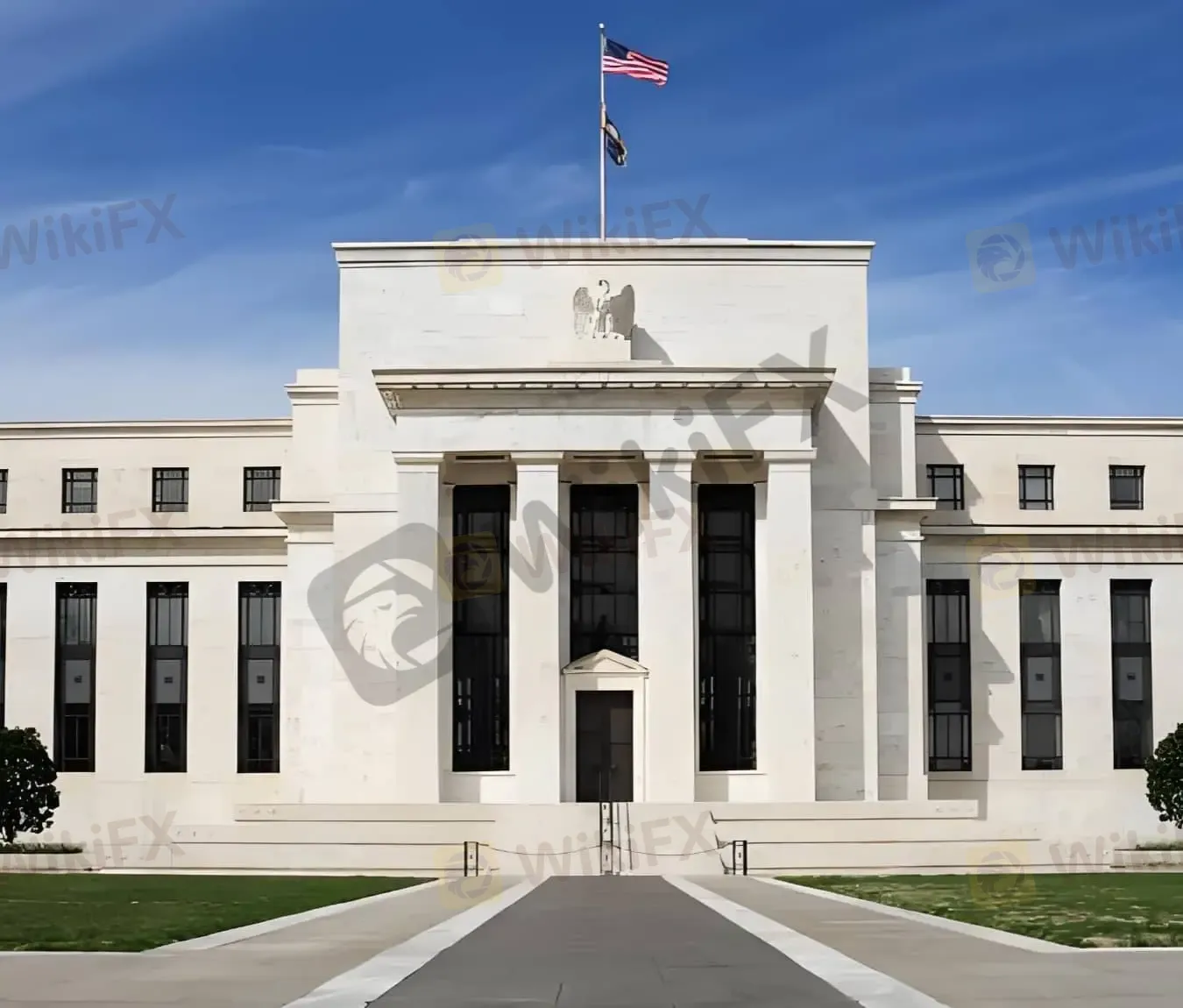
Inflation Remains the Feds Primary Focus
The minutes of the Federal Reserve‘s June meeting showed that although policymakers unanimously agreed to keep interest rates unchanged, there were still notable differences over the future policy outlook. Some officials believed there was already sufficient justification for further tightening but preferred to wait for additional economic data before taking action. As the minutes were compiled before the release of the June nonfarm payroll report, they reflect policymakers’ assessment prior to signs of further cooling in the labor market.
The discussions indicated that inflation remains the Feds top concern. Officials generally agreed that energy supply conditions, tariffs, and investment related to artificial intelligence could continue to put upward pressure on prices, while the labor market was not viewed as a new source of inflation.FXTRADING Analysis: Although the Federal Reserve has paused for now, its overall policy stance remains cautious. With inflationary pressures yet to be fully contained, policymakers are expected to retain considerable flexibility, and market expectations for the future interest rate path are likely to continue evolving alongside incoming economic data.

New Zealand Manufacturing Shows Broad-Based Recovery
New Zealands manufacturing sector delivered a strong performance in June, with the BusinessNZ Manufacturing PMI climbing to its highest level since July 2021. The reading moved well above its long-term average, indicating a continued improvement in manufacturing activity. After nearly two years of weakness, businesses are showing increasingly clear signs of recovery.
The improvement was broad-based across the manufacturing sector. New orders posted the strongest gains, while production, employment, inventories, and supplier deliveries all returned to expansion territory, suggesting the recovery has become more firmly established. Although businesses continue to face pressure from energy and living costs, stronger orders and improving demand have lifted market confidence and strengthened expectations for business conditions in the second half of the year. FXTRADING Analysis: The significant improvement in manufacturing activity reflects stronger demand and production simultaneously. If new orders continue to grow, New Zealand‘s economy is likely to gain further momentum in the second half of the year, reinforcing confidence in the country’s economic recovery.

ECB Maintains a Data-Dependent Policy Approach
The minutes of the European Central Banks June meeting showed that the Governing Council unanimously supported a rate hike and concluded that inflationary pressures had spread beyond the energy sector into broader areas of the economy. Policymakers argued that even if energy prices ease, the effects of earlier cost increases will persist, as supply chain disruptions, higher business costs, and price pass-through are unlikely to fade quickly.
However, the ECB stopped short of providing explicit guidance on the future path of interest rates and reiterated its commitment to making decisions on a meeting-by-meeting basis, guided by incoming economic data. Future policy decisions will focus on wage growth, core inflation, and energy price developments, while seeking to balance inflation control with economic growth and financial stability. FXTRADING Analysis: The ECB continues to prioritize bringing inflation under control, suggesting that monetary policy is likely to remain cautious in the near term. The pace of future policy adjustments will depend more on inflation trends and economic data than on any predetermined rate-hike path.
(For more insights into global macroeconomic trends and market developments, please follow FXTRADINGs official updates. This information is provided for reference only and does not constitute any form of investment advice.)

WikiFX Broker
Latest News
Over US$2.9 Million Saved: Singapore's Crypto Scam Crackdown Sends a Warning to Malaysian Investors
 WikiFX
How Pig Butchering Scams Drain Beginner Trading Accounts
WikiFXWeltrade Review 2026: Is This Forex Broker Safe?
WikiFXHow Reversal Candlesticks Trap Beginners at the Top and Bottom
WikiFXHTFX Review 2026: Blocked Withdrawals and Severe Risk Signals
WikiFXDollar Navigates Inflation Risks as Oil Prices Spike
WikiFXexfor Review 2026: I’m Unable to Receive My Profits. We Investigated This Common User Allegation.
WikiFXRM5.18 Million Lost: Investment Scams Are Targeting Kelantan
WikiFXTrapping Symmetrical Triangle Breakouts With OCO Pending Orders
WikiFXReview 2026: AximTrade Regulation, Withdrawals, and Platform Risks
WikiFXRate Calc

