Ten Days, Seven Raids: Cambodia Sweeps Up Foreign Scam Suspects

Abstract:Cambodia has intensified its crackdown on online scam syndicates, arresting dozens of foreign nationals and raiding multiple locations nationwide as part of a wider anti-fraud campaign, amid growing international pressure to curb transnational cybercrime.
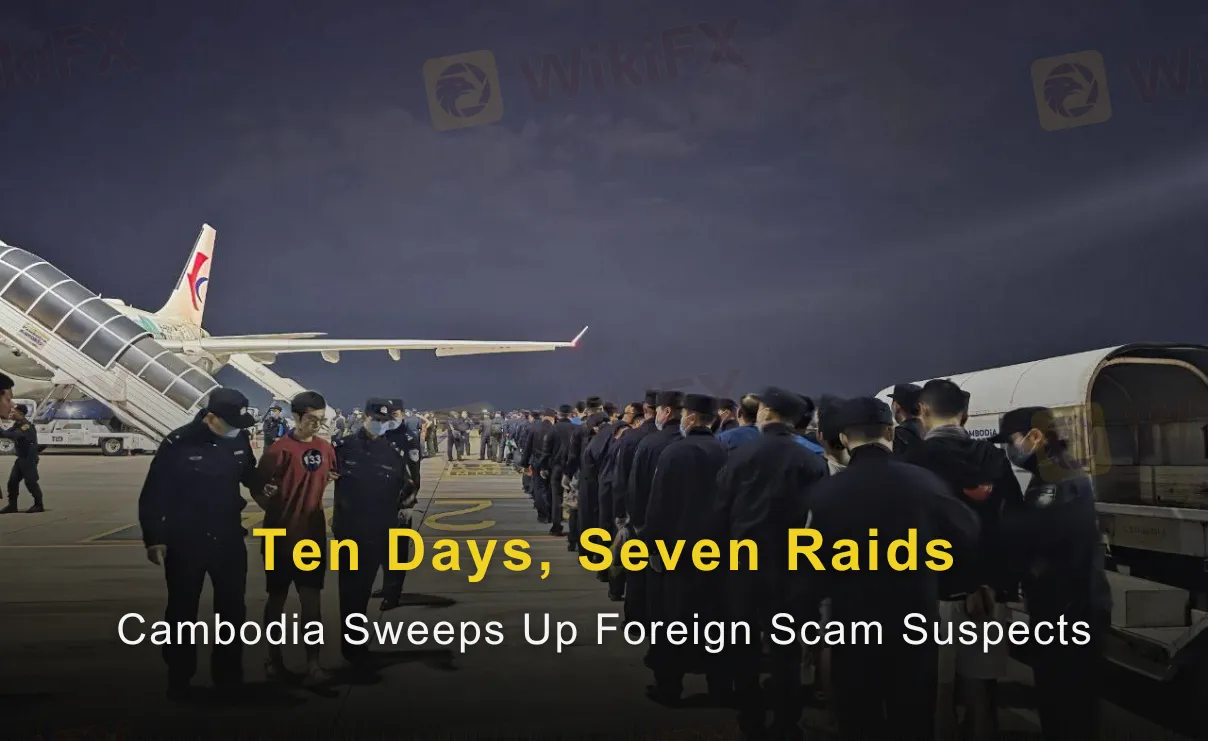
Cambodian authorities have stepped up their crackdown on online scam syndicates, arresting at least 39 foreign nationals and raiding seven suspected scam locations within a span of just 10 days. The operations, carried out in Phnom Penh and Siem Reap, signal renewed pressure on the countrys long-running online fraud problem.
According to the Secretariat of the Commission for Combating Online Scams (CCOS), those arrested include 32 South Koreans, four Chinese nationals and three Nepalis. Six of the raids were conducted in Phnom Penh, while one took place in Siem Reap, a major tourist destination. During the raids, authorities seized multiple electronic devices, including desktop computers, laptops and mobile phones believed to have been used in scam operations.
The three Nepali suspects are currently being held in pre-trial detention at the Siem Reap provincial prison. Investigators said they were involved in an online loan scam that targeted victims overseas between October 2025 and early January this year. The operation was allegedly run from a residential unit within the Premier gated community in Krous village, Svay Dangkum district.
These latest arrests form part of a broader anti-scam campaign launched by Cambodian authorities last June. Over the past six months, CCOS said it has raided 118 suspected scam sites across 18 cities and provinces nationwide.
In total, nearly 5,000 suspects have been detained so far, including close to 1,000 women. Those arrested come from a wide range of countries, reflecting the international nature of these scam syndicates. Nationals from China, Vietnam, Indonesia, India, Bangladesh, Thailand, South Korea, Pakistan, Nepal, Malaysia, Japan, Myanmar, the Philippines, Laos and several African countries are among those detained.
Authorities said more than 4,000 suspects have since been deported, while an undisclosed number of trafficking victims have been rescued during the operations. Legal proceedings are ongoing in at least 35 major cases involving more than 160 suspects and accomplices from multiple jurisdictions, including Cambodia itself.

The intensified enforcement comes amid growing international scrutiny of Cambodia‘s role in global online scam networks. Just last week, Chen Zhi, the founder and chairman of Prince Group, was arrested and extradited to China at Beijing’s request. Chen had previously been sanctioned by both the United States and the United Kingdom over allegations that he led a large-scale online investment scam targeting victims worldwide.
In October last year, the US Treasury and the UK Foreign Office imposed what they described as the largest sanctions action ever taken against a cyber fraud network in Southeast Asia, with operations linked to Cambodia and Myanmar. Prince Group was named as a central entity in those actions.
Following Chens arrest, the National Bank of Cambodia announced it had frozen the operations of Prince Bank and appointed an external audit firm as a temporary administrator. The central bank said customers would still be allowed to withdraw funds, subject to standard documentation requirements.
Prime Minister Hun Manet has repeatedly warned that enforcement efforts will not stop with scam operators alone. He said officials found to be protecting or facilitating criminal networks would also face action.
However, critics note that major crackdowns in the past have often followed pressure from foreign governments and international partners. Cambodian authorities have maintained that tackling online scams remains a priority and insist they are strengthening cooperation with overseas law enforcement agencies.
Officials have also acknowledged that online fraud is a transnational crime that cannot be solved by any one country alone, stressing that sustained cross-border cooperation is needed to dismantle the networks behind these operations, rather than short-term enforcement drives.

Read more

ehamarkets exposed: Is Withdrawing Profits Impossible for Traders? Let’s Find Out!
ehamarkets is the focus of many traders on broker review platforms for all the negative reasons. Among the many complaints against the Malaysia-based forex broker, the withdrawal issue and the utter helplessness of the trader in recovering their funds stood out. The broker is accused of denying traders their funds using numerous excuses. So, if you were planning to invest in this forex broker, do not miss reading this ehamarkets review article. Take a look!

Bull Market Review: Reports of Withdrawal Blocks, Server Downtime & Capital Scam Allegations
Witnessed a complete halt on your Bull Market trading platform after a good run? Did you receive a poor response from the broker’s official upon the trading halt enquiry? Failed to receive withdrawals despite undergoing numerous checks by the forex broker? Is your Bull Market withdrawal application pending for months? Did you have to encounter massive trading fees on the Bull Market platform? These issues have become rampant here, and we have highlighted them in this Bull Market review article.

BitForex Review: What Traders are Saying About Fund Scams and Withdrawal Issues
Earned profits on the BitForex platform, but could not withdraw because of tax payment and other liabilities? Does the forex broker even flag your account with fake money laundering charges? Do you consistently face login issues when using the BitForex trading platform? Is your deposited capital directed to the wrong address by the forex broker? All these have become very typical of the way the broker goes about the business. Many traders have opposed the broker on several review platforms online. It’s time to check their comments in this BitForex review article.
IMPERIAL Legitimacy Check (Addressing fears: Is This a Fake Broker or a Legitimate Trading Partner?)
You're asking 'Is IMPERIAL Legit' or worried about an 'IMPERIAL Scam', and that's the right question to ask before investing. The online world is full of brokers promising high returns and easy trading, but the reality is often way more complicated and risky. Your main concern should always be keeping your money safe. This article will provide a detailed, fact-based analysis to answer your question clearly. The most important factor that determines if a broker can be trusted is whether it's regulated. We will state this upfront: IMPERIAL operates without supervision from any major, trusted financial regulatory body. This is a major warning sign for any trader, no matter how experienced it is. You may have seen mixed information—maybe some positive user reviews or attractive marketing about its platform. We will examine every piece of available information, from the company registration to the user feedback, to give you a clear, honest picture of the risks involved.
WikiFX Broker
Latest News
Situation In Venezuela Adds To Dollar Uncertainty
WikiFXEURUSD Fails to Make New Highs
WikiFXTP ICAP Expands Global Reach with Acquisition of Vantage Capital Markets
WikiFXRM2.95 Million Gone: Terengganu Director Falls for ‘High-Return’ Scam
WikiFXTrade War Crossroads: Supreme Court Ruling and Tariff Maze Threaten Economic Stability
WikiFXDollar Reigns Supreme: Economic Resilience Eclipses Political Noise Ahead of
WikiFXDollar Dives and Metals Surge: Powell Investigation Sparks Institutional Crisis
WikiFXThe 'Just-in-Case' Era: Strategic Hoarding Ignites Commodity Supercycle
WikiFXSilver Markets Face 'Liquidity Squeeze' Risk, Warns Goldman Sachs
WikiFXTop Forex Brokers Offering Free Demo Accounts
WikiFXRate Calc

