Belgian Investors Lost €23M to Scams in 2025 Surge

Abstract:Belgian consumers lost over €23M to crypto and WhatsApp investment scams in late 2025, financial regulator warns amid rising fraud cases.
Belgian investors lost more than €23 million to fraudulent investment schemes and illegal financial offers during the second half of 2025, according to new data from the Financial Services and Markets Authority (FSMA). The regulator attributed much of the surge to bogus cryptocurrency trading sites and fast-spreading scams promising “exclusive investment tips” through WhatsApp groups.
Between July and December, the FSMA received 1,622 consumer complaints linked to unauthorized financial offers—an alarming rise not only in cases but also in the average loss per victim. The trend points to increasingly sophisticated and coordinated fraud networks targeting consumers online.
Crypto Platforms Lead in Losses
Fake trading platforms were responsible for the heaviest toll, draining more than €10.5 million from victims. Many of these operations masqueraded as legitimate cryptocurrency or investment services, enticing users through slick advertisements that encouraged quick fund transfers. Despite often appearing professional, these platforms operated without any regulatory approval.
WhatsApp “Tip” Scams on the Rise
A newer wave of deception—WhatsApp groups sharing supposedly privileged stock market tips—proved almost as damaging. Losses tied to these schemes exceeded €9.5 million over the same six-month period, making them one of Belgiums fastest-growing financial frauds.
The FSMA detailed how these scams typically begin with social media ads on platforms like Facebook and Instagram. Users are invited to join exclusive WhatsApp groups that promise insider stock advice or unusually high returns. To appear credible, the ads frequently misuse the names and branding of reputable banks, financial firms, or news outlets.
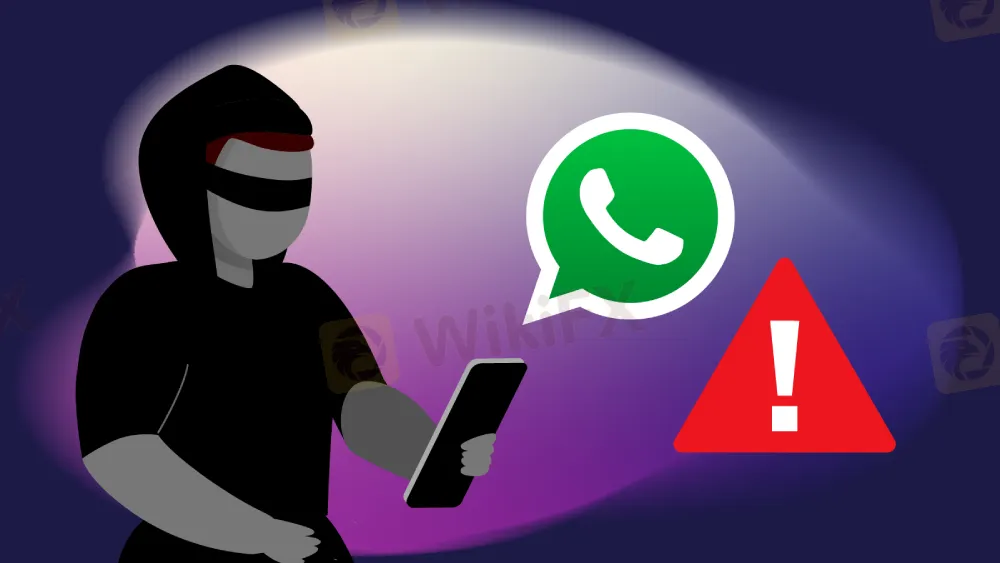
Inside these groups, participants are bombarded with messages from fake financial analysts or executives. Many of these identities are stolen or entirely fabricated. Members are sometimes urged to take part in fake lotteries that harvest personal information, buy specific U.S. stocks as part of price manipulation schemes, or install malicious apps posing as crypto trading tools—all with the goal of extracting money or sensitive data.
The typical victim, according to the FSMA, is a Dutch-speaking man aged 50 to 69—an age group often possessing higher savings and confidence in online investing. Reported losses averaged around €73,000, with some cases reaching several hundred thousand euros. In just six months, 263 reports were filed on these WhatsApp scams, and roughly 60% of victims had already transferred funds before seeking help.
Other Scams Add to the Toll
Beyond crypto and messaging-app schemes, the FSMA also logged significant losses from fake credit offers, fraudulent portfolio management services, and “recovery room” scams—where con artists promise to recover previous losses for a fee. Recovery scams alone cost consumers nearly €860,000, while deceptive alternative investment schemes contributed another €700,000 in damage.
Fraud Reports Keep Rising
Across 2025, the FSMA recorded a total of 2,911 reports of unlawful financial activity—an 11% increase from 2024 and a continuation of a trend that has grown nearly 20% per year since 2017. Monthly data shows sharp spikes in autumn, with October marking the peak of reported offenses. The regulator linked these surges to coordinated advertising pushes and periods of market instability that often leave investors more vulnerable to risky offers.
Crackdown and Consumer Warnings
In response, Belgian authorities issued warnings against 240 fraudulent entities and 316 websites throughout 2025, more than 65% of which were tied to fake trading platforms. The FSMA urged consumers to remain skeptical of unsolicited investment proposals, particularly those spread through social media or private messaging apps.
The regulator also stressed the importance of verifying whether a firm is authorized before transferring any funds and pledged to keep working with international partners to track and dismantle cross-border fraud operations that continue to evolve across digital platforms.

Read more

RM91,000 Gone: Fake Telegram Investment Traps Kuching Woman
A Kuching woman lost RM91,000 after being lured into a fake investment scheme advertised on Telegram, where scammers promised high returns but disappeared after receiving multiple bank transfers. Police are investigating the case under Section 420 for cheating and have warned the public to stay alert to online investment scams.
HTFX Under Scrutiny: CySEC License Pulled, WikiFX Flags Scam Risks
Growing warnings surround HTFX after losing its European licenses and being flagged by WikiFX as a Ponzi-style platform, with repeated reports of withdrawal problems.
NaFa Markets User Reputation: A Deep Look into Complaints and Scam Claims
Let's answer the important question right away: Is NaFa Markets safe or a scam? After carefully studying all available evidence, NaFa Markets shows all the typical signs of a fake financial company. We strongly recommend not putting any money with this company. You should avoid it completely. Read on for more revelation about the broker.

Core Prime Exposure: Traders Report Illegitimate Account Blocks & Manipulated Trade Executions
Was your Core Prime forex trading account disabled after generating profits through a scalping EA on its trading platform? Have you witnessed losses due to manipulated trades by the broker? Does the broker’s customer support team fail to clear your pending withdrawal queries? Traders label the forex broker as an expert in deceiving its clients. In this Core Prime review article, we have investigated some complaints against the Saint Lucia-based forex broker. Read on!
WikiFX Broker
Latest News
Binomo Review: Is This Broker Safe or a High-Risk Trap?
WikiFXSouth African Rand on Edge Ahead of Divisive Reserve Bank Meeting
WikiFXCopper Supply Alarm: AI and Green Tech Boom Threatens Global Shortage
WikiFXThinkMarkets Review 2026: Comprehensive Safety Assessment
WikiFXBitget Review: A Regulatory Ghost Running a Phishing Playground
WikiFXYen Surges on Talk of Joint US-Japan Intervention; PM Takaichi Gambles on Snap Election
WikiFXTransatlantic Fracture: European Capital Flight Emerges as Key Risk to Wall Street
WikiFXJapanese Premier Vows Action on Speculative Yen Moves Amid Policy Jitters
WikiFXGold Elephant Review: Safety, Regulation & Forex Trading Details
WikiFXWeltrade Review 2025: Is This Forex Broker Safe?
WikiFXRate Calc
