One Lot Size Mistake Can Cost You Thousands—Here's Where the 1% Rule Helps

Abstract:Switched from one trading strategy to another but could not avert heavy losses? Wondering what went wrong despite your market analysis being spot on? It may not be a strategic issue then. It may just be that you chose the wrong lot size. Yes, a single oversized position can get your account exposed to far greater risks than you may imagine. You may be moved by the impressive profits with increasing lot sizes. But by doing so, you also invite a proportionate rise in losses. This is where you need to apply the essential 1% risk management principle. This rule helps you assess how much you can afford to lose if a trade does not go as planned.
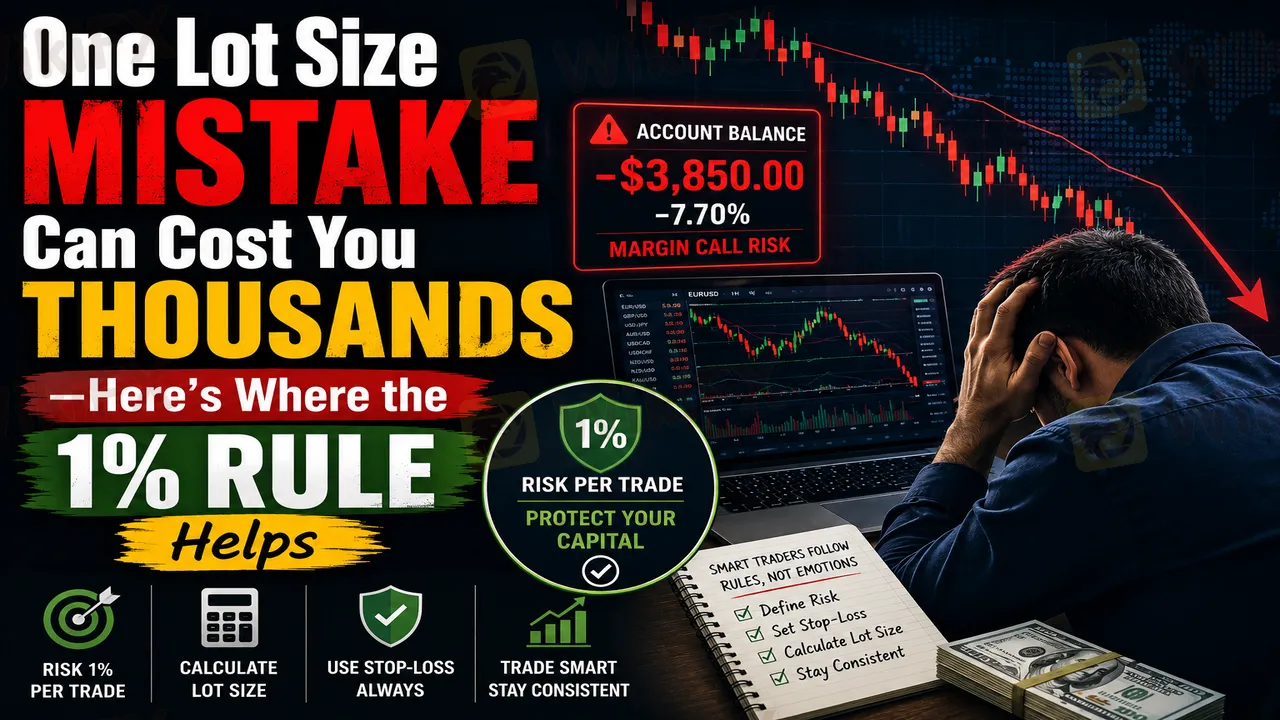
Switched from one trading strategy to another but could not avert heavy losses? Wondering what went wrong despite your market analysis being spot on? It may not be a strategic issue then. It may just be that you chose the wrong lot size. Yes, a single oversized position can get your account exposed to far greater risks than you may imagine. You may be moved by the impressive profits with increasing lot sizes. But by doing so, you also invite a proportionate rise in losses. This is where you need to apply the essential 1% risk management principle. This rule helps you assess how much you can afford to lose if a trade does not go as planned.
Why is Lot Size More Important Than Beginners May Think?
Lot size represents your trade volume. Talking about the forex market, traders usually have standard, mini, micro or nano lot options to choose from based on their account size and risk tolerance. A larger lot size represents a greater financial impact with each price movement. For example, two traders, after identifying the same trading opportunity, enter the market with the same price and identical take-profit and stop-loss levels. However, the difference remains that one trader uses a lot size five times larger than the other individual. If the trade moves against their positions, the one with a larger lot will likely experience a considerably greater loss despite both making the same price speculation. This only tells that successful trading does not depend on spotting profitable setups alone. What also matters equally is how you position your trade lot size to ensure your continuous success in the market.
What Does the 1% Rule Actually Mean?
The 1% rule represents a simple guideline experienced traders follow. It recommends risking a maximum of 1% of your trading capital on a single trade.
For instance, if your trading account balance is $5,000, you can risk a maximum loss of $50 on any individual trade. If your stop-loss indicates that a larger position would require you to risk $150, you should cut your lot size until the potential loss is kept within your predetermined risk limit.
This approach lets traders survive losing trade spells without facing severe damage to their trading accounts. As a trader, you will accept that whatever trading strategy you apply, you will not win every time. So, you should look to limit losses to remain active for a long time in an opportunity-rich trading market.
The Impact of 1% Rule on Your Lot Size
Several new traders commit the mistake of ascertaining their lot size first and only later thinking about risk. However, professional traders assess risk first before executing position sizing to match their needs with the ongoing market conditions. So, what do these traders do right? They follow this sequence:
- Ascertain your trading account balance.
- Decide the percentage of capital (preferably not more than 1%) you are ready to risk.
- Decide your stop-loss based on your trading strategy.
- Calculate the appropriate lot size that ensures your potential loss remains within your risk limit.
Following this method helps ensure a consistent risk framework for every trade rather than being driven by emotions or recent trading performances.
How Can Oversized Positions Bring You Unpleasant Surprises?
A series of winning trades may tempt you to increase lot sizes. However, the decision to raise your lot size should come with confidence, not overconfidence. At the same time, some traders, with a view to recovering their past losses quickly, tend to increase their lot size, which gives rise to revenge trading. The result of all this can be:
- Frequent account drawdowns
- Massive emotional stress
- Poor decision-making when markets turn volatile
- Increased possibilities of margin calls or automatic position liquidation
- Problems following a disciplined trading strategy
Any trading strategy is bound to fail in a volatile market, aided by unexpected news around the economy, geopolitics or other aspects. Appropriate position sizing helps ensure a minimal impact of these unfavorable events on your trade.
Combining Both 1% Rule and Stop-loss Orders in Your Trade
The 1% rule suits perfectly when traders combine it with a correctly defined stop-loss order, which indicates the maximum price movement you are likely to accept before exiting a trade. Rather than keeping the stop-loss farther away to avoid taking a loss, traders can make adjustments to their lot size. This will help ensure the intended stop-loss still keeps the overall risk to around 1% of their account. Following this strategy successfully lays a trading approach that determines position size and exit strategy before entering the market.
Takeaway - Building Long-Term Consistency
Successful Forex trading is rarely about making the largest profit from a single trade. It is about protecting capital while allowing profitable opportunities to accumulate over time.
The 1% rule does not guarantee profits, nor does it eliminate losses. Markets remain unpredictable, and every trade carries risk. However, by consistently matching your lot size to your account balance and predetermined risk level, you reduce the likelihood that one losing trade will cause significant damage to your trading capital.
Before increasing your position size, ask yourself a simple question: If this trade reaches my stop-loss, am I comfortable losing this amount? If the answer is no, your lot size is probably too large.
In the long run, disciplined risk management often proves more valuable than finding the “perfect” trading strategy. The traders who remain in the market for years are usually those who focus first on preserving capital—and the 1% rule provides a practical framework for doing exactly that.
Download the WikiFX App for more such insightful trading concepts.

Interesting Articles for You
Review 2026: I’m Unable to Receive My Profits. We Investigated This Common User Allegation.

Read more
Warren Bowie & Smith Review 2026: 1.23 Score Raises Red Flags as Withdrawal Complaints Grow
Was your trading experience with Warren Bowie & Smith, a Mauritius-based brokerage entity, not so fruitful? Did the broker tempt you into trading by giving you assurances of profits that never appeared on the Warren Bowie & Smith login dashboard? Did you struggle to withdraw profits from the trading platform? Upon your withdrawal request, did the broker official make you invest further? This Warren Bowie & Smith review examines serious trading allegations against the broker. Additionally, we have provided the broker’s regulatory status.

OANDA Review 2026 for India
OANDA review for India covering global regulation, RBI forex rules, OANDA login security, platforms and regulatory history.
TPFx Review 2026: An A+++ Result and an Impersonation Warning - What to Check Before Funding
This TPFx review examines PT Trijaya Pratama Futures, Broker Code 4461810512, its Bappebti record, the Q1 2026 A+++ assessment, look-alike website warning, product costs, withdrawals and complaint route for traders researching an Indonesia forex broker.
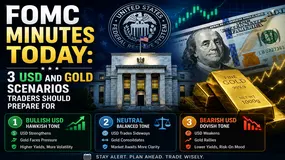
FOMC Minutes Today: 3 USD and Gold Scenarios Traders Should Prepare For
The Fed releases the July FOMC minutes on 19 August 2026. Here are three USD and gold scenarios, confirmation signals, and a practical risk checklist for traders.
WikiFX Broker
Latest News
KATOPRIME Review: Regulation Gaps and Broker Risks Traders Cannot Ignore
WikiFXPocket Option Review 2026: Complaints, Withdrawals, and Unregulated Risk
WikiFXSpec Capital Group Secures ASIC Licence for Wholesale CFD Services
WikiFXU.S. Rates and Tariffs Shape Macro Risk Sentiment
WikiFXMiri man loses RM511,406 to fake online investment scheme
WikiFXSri Lanka to Criminalize Unauthorized Forex Transfers
WikiFXInteractive Brokers Changes Overnight Order Default in TWS
WikiFXDFSA warns of scam cloning authorised firm Menhir Capital
WikiFXA Losing Streak Hijacks Your Judgement. Here's a 4-Step Reset
WikiFXTrump bemoans Fed interest rate policy, says U.S. should be paying much less
WikiFXRate Calc

