WIKIFX REPORT: T4TRADE IS HELPING PEOPLE UNLOCK SKILLS AND TRADE THE FUN WAY
Abstract:T4Trade is a multi-asset Forex broker that is becoming known for its fast execution, low spreads, and security of funds. They utilize world class platforms like WebTrader and MetaTrader4 and give their clients the ability to enter the markets with superb trading conditions.
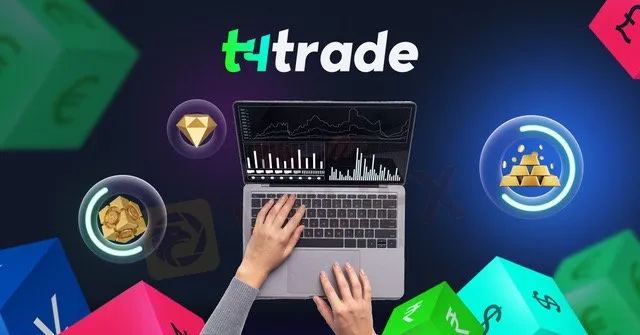
T4Trade is a multi-asset Forex broker that is becoming known for its fast execution, low spreads, and security of funds. They utilize world class platforms like WebTrader and MetaTrader4 and give their clients the ability to enter the markets with superb trading conditions. Along with Forex trading, T4Trade gives clients the ability to trade products such as stock, indices, commodities, precious metals, and cryptocurrencies.
The broker uniquely gives clients the option to choose from Standard, Premium, Privilege and Cent accounts to give them the most out of their trading experience and to accommodate all levels of experience among traders. Privilege accounts are designed for skilled traders, Standard and Premium accounts are ideal for beginner or moderate clients, and Cent accounts help traders develop their skills over low financial risk.
In a recent interview, the company related that in the next few years they hope to become, “established in the fintech industry as a reliable, safe and innovative broker that provides outstanding product and customer experience.”
With the recent boom of individuals looking to become traders in all different markets, companies have been able to offer education opportunities for new traders and those looking to hone their skills. T4Trade brings even greater value to their clients by offering a list of tools such as articles, VOD, eBooks, webinars, seminars, an economic calendar, a seasoned calendar, and daily news. With this assistance, clients can be confident that they are not only getting industry leading technology and platforms to perform trades, but also are confident in their own skills and knowledge as a trader.
It is clear that T4Trade is one of the premier brokers in the market today and they are putting their customers first. Their authorization and regulation by the Seychelles Financial Services Authority gives clients peace of mind on licensure and authenticity.

Read more

XPO Fund Wants $10,000 Before You Trade a Single Real Dollar — Read This Stunning Revelation
If you have spent even a week inside trading communities lately, you already know the pitch by heart. Pass a quick "challenge," get handed a funded account worth tens of thousands of dollars, and keep up to 80% of everything you make. No risking your own savings, no slow grind of building capital from scratch — just skill, a small fee, and a fast track to the big leagues. It is the exact dream every new trader is secretly chasing, and an entire industry has sprung up to sell it. XPO Fund is one of the louder voices selling that story right now. Its website is slick, its plans sound generous, and its marketing leans hard on words like "industry's lowest fee" and "fast payouts." But before you reach for your card, there is one number sitting quietly on this firm's profile — a number it would rather you scroll past — that every experienced trader would beg you to look at first. And no, it is not the profit split. Let's pull XPO Fund apart piece by piece: what it actually is, who is real
The 6 Best ECN Brokers for 2026: Who Really Delivers Raw Spreads and Institutional-Grade Execution
Every broker with a marketing budget now slaps the letters "ECN" on its homepage. Few of them actually deliver what those letters promise. For a serious trader — a scalper, a day trader, an algo trader, anyone whose edge lives or dies on execution quality — the gap between a true ECN broker and a market maker wearing an ECN costume can quietly cost you hundreds of pips a year in slippage, requotes, and inflated spreads. So we cut through the marketing, looked at the brokers that genuinely offer raw pricing and deep liquidity, and cross-checked every one of them on WikiFX. Here are the six ECN accounts that actually earn the label in 2026 — ranked. First, a short primer, because understanding ECN is what lets you judge these brokers properly.
FX Novus vs VCG Markets:Two Brokers, Two Very Different Kinds of Risk — Which One Is the Lesser Evil
If you have been shopping around for a forex broker and landed on FX Novus and VCG Markets, you have stumbled onto a genuinely instructive pair. On the surface they look like cousins: both are relatively young, both wave around multi-asset trading and tight spreads, and both operate from the kind of offshore corners of the world that should make any beginner slow down. But dig into the data on WikiFX and the two part ways sharply. One carries active, screaming red flags. The other is merely standing in a yellow zone. Neither is what a cautious newcomer would call "safe" — but understanding how they differ is exactly the kind of lesson that protects your money. Let's put them head to head, decode the jargon along the way, and reach an honest verdict.
Deposited at New Frontier, Then Locked Out—Funds Never Came Back - The Real Story of a Trader
There are few feelings in trading more sickening than this one: you funded your account, you walked away confident your money was safe, and when you came back to check on it, the platform calmly informed you that your login details were wrong. Not your trades — your very identity, locked out. And on the other side of that login screen sits a balance you can no longer touch and a support team that has gone silent. That is the heart of a complaint filed against New Frontier on WikiFX. One trader reported depositing 40,500 pesos, returning to log in with the exact email and password they had registered, and being told the data was "incorrect" — which, in their words, meant their earnings had simply been taken. Customer service, they said, did not react. Let's look closely at this broker, what makes its profile so unsettling, and why verification here is not optional.
WikiFX Broker
Latest News
The Hidden Risks of Margin Calls and How to Trade Trends Safely
 WikiFX
T4Trade Review 2026: Official Warnings and Withdrawal Risks
WikiFXLONG ASIA Review 2026: Withdrawal Complaints and Unverified Regulation
WikiFXTotalFX Dangles 1:1000 Leverage and a $0 Minimum Deposit - But Is Its Regulation Strong?
WikiFXPay a 17% Tax First, Then You Can Withdraw" — How Nixse Allegedly Held One Trader's €25,000 Hostage
WikiFXHow to Read Market Reversals Through Price Action and Indicators
WikiFXA Single TikTok Ad Cost Him RM100,000
WikiFXLONG ASIA Review: Broker Complaints, Regulation Gaps, and Withdrawal Alarms
WikiFXHow Proprietary Trading and Artificial Volume Move Prices
WikiFXCrude Jumps Amid Structural FX Shifts
WikiFXRate Calc

