The Interest Rate Dilemma: A Week of Reckoning for Central Banks
Abstract:This attention of investors for this week attention is fixated on the actions of central banks, particularly the Federal Reserve and the European Central Bank (ECB).
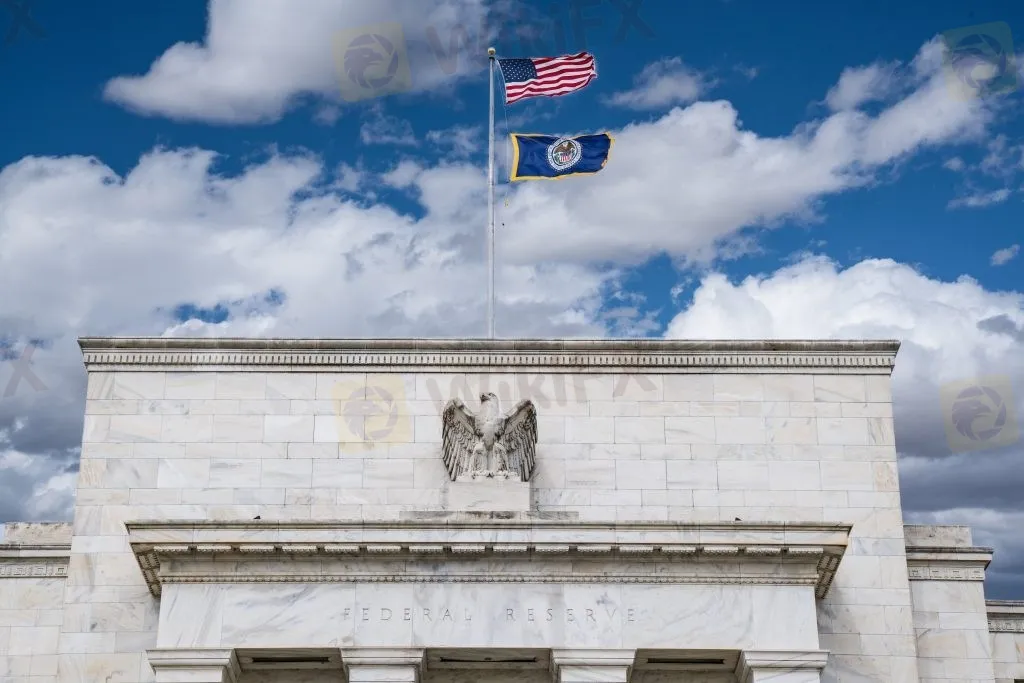
This attention of investors for this week attention is fixated on the actions of central banks, particularly the Federal Reserve and the European Central Bank (ECB). The backdrop to this anticipation has been set by the unexpected rate hikes from the Reserve Bank of Australia and the Bank of Canada, which occurred last week. These moves, contrary to the prevailing consensus, have not only sent ripples through the financial markets but also reshaped the discourse around the durability of current interest rates. The financial community is now confronting the stark realisation that the much-anticipated rate cuts may not materialise this year and possibly might not surface until well into the next year.
One of the primary hurdles confronting central banks globally is the persistent challenge of core inflation that remains resistant to control. This unyielding predicament has been aggravated by the unexpected rate increases observed last week. Consequently, there is a growing belief that the previously anticipated “pause” by the Federal Reserve in rate alterations may no longer be a certainty. As of the composition of this writing, the likelihood of a 25 bps increase stands marginally below 30%.
With the ECB seemingly on the brink of a 25 basis point rate increase this week, a move expected to be mirrored by the Swiss National Bank and the Bank of England in the following week, the Federal Reserves stance might increasingly appear as an outlier. This divergence becomes even more pronounced in light of the recent indications of Fed policymakers. Before entering their media blackout period, these policymakers hinted strongly at a potential hiatus in rate adjustments in June, coupled with the possibility of another hike in July.
Nevertheless, the landscape of global finance is constantly shifting, and recent developments have further muddied the waters. OPEC+, a group of major oil-producing countries, has announced another round of production cuts. Meanwhile, the prospect of higher agricultural commodity prices looms on the horizon, spurred by the sabotage of a Ukrainian dam, which resulted in widespread flooding of farmland.
Inflationary pressures remain a pervasive challenge, with inflation rates stubbornly exceeding the target rate for all central banks. This raises a critical question: in the face of these pressures, can the U.S. Federal Reserve realistically affords to hit the pause button? Or, given the deflationary pressures emanating from China, is their cautious approach actually a prudent strategy?
Economic growth is already showing signs of deceleration in China in the post-pandemic era. Europe, Germany, and the EU are confronting a technical recession, with the UK possibly on a similar trajectory. Demand for oil and gas is also slowing, adding another layer of complexity to the situation. The decisions made by central banks this week could play a pivotal role in determining their future course of action. These decisions will indicate how much further central banks are willing to push before offering any insights into when they expect to halt the cycle of rate hikes.
The trajectory of inflation, the longevity of current interest rates, and the sustainability of economic growth across the globe are all hanging in the balance and the decision which these central banks will take will most likely give direction to the markets.


Read more
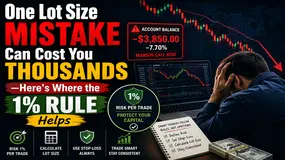
One Lot Size Mistake Can Cost You Thousands—Here's Where the 1% Rule Helps
Switched from one trading strategy to another but could not avert heavy losses? Wondering what went wrong despite your market analysis being spot on? It may not be a strategic issue then. It may just be that you chose the wrong lot size. Yes, a single oversized position can get your account exposed to far greater risks than you may imagine. You may be moved by the impressive profits with increasing lot sizes. But by doing so, you also invite a proportionate rise in losses. This is where you need to apply the essential 1% risk management principle. This rule helps you assess how much you can afford to lose if a trade does not go as planned.

Your Backtesting Results Mean Nothing If You Ignore This One Live Trading Reality
Backtesting remains one of the primary skills forex traders learn. By implementing a trading strategy based on historical currency pair price information, traders can view their past performance. The strategy leading to consistent profits during backtesting can raise confidence and lay a structured approach to the forex market. However, the path is not as simple as it may sound. Several traders tend to meet a harsh reality when transitioning to live trading. The strategy that seemed almost flawless on historical charts suddenly fails to deliver the results it did before. The sudden difference may not necessarily be because of a poor strategy. Rather, it indicates limitations concerning backtesting and several factors that play their part in a live market where conditions change frequently. It is thus important to understand these differences so that you can set realistic expectations and work on to achieve consistent success.

Can AI Really Improve Forex Trading? The Benefits, Risks and Hidden Limitations
We are living in the age of artificial intelligence, where everything including financial matters such as forex are rapidly influenced by this phenomenon. AI-powered tools are here to identify numerous trading opportunities and analyze thousands of data, all in seconds, becoming the preferred option for both retail and institutional traders. Regardless of its immense benefits, traders often question - Whether the AI can truly transform their forex trading experience or is it just like another technology offering scope for unrealistic expectations? While the AI can ensure faster trading and more informed decisions, it is never a sure shot way to profits. As a trader, you need to understand both the strengths and limitations of AI when it comes to generating real wealth.

Copy Trading Gone Wrong? The Mistakes That Could Wipe Out Your Entire Trading Account
We all love trading geniuses and their strategies that earn them profits season after season. And we also love following them to make our investment journey seamless. Copy trading is one such tactic that beginners employ to enter the forex market. What do most of them usually do? They pick an experienced investor from the list and let the platform replicate every trade automatically. The fact that experienced traders continually earn profits, the feeling of copying their trades remains intense. However, the uncertain forex landscape can bite you hard by simply copying trades and not focusing on technical analysis and the charts during the day. Beginners can have a set of preconceived notions that can potentially open the gate for losses. In this article, we have highlighted such mistakes traders should avoid.
WikiFX Broker
Latest News
Yen Surges on Pension Plan and Strong Inflation
 WikiFX
France’s AMF Warns Against 16 Unauthorized Online Investment Entities
WikiFXCan Meta Escape a US$610 Million WhatsApp Scam Lawsuit?
WikiFXHow the 3-Bullet Card Stops Forex Overtrading
WikiFXTRADE.COM Review 2026: Regulatory Status and Severe Withdrawal Complaints
WikiFXBank Customers Win Back RM211,000 After Insider Fraud
WikiFXFunding Pips Review 2026: Is This Forex Broker Safe?
WikiFXCash, Luxury and Live Streams: Malaysian Police Tighten Watch on Social Media Millionaires
WikiFX⚽💱 World Cup · Forex Predict & Win Event
WikiFXWikiEXPO Hong Kong 2026 Set to Open, Bringing Together Global Fintech Leaders to Explore the Future
WikiFXRate Calc

