Emerging Markets: Türkiye Eyes $5B Trade Deal as Nigeria Secures Power Sector Funding

Abstract:President Erdogan targets a $5 billion trade volume with Nigeria to bolster economic ties, while Abuja secures strong investor backing for power sector reforms despite persistent grid stability challenges.
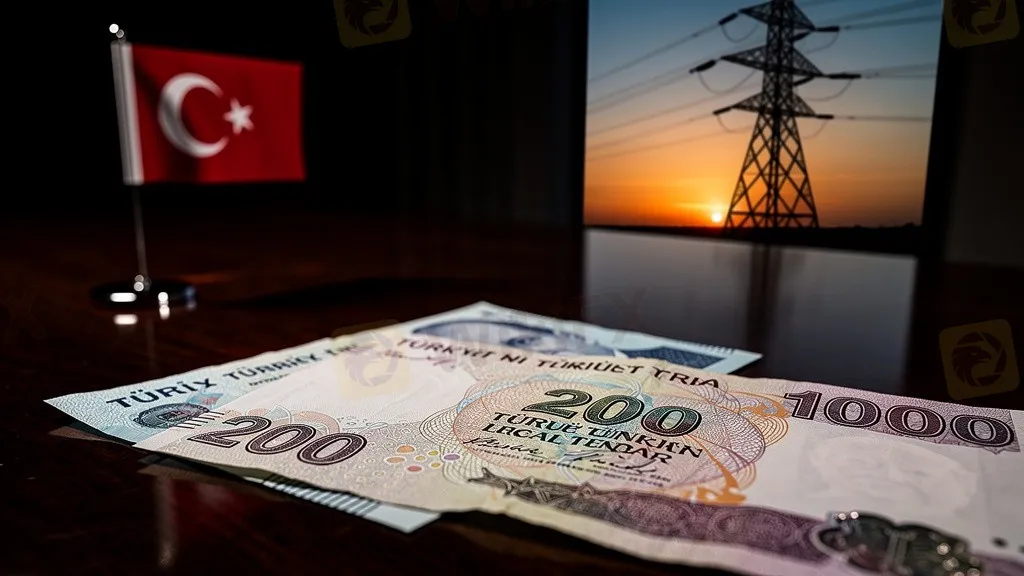
Bilateral economic ties between Türkiye and Nigeria are set for a significant expansion following high-level talks, while Nigeria's domestic debt market signals growing investor confidence in the energy sector despite ongoing infrastructure hurdles.
Erdogan Targets $5 Billion Trade Volume
President Recep Tayyip Erdogan outlined an ambitious roadmap to increase trade volume between Türkiye and Nigeria to $5 billion. Speaking during President Bola Tinubu‘s visit, the Turkish leader emphasized the strategic importance of deepening commercial relations with Africa’s largest economy.
This move is viewed by analysts as part of Türkiyes broader strategy to diversify its export markets and stabilize the Turkish Lira (TRY) through strengthened geopolitical partnerships. For Nigeria, expanding non-oil trade partnerships remains a critical component of its economic recovery plan.
Investor Confidence in Power Sector Reforms
Domestically, Nigeria's Federal Government recorded a 100% subscription rate for its inaugural N501 billion power sector bond. Issued under the PPSDRP, the full subscription signals robust institutional appetite for Nigerian sovereign debt.
- Target Trade Volume: $5 billion
- Power Sector Bond: N501 billion (100% subscription)
- Key Currencies: TRY, NGN
Infrastructure Challenges Persist
The Nigerian Independent System Operator (NISO) confirmed that a recent national grid collapse was triggered by a voltage disturbance at the Gombe transmission substation. While the bond provides liquidity, the disconnect underscores headwinds facing the Nigerian Naira (NGN).
WikiFX Broker
Latest News
MultiBank Group Review: A Regulatory Titan or a Master of Liquidation?
WikiFXXSpot Wealth Exposure: Traders Report Withdrawal Denials & Constant Deposit Pressure
WikiFXIs Fortune Prime Global Legit Broker? Answering concerns: Is this fake or trustworthy broker?
WikiFXAssetsFX Regulation: A Complete Guide to Licenses and Trading Risks
WikiFXZaraVista Legitimacy Check: Addressing Fears: Is This a Fake Broker or a Legitimate Trading Partner?
WikiFXPinnacle Pips Forex Fraud Exposed
WikiFXZarVista User Reputation: Looking at Real User Reviews to Check if It's Trustworthy
WikiFXGrand Capital Review 2026: Is this Broker Safe?
WikiFXTP Trader Academy ‘The Axis Event’: Pioneering Trading Education at the Heart of Tech and Data
WikiFXS. Africa Energy Gridlock: Glencore Proposal Stalls Amid Regulatory Clash
WikiFXRate Calc
