Middle East Tensions: Aircraft Carriers vs. Diplomacy

Abstract:Tensions in the Middle East are escalating as satellite imagery confirms a US military buildup near Iran, despite diplomatic overtures. Oil markets and safe-haven currencies remain on edge as traders assess the risk of direct conflict.
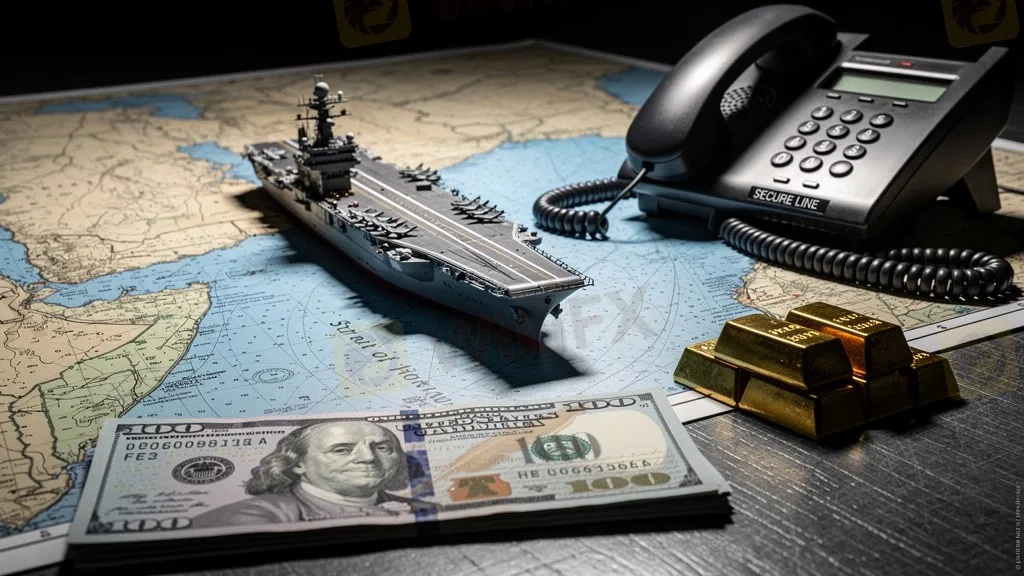
Geopolitical risk premiums are creeping back into global markets as the standoff between the US and Iran intensifies. While President Trump has publicly expressed a desire for dialogue, military maneuvers suggest a preparation for potential escalation.
Satellite Evidence of Buildup
Exclusive satellite imagery analyzed by defense experts reveals a significant surge in US military assets in the region over the last week:
- Air Power: Increased deployment of KC-135 stratotankers and F-15E Strike Eagles to bases in Qatar and Jordan.
- Naval Power: The USS Abraham Lincoln carrier strike group has arrived in the US Central Command arena, bringing immense firepower.
- Defensive Shields: New Patriot missile batteries have been identified in Kuwait and Qatar, signaling preparation for potential Iranian ballistic missile retaliation.
The “Carrot and Stick” Strategy
The Trump administration appears to be employing a “maximum pressure” strategy combined with an off-ramp. While the military signals are loud, the White House has reportedly engaged in back-channel talks. However, Tehran has rejected what it calls “imposed negotiations,” insisting on the lifting of economic sanctions as a prerequisite.
Market Implications
- Crude Oil: Prices remain supported by the fear of supply disruption in the Strait of Hormuz, though the US-Russia “cold snap truce” in Ukraine has provided some temporary relief to global energy sentiment.
- Swiss Franc (CHF) & JPY: If rhetoric shifts to kinetic action, expect capital to flee rapidly into traditional safe havens, potentially unwinding recent carry trades.
- Gold: While currently suffering from a liquidity shock (see Article 2), any outbreak of actual hostilities would likely renew physical demand for the yellow metal.
WikiFX Broker
Latest News
Precious Metals Capitulation: Gold Plunges 12% to Break $5,000 Support
WikiFXSARB Pauses Rate Cycle at 6.75% Amid Lingering Uncertainty
WikiFXEZINVEST Review: The Financial Abattoir Behind the CySEC Mask
WikiFXCentral Bank 'Super Week': ECB, BoE, and RBA to Test FX Volatility
WikiFXEurozone Resilience: Economy Defies Gloom as Germany Rebounds
WikiFXOil Markets Tighten: OPEC+ leans towards extending output pause into March
WikiFXLured by a deepfake video, retiree lost over $4,000 in an investment scheme
WikiFXGeopolitical Risk: Iran Accuses West of Inciting Domestic Unrest
WikiFXWall Street Giants Pivot: The "Reflation Trade" Returns
WikiFXMiddle East Tensions: Aircraft Carriers vs. Diplomacy
WikiFXRate Calc
