ECB and BoE Set to Hold Rates Amid Inflation Jitters

Abstract:The ECB and Bank of England are expected to maintain current interest rates this week as they navigate the conflicting pressures of sticky services inflation and a potential trade war.
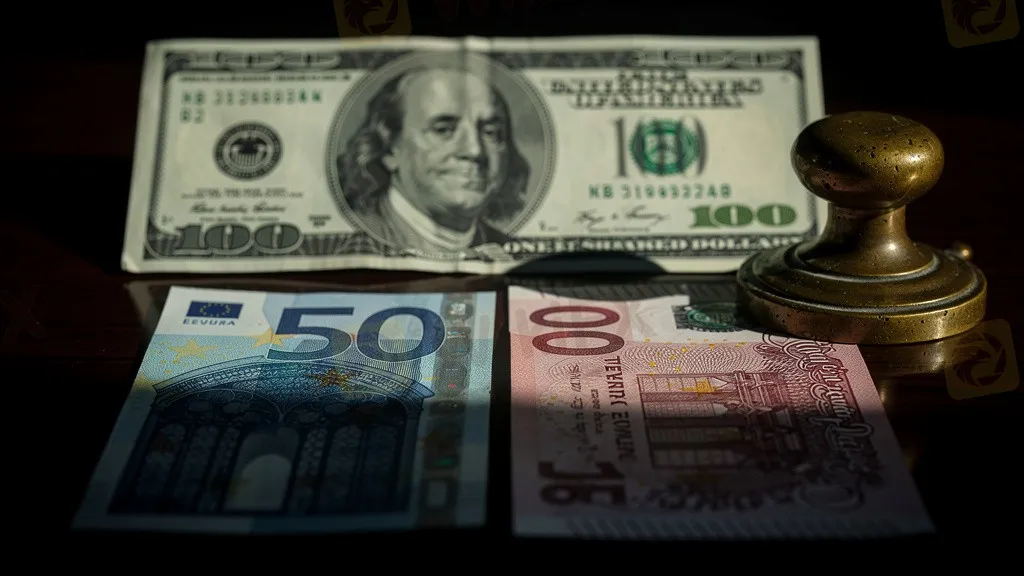
Central banks in Europe are expected to adopt a “wait-and-see” approach this week, with both the European Central Bank (ECB) and the Bank of England (BoE) likely to keep benchmark interest rates unchanged. Policymakers are caught between cooling headline inflation and the threat of imported inflation driven by currency volatility and trade tariffs.
Key Data Snapshot
- Timeline: Action likely delayed until the April meeting.
- Wage Forecasts: Pay settlements expected to remain robust into 2026.
- Currency Risks: Strength in US Dollar driving imported inflation fears.
The “Imported Inflation” Threat
Recent strength in the US Dollar and global trade shifts have raised concerns about imported inflation. ECB officials are closely monitoring the exchange rate; a weaker Euro could exacerbate price pressures by making energy and import costs higher. French Central Bank Governor Francois Villeroy de Galhau explicitly stated that FX movements are now a “guiding factor” for policy.
Conversely, cheaper goods dumping from exporters trying to front-run US tariffs is complicating the picture, potentially creating deflationary pressure in goods while services inflation remains sticky.
BoE's Wage Dilemma
In the UK, the Monetary Policy Committee (MPC) remains divided. While the consensus leans toward a hold, the forward guidance regarding wage growth is critical. With pay settlements expected to remain robust into 2026, the BoE is wary of cutting rates too early and entrenching a wage-price spiral.
Analysts at Oxford Economics suggest that while further cuts are necessary, the April meeting represents a more likely window for action than this week.
Focus for Traders
Technicals
- EUR/USD: Watch for President Lagarde's comments on the exchange rate. Any verbal intervention against Euro weakness (or dollar strength) could trigger volatility.
- GBP/USD: The vote split within the MPC will be key. A higher number of dissenters voting for a cut could weigh on Sterling.
WikiFX Broker
Latest News
ECB and BoE Set to Hold Rates Amid Inflation Jitters
WikiFXGold Reclaims $4,800 After Historic Rout; Volatility Persists
WikiFXBinary.com Review — Missing Trades & Reporting Issues Investigated
WikiFXOpoFinance Withdrawal Issues: Traders Warn Others
WikiFXMacro Strategy: Hard Assets Favored Over Consumption in Inflationary Environments
WikiFXCentral Bank 'Super Week': ECB, BoE, and RBA to Test FX Volatility
WikiFXPrecious Metals Capitulation: Gold Plunges 12% to Break $5,000 Support
WikiFXEZINVEST Review: The Financial Abattoir Behind the CySEC Mask
WikiFXSARB Pauses Rate Cycle at 6.75% Amid Lingering Uncertainty
WikiFXEurozone Resilience: Economy Defies Gloom as Germany Rebounds
WikiFXRate Calc

