ZERO MARKETS Review: Scam Warning & $116K Withdrawal Blocked
Abstract:Is ZERO MARKETS a scam? Read our investigative review on ZERO MARKETS regulation, the $116,111 withdrawal scandal, and why investors should be on high alert. Avoid the risk today.
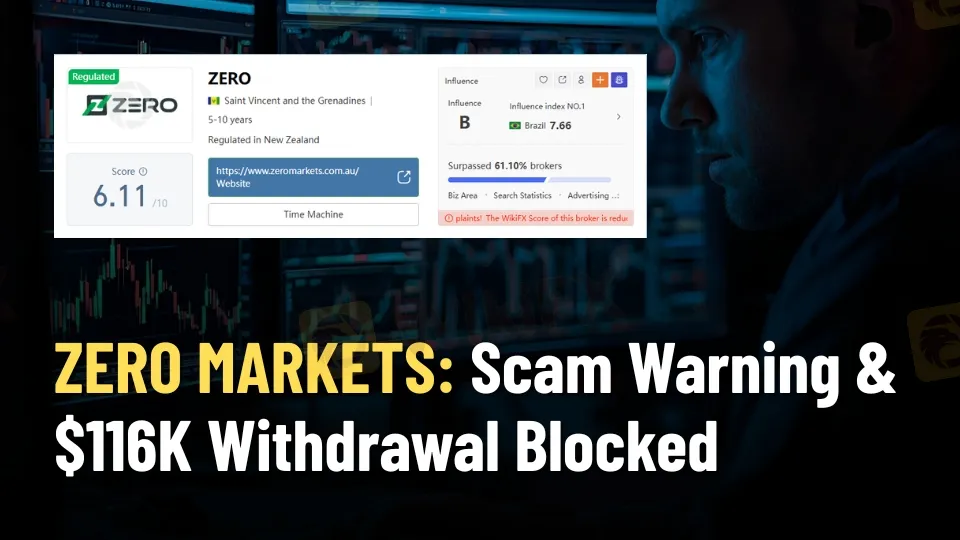
ZERO MARKETS, once positioned as a competitive player in the forex space, is currently facing a wave of severe allegations. This ZERO MARKETS review highlights how the broker has been flagged for a surge in user complaints, most notably a massive $116,111 withdrawal blockage in late 2025. Despite claims of being a top-tier ZERO MARKETS broker, the lack of clear ZERO MARKETS regulation for its offshore clients and issues with the ZERO MARKETS login portal have left traders in a vulnerable position. This investigative report delves into why ZERO MARKETS is now a high-risk entity.
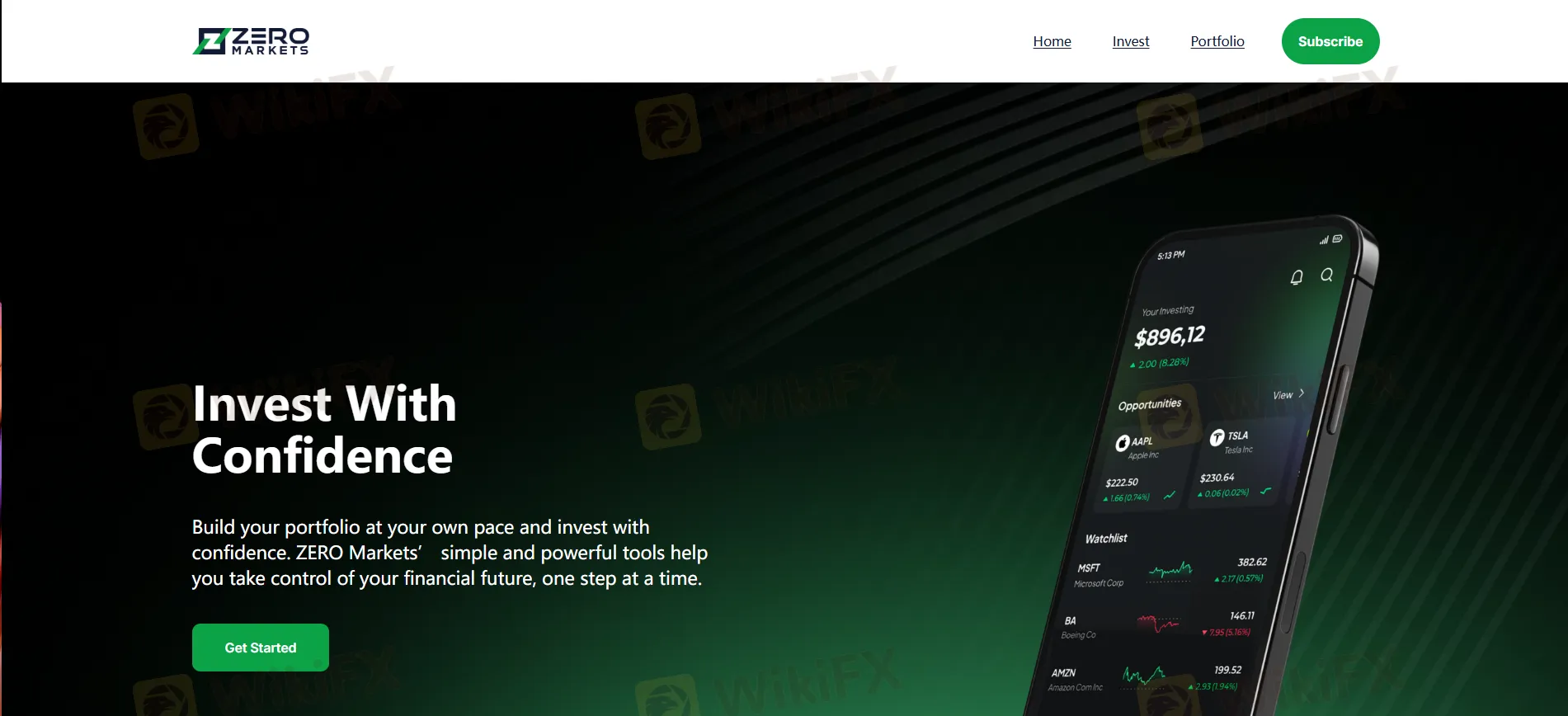
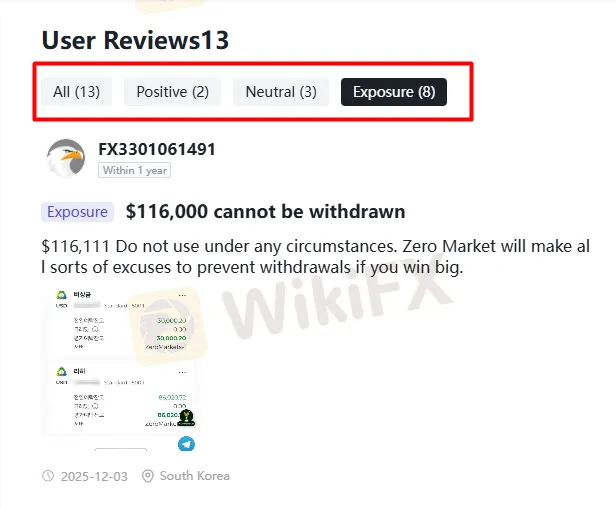
Lead Complaint Detail: The $116,111 South Korean Scandal
The most alarming evidence against ZERO MARKETS surfaced in December 2025, when a South Korean investor reported the total freezing of their account containing $116,111. Despite meeting all trading requirements, the client was met with “technical excuses” and eventual silence from the support team. This is not an isolated incident; it represents a growing pattern of ZERO MARKETS withdrawal problems where large profits are systematically withheld under the guise of “compliance reviews” or “internal audits.”
Internal Systemic Issues: Signs of Structural Collapse
While ZERO MARKETS maintains a polished front-end, reports from internal circles and IB (Introducing Broker) networks suggest deeper rot. Several IBs have reported withheld commissions, a classic precursor to a brokers insolvency or rebranding. When a broker stops paying its partners and support staff, the “liquidity” they claim to provide often becomes a phantom, leaving retail traders as the final victims in a collapsing house of cards.
Addressing Anonymity and Source Credibility
WikiFX has verified multiple independent reports from different regions—including Colombia, Mexico, and South Korea—that all point to the same conclusion. While individual traders often remain anonymous to avoid further retaliation from the broker, the sheer volume of documented ZERO MARKETS reviews with negative sentiment provides a statistically significant warning. The consistency in these “exposure” cases confirms that these are not random errors but a systemic operational failure.
Click here to check out for more exposure cases reported.
Broker‘s Justification & Critique of ZERO MARKETS Regulation
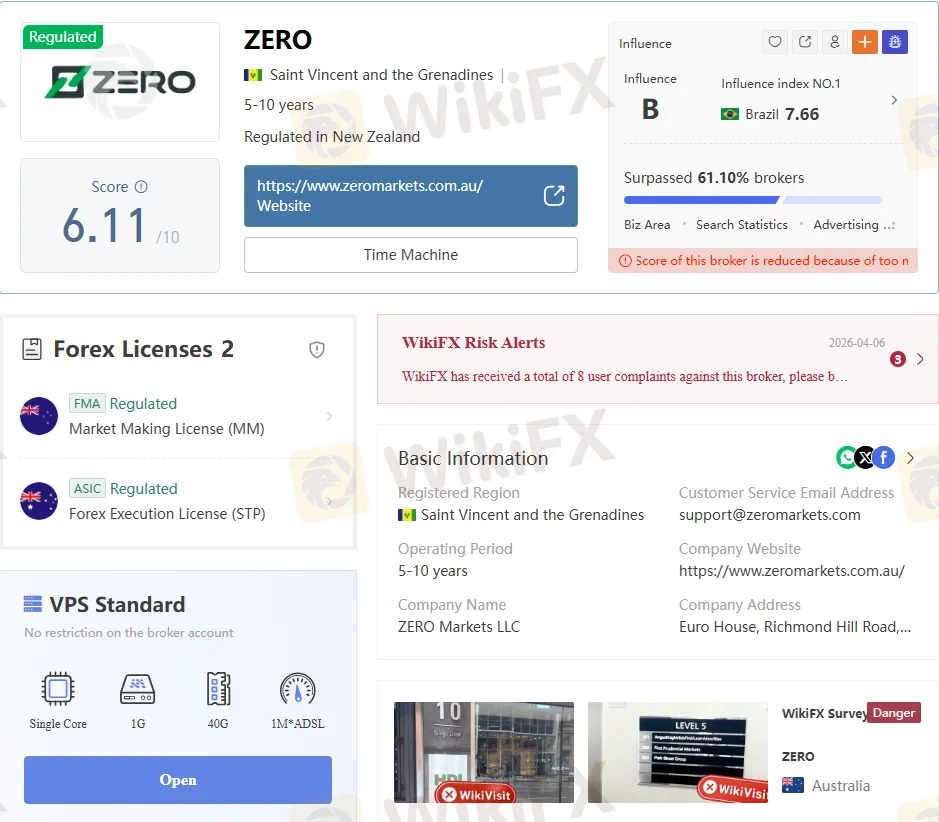
In response to growing pressure, ZERO MARKETS often cites “regulatory compliance” or “suspicious trading activity” as reasons for blocking funds. However, a critical analysis reveals these justifications are insufficient. If a broker is truly regulated by ASIC or FMA, they are required to provide transparent, documented evidence for such actions. ZERO MARKETS’ failure to provide this evidence to the affected parties—and instead resorting to blocking communication—is a hallmark of unethical conduct.
External Impact: Consequences for Partners and Clients
The fallout from ZERO MARKETS Forex failures extends beyond individual traders. External partners and IBs who once trusted the brand are now facing reputational damage. Clients who used the ZERO MARKETS login expecting professional service have instead found their capital trapped in a jurisdiction (St. Vincent and the Grenadines) where legal recourse is nearly impossible for retail investors.
Pattern Recognition: The “Deception to Rebranding” Cycle
We have identified a clear pattern in ZERO MARKETS operations:
- Initial Phase: Aggressive marketing and high leverage (1:500) to attract capital.
- Deception: Utilizing “Regulated” status (ASIC/FMA) to build false trust.
- Failure: Systematic blocking of large withdrawals and withholding IB commissions.
- Rebranding: Potential shifts toward offshore entities (Mauritius/SVG) to evade regulatory scrutiny.
Regulatory Discrepancy: The “Cloned License” Concern
A major red flag is the status of their ZERO MARKETS regulation. While they claim ASIC oversight, WikiFX research indicates that certain AR (Appointed Representative) licenses associated with their group have faced revocation or “unverified” status in recent audits. This creates a “cloned” effect where the broker uses the prestige of a top-tier regulator to cover for its unregulated offshore operations.
Ethical/Philosophical Conclusion
The integrity of the forex market relies on the sacred trust between the broker and the trader. When a broker like ZERO MARKETS prioritizes short-term capital retention over ethical payout obligations, it undermines the entire ecosystem. Integrity is not just about having a license; it is about the consistent execution of duty to the client.
Strong Warning & WikiFX Mission: AVOID ZERO MARKETS
Final Verdict: AVOID.
WikiFX issues a stark warning to all investors: ZERO MARKETS is currently classified as a high-potential risk. The combination of blocked withdrawals, regulatory anomalies, and a declining WikiFX score makes it an unsafe environment for your capital.
At WikiFX, our mission is to protect the global trading community. We will continue to monitor ZERO MARKETS and expose any further attempts to defraud investors. Before you trade, always check the


Read more
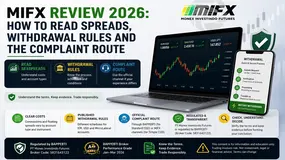
MIFX Review 2026: How to Read Spreads, Withdrawal Rules and the Complaint Route
MIFX review 2026: understand published commissions and spreads, the withdrawal process, Instant Withdrawal conditions, and the PT Monex Investindo Futures complaint route without turning community discussion into factual allegations.
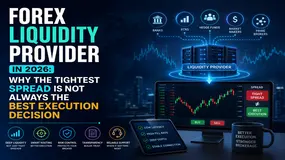
Forex Liquidity Provider in 2026: Why the Tightest Spread is Not Always the Best Execution Decision
Choosing a forex liquidity provider is not a search for the lowest displayed spread or the longest provider list. It is a broker decision about pricing integrity, depth, routing, credit, reporting, incident response, and client communication. This 2026 guide explains how a forex LP, FX liquidity provider, or liquidity provider forex arrangement fits into a broker’s execution chain; what to test before onboarding; why a “best forex liquidity provider” claim cannot replace due diligence; and how to compare cost beyond commission. Use the execution-quality scorecard, provider questions, routing scenarios, and 90-day onboarding plan to assess whether a liquidity relationship can support your actual client mix, instruments, risk model, and jurisdiction. The goal is not to make a universal ranking. It is to build evidence that your broker can explain, supervise, reconcile, and recover its execution service when market conditions are difficult.
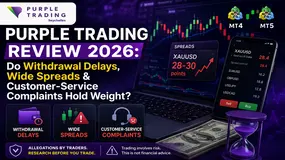
PURPLE TRADING Review: Do Withdrawal Delays, Wide Spreads & Customer-Service Complaints Hold Weight?
PURPLE TRADING, a Seychelles-based forex brokerage entity, is constantly criticized by numerous traders on review platforms such as WikiFX. While withdrawal delays or denials are reportedly a common issue here, there are also complaints about wide spreads and poor customer services. This PURPLE TRADING review examines user-reported allegations against the trading enterprise. Additionally, the article takes a close look at the broker’s regulatory status.
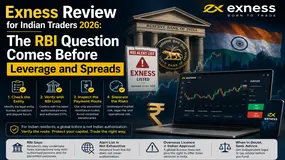
Exness Review for Indian Traders 2026: The RBI Question Comes Before Leverage and Spreads
Exness review for Indian traders in 2026. This guide explains what the RBI Alert List says, what it does not say, why a global license is not Indian authorization, and how to verify permitted forex routes before funding an account.
WikiFX Broker
Latest News
Forex Liquidity Provider in 2026: Why the Tightest Spread is Not Always the Best Execution Decision
 WikiFX
WikiLicense Officially Launches: Building a Global Financial License Verification Platform
WikiFXDollar and Asian FX Steady Before US CPI
WikiFXTRADEVIEW MARKETS Review: Broker Complaints, Regulation Warnings, and Funds Withheld Claims
WikiFXReview 2026: RoboMarkets Regulation, Platform Access, and Trader Feedback
WikiFXLuno Review: Users Report Blocked Withdrawals on an Unregulated 'Suspicious Clone'
WikiFXWinvest Review: Is Your Deposit Safe?
WikiFXKCB Review: Is Your Deposit Safe?
WikiFXOcta Review 2026: Severe Withdrawal Complaints and High Risk Signals
WikiFXWhy More Commodity Revenue Doesn't Instantly Strengthen a Currency
WikiFXRate Calc

